The discussions highlight the importance of self-talk methods, with many referencing research that supports the idea of self-distancing through pronoun use, such as 'talking in the third person helps to distance yourself from stress.' The tone is analytical and focused on practical applications, reflecting deep engagement and recognition of the article's relevance to social and emotional regulation.
AgreementModerate agreement
Most discussions support the research findings, emphasizing the benefits of different forms of self-talk.
InterestHigh interest
Participants show high curiosity about how self-talk techniques can influence stress and performance.
EngagementHigh engagement
Posts delve into scientific explanations, sharing study details and practical advice, indicating thoughtful engagement.
ImpactModerate impact
While some believe it can significantly improve emotional regulation, others see it as an interesting but not groundbreaking insight.
Abstract in brief
The studies investigated how the way people refer to themselves during introspection affects their thoughts, feelings, and behaviors in social stress situations, particularly for those who are socially anxious.
Research showed that using non-first-person pronouns or one's own name helped individuals to self-distance, leading to better performance, reduced distress, and improved regulation of emotions during stress-inducing tasks like public speaking.
The findings suggest that shifting from first-person language to non-first-person language can positively influence how people perceive and cope with social anxiety, demonstrating potential benefits even for those with high levels of social anxiety.
一人称でない内言は社会的ストレス下での思考・感情・行動を調整する能力を改善するよという2014年の研究。内言に一人称とかないけどなぁ。/ Self-talk as a regulatory mechanism: How you do it matters https://t.co/kI3fVUsH81
Aug 1, 2021 · 11 likes · 5 shares · 9,243 followersView post →
DM
Dr Paul McCarthy
@drpaulmccarthy · X
Talking about yourself in the 3rd person helps you to distance yourself from your stress Kross, E., Bruehlman-Senecal, E., Park, J., et al. 2014). Self-talk as a regulatory mechanism: How you do it matters. Journal of Personality and Social Psychology, 106( 2), 304–324
@Dagmar__Gross You have definitely been told nonsense. Research (incl. mine) consistently finds nearly everybody does internal self-talk.
“Self-talk is a ubiquitous human phenomenon. We all have an internal monologue that we engage in from time to time”. Kross et al 2014). doi: 10.1037/a0035173
Nov 1, 2022 · 2 likes · 2,239 followersView post →
PD
Psikologi Diri
@PsikologiDiri · X
Kross, E., Bruehlman-Senecal, E., Park, J., Burson, A., Dougherty, A., Shablack, H., ... & Ayduk, Ö. (2018). Self-talk as a regulatory mechanism: How you do it matters. Journal of Personality and Social Psychology, 116(5), 812–834.
Jul 19, 2025 · 1 like · 2,023 followersView post →
HT
hideyuki takahashi
@hideman2009 · X
RT @myuuko: 一人称でない内言は社会的ストレス下での思考・感情・行動を調整する能力を改善するよという2014年の研究。内言に一人称とかないけどなぁ。/ Self-talk as a regulatory mechanism: How you do it matters…
Aug 1, 2021 · 5 shares · 6,561 followersView post →
CM
Carlos Bauche Madero
@carbauche · X
Kross, E., Bruehlman-Senecal, E., Park, J., Burson, A., Dougherty, A., Shablack, H., ... & Ayduk, O. (2014). Self-talk as a regulatory mechanism: How you do it matters. Journal of personality and social psychology, 106(2), 304.
Exploring Solomon's paradox: self-distancing eliminates the self-other asymmetry in wise reasoning about close relationships in younger and older adults.
To improve social anxiety and dating, consider how self-talk influences emotions and behavior. Research shows that shifting from first-person language to self-distancing techniques can reduce distress and improve…
Self-talk is a vital tool for enhancing performance, confidence, and stress management. This video explores the science behind inner dialogue and its psychological benefits, highlighting how adjusting self-reference can…
Looking to boost your pain tolerance during runs? Incorporate positive self-talk to reduce perceived pain and increase endurance. Using your name or second-person pronouns can create a coach-like perspective, helping…
This video discusses an evidence-based technique for reducing negative thoughts and improving performance. It highlights how self-distancing, by viewing situations from an outsider's perspective, can help children…
The power of you: how second person self-talk improves emotional regulation, reduces stress, and boosts performance during challenging situations. Using non-first-person language can help you cope better and perform…
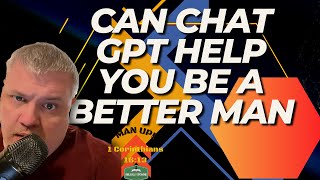
In this episode of the Man UP Podcast, I explore how AI, specifically ChatGPT, can help men navigate common challenges like self-sabotage, vulnerability, and relationship issues. We examine studies on self-talk and…
Join us in this 100th episode of Information for Life as we explore toxic relationships, attachment styles, and self-esteem issues, offering insights into recognizing and overcoming harmful relationship patterns and…
Join us in Information for Life as we explore why some find themselves in toxic relationships, examining attachment styles, self-esteem issues, and learned helplessness to find pathways to healthier connections.
Kross, E., Bruehlman-Senecal, E., Park, J., Burson, A., Dougherty, A., Shablack, H., ... & Ayduk, Ö. (2018). Self-talk as a regulatory mechanism: How you do it matters. Journal of Personality and Social Psychology, 116(5), 812–834.
Jul 19, 2025 · 1 like · 2,023 followersView post →
@Dagmar__Gross You have definitely been told nonsense. Research (incl. mine) consistently finds nearly everybody does internal self-talk.
“Self-talk is a ubiquitous human phenomenon. We all have an internal monologue that we engage in from time to time”. Kross et al 2014). doi: 10.1037/a0035173
Nov 1, 2022 · 2 likes · 2,239 followersView post →
SB
Samuele Bolotta
@SamBolotta · X
Modern scientific research supports this idea:
https://t.co/noZFO8GOa3
RT @myuuko: 一人称でない内言は社会的ストレス下での思考・感情・行動を調整する能力を改善するよという2014年の研究。内言に一人称とかないけどなぁ。/ Self-talk as a regulatory mechanism: How you do it matters…
Aug 1, 2021 · 5 shares · 6,561 followersView post →
YM
Yuuko Morimoto
@myuuko · X
一人称でない内言は社会的ストレス下での思考・感情・行動を調整する能力を改善するよという2014年の研究。内言に一人称とかないけどなぁ。/ Self-talk as a regulatory mechanism: How you do it matters https://t.co/kI3fVUsH81
Aug 1, 2021 · 11 likes · 5 shares · 9,243 followersView post →
AF
Alvin Calderon, MD, PhD, FACP
@alvinseattle · X
When psyching yourself up for a presentation, do you coach yourself in the 1st person (I or me) or 2nd/3ed person (you, he/she/they, or own name)? You'll perform better and brood/ruminate less afterwards! Read the research article here: /# https://t.co/hSFaz96vMT https://t.co/nV0OZuVv3M
Kross, E., Bruehlman-Senecal, E., Park, J., Burson, A., Dougherty, A., Shablack, H., ... & Ayduk, O. (2014). Self-talk as a regulatory mechanism: How you do it matters. Journal of personality and social psychology, 106(2), 304.
Talking about yourself in the 3rd person helps you to distance yourself from your stress Kross, E., Bruehlman-Senecal, E., Park, J., et al. 2014). Self-talk as a regulatory mechanism: How you do it matters. Journal of Personality and Social Psychology, 106( 2), 304–324