Nick Byrd, Ph.D.
@byrdnick.com · Bluesky
"Treatment of phantom limb pain (PLP) based on augmented reality and gaming" (#philosophy #philmind #cogsci #psych) http://buff.ly/1epRbrI
Feb 27, 2014
View post →
Mentions
Extended reach
Total likes
Video views
AI synopsis
Discussions emphasize the promising nature of augmented reality combined with gaming, with posts mentioning phrases like 'game changer' and 'innovative approach,' which reflect enthusiasm and recognition of potential clinical impact. The tone combines curiosity, support, and recognition of the significance of the technology, illustrating a receptive attitude towards this novel treatment method.
Most discussions acknowledge the innovative potential of using AR and gaming to treat phantom limb pain, showing general support for the approach.
The topics generate high curiosity, with many posts highlighting how this technology could revolutionize pain management for resistant cases.
Posts include references to the case study details, such as the virtual limb control and pain reduction, indicating active discussion and consideration.
Participants see this research as having a meaningful influence on future treatment methods, suggesting a promising shift in therapy options.
"Treatment of phantom limb pain (PLP) based on augmented reality and gaming" (#philosophy #philmind #cogsci #psych) http://buff.ly/1epRbrI

This case study explores using augmented reality and gaming controlled by myoelectric pattern recognition to treat a chronic phantom limb pain patient, resulting in significant pain reduction and improved limb…
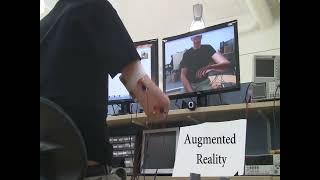
This case study explores using augmented reality and gaming controlled by myoelectric pattern recognition to treat chronic phantom limb pain, helping patients reduce pain and achieve a more natural phantom posture…

Neuromotus aims to reduce phantom limb pain in amputees by integrating virtual environments controlled by muscle signals from the stump. The innovative approach has shown promising results, offering an alternative for…
"Treatment of phantom limb pain (PLP) based on augmented reality and gaming" (#philosophy #philmind #cogsci #psych) http://buff.ly/1epRbrI