 CP
CPCGA PRODIGY
@CgaProdigy · X
@lazahxo https://t.co/4bMSrKR1EI
Apr 2, 2022 · 488 followers
View post →
Mentions
Extended reach
Total likes
Video views
AI synopsis
The posts largely revolve around dismissing or challenging the credibility of online discussions about mercury research, such as one user criticizing another for failing to cite studies, which reflects frustration with perceived avoidance of scientific backing. The tone indicates a focus on interpersonal disagreements rather than engagement with the scientific content itself, leading to a low impact assessment.
The posts show a dismissive attitude toward the discussion, suggesting frustration with perceived censorship or avoidance of scientific citations.
There is little curiosity about the scientific details; the focus is more on tone and interpersonal conflict.
Some users are actively responding and challenging each other's positions, indicating moderate engagement.
The overall tone suggests limited influence on the scientific or policy debate, leaning more toward skepticism or frustration.
@lazahxo https://t.co/4bMSrKR1EI
@justicenow_alan @LoneStarBitcoin @WalkerBragman Since you’re pulling the “the information is out there” card and won’t actually cite any studies, allow me to actually cite a study. https://t.co/JbkKgGHQ2q Now, you’re the one that just doesn’t want to hear it.
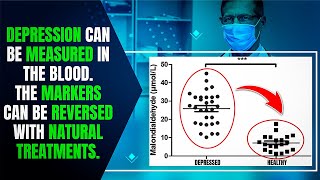
This video discusses the role of specific blood markers, such as malondialdehyde and cortisol, in major depressive disorder. It highlights potential biomarkers and their implications for diagnosis and recovery…
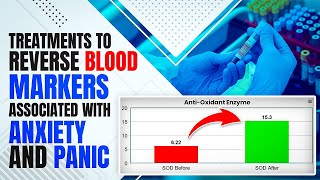
Treatments aim to reverse blood markers associated with anxiety and panic disorders. Understanding oxidative imbalance and antioxidant roles can help improve or recover from these conditions.
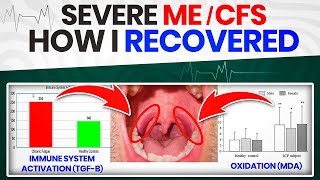
Different types of mercury are processed differently in the body, with long-term exposure to methylmercury leading to significant inorganic mercury buildup in the brain. This complex process involves slow clearance…
@justicenow_alan @LoneStarBitcoin @WalkerBragman Since you’re pulling the “the information is out there” card and won’t actually cite any studies, allow me to actually cite a study. https://t.co/JbkKgGHQ2q Now, you’re the one that just doesn’t want to hear it.
@lazahxo https://t.co/4bMSrKR1EI
 SE
SE