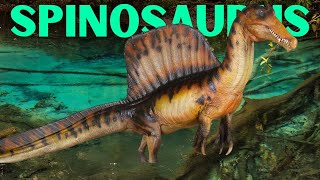
Posts reflect a keen interest in the unique semi-aquatic features of Spinosaurus, with phrases like 'expanded our understanding' and 'specialized adaptations' emphasizing the importance of the findings. Several comments highlight technical details such as limb structure and skeletal features, demonstrating genuine engagement with the research. Conversely, some posts mention ongoing debates about taxonomy and future revisions, showing curiosity about broader scientific impact.
AgreementNeither agree nor disagree
The posts display a mix of support and neutrality; some acknowledge the relevance of the research without extensively endorsing all conclusions.
InterestNeutral interest
Discussion shows high curiosity about the adaptations and implications, with several posts referencing specific features like limb structure and aquatic abilities.
EngagementNeutral engagement
The comments include mentions of ongoing research, anatomical details, and references to further readings, indicating moderate active analysis.
ImpactNeutral impact
Participants perceive the publication as meaningful within their field, though some call for revisions or further studies, suggesting a positive but cautious view on its influence.
Abstract in brief
Spinosaurus aegyptiacus shows specialized adaptations for a semi-aquatic lifestyle, such as retracted nostrils near the midregion of the skull and an elongated neck and trunk that shift its center of mass forward.
Its pelvis is smaller, hind limbs are short, and limb bones are solid, which contrasts with terrestrial dinosaurs and aids in aquatic movement and buoyancy.
Features like a short, robust femur, specific pedal claws, and possible skin-covered dorsal sail suggest adaptations for aquatic locomotion and display behaviors both on land and in water.
主に魚を食べていたと考えられている恐竜の中でも特に人気があるスピノサウルスの口先にも神経孔が沢山あり(Dal Sasso et al. 2005 https://t.co/RHB0APcRqH; Ibrahim et al. 2014 https://t.co/dRgyxNjaKB)、
「水中にいる獲物を捕らえる際に機能しただろう」と考えられています(Hone and Holtz 2017 https://t.co/k4yjNFunWp https://t.co/pecS0LnAMW
A century later a similar partial skeleton was uncovered in Morocco. Work on this specimen is still ongoing but it expanded our understanding of the animal in that it preserved very short hindlimbs and a tall (and very long) tail.
@pilgrimcetus_ I am well aware of the manuscript, which is cited in the more recent study: Tito and Aline contacted me to collaborate on their manuscript in 2018, because of the preliminary work on bone density in this manuscript https://t.co/mNDbYO11u0
Mar 24, 2022 · 13 likes · 2,454 followersView post →
LK
Lucas Kias |
@lucaskias · X
Aqui são algumas fontes que usei para fazer esse pequeno fio sobre o desenho:
• doi:10.1016/j.cretres.2020.104520
• doi:10.1126/science.1258750
• doi:10.2113/173.5.415
In this video, we explore Spinosaurus aegyptiacus, a dinosaur that challenges the belief of strictly terrestrial theropods. We discuss its unique tail adaptations for aquatic locomotion and how these findings suggest an…
What was the deadliest dinosaur? This video explores new findings suggesting ankylosaurid dinosaurs developed their tail clubs not just for defense, but also for intraspecific combat during mating rituals, shedding…
What if Spinosaurus was dropped into the ecosystems of Modern Day Africa? This video explores its attempts to survive alongside contemporary predators. Discover how its brain structure and evolutionary traits influence…
This video examines Spinosaurus aegyptiacus through the latest PNSO model, exploring its true appearance and environmental adaptations. Discussions include physical features, posture, aquatic traits, and ecological…
In 2014, research revealed Spinosaurus as a predator hunting fish, showcasing unique tail adaptations for aquatic locomotion. This video explores Spinosaurus's locomotion and its implications for the evolution of…
This video explores whether the prehistoric Spinosaurus could survive in today's African ecosystems, examining its potential ability to dominate or struggle within modern environments.
主に魚を食べていたと考えられている恐竜の中でも特に人気があるスピノサウルスの口先にも神経孔が沢山あり(Dal Sasso et al. 2005 https://t.co/RHB0APcRqH; Ibrahim et al. 2014 https://t.co/dRgyxNjaKB)、
「水中にいる獲物を捕らえる際に機能しただろう」と考えられています(Hone and Holtz 2017 https://t.co/k4yjNFunWp https://t.co/pecS0LnAMW
A century later a similar partial skeleton was uncovered in Morocco. Work on this specimen is still ongoing but it expanded our understanding of the animal in that it preserved very short hindlimbs and a tall (and very long) tail.
Oct 27, 2023 · 3 likes · 5,013 followersView post →
OZ
Ole Zant
@TheBioBob · X
@Diplodoken @AGamingBeaver The image is from this video: https://t.co/ugnlpnqf3l
And if you'd like to read more about it there were two papers published that discussed it: https://t.co/EOcZI6effu and https://t.co/RgMVCVvJib
Apr 17, 2023 · 1 like · 5,158 followersView post →
T
TheGloriousKingKronk
@GloriousKronk · X
@Deform2022 @LumpySpirit @Paleoartologist https://t.co/34xlpel9HC
https://t.co/6dCNDMZt22
https://t.co/iwIDkOT3ti
https://t.co/iwIDkOT3ti
There are still specimens not referred to Spinosaurus aegyptiacus, but the majority have been assigned to it now. I maintain that NA theropod taxonomy needs a revision.
@pilgrimcetus_ I am well aware of the manuscript, which is cited in the more recent study: Tito and Aline contacted me to collaborate on their manuscript in 2018, because of the preliminary work on bone density in this manuscript https://t.co/mNDbYO11u0
Mar 24, 2022 · 13 likes · 2,454 followersView post →
LK
Lucas Kias |
@lucaskias · X
Aqui são algumas fontes que usei para fazer esse pequeno fio sobre o desenho:
• doi:10.1016/j.cretres.2020.104520
• doi:10.1126/science.1258750
• doi:10.2113/173.5.415