É Weverton com W
@o_weverton · X
[8] https://t.co/DDSJLe7M58 [9] https://t.co/zwQ1YpTQHw
Apr 10, 2019 · 60 likes · 3 shares · 7,855 followers
View post →
Mentions
Extended reach
Total likes
Video views
AI synopsis
The overall digital discussions reflect a moderate to high engagement with the article, citing specific features like nasal modifications for biosonar and genetic gene loss. The tone is analytical and supportive, with comments like 'helpful illustration' and 'thorough treatment' emphasizing the importance of the research, which contributes to the moderate impact score.
Most discussions acknowledge the anatomical and evolutionary insights presented in the article, with some emphasizing the genetic and functional adaptations of cetacean noses.
Participants show moderate curiosity, discussing detailed anatomical features, evolutionary processes, and even genetic changes, indicating a genuine interest.
Many discussions include references to specific anatomical modifications, illustrations, and genetic implications, demonstrating a moderate level of in-depth engagement.
The debates challenge or confirm existing understanding of cetacean evolution, hinting at a meaningful impact on scientific perspectives and debates about mammalian adaptation.
[8] https://t.co/DDSJLe7M58 [9] https://t.co/zwQ1YpTQHw
@legitleavitt @EvoIutlon https://t.co/ieA9H9e4qp
@waymorgan75 @EvoIutlon The nasal passage doesn't cut through the brain at any stage of the process. There's a helpful illustration here: https://t.co/OreSeYIs1V The arrows point to where the nostril is.
@celineorelse the evolutionary fossil record basically shows they migrated piecemeal and their skulls extended, gradually allowing for more convenient breathing as scent perception became less necessary. Some cetaceans still have both nasal passages though! https://t.co/7xU7yISXHl https://t.co/iU6tWm2uQS
@Jeffery4Pi @Gabriel29732941 @OatmealSoggy @CriticalCripple @TylerPentecost @AiG Here is a more thorough treatment. https://t.co/lDKtxMdXfp
@PaulDubuisson @HaircutSpock @USAF_Eternally @wpcguy @malo_j @HazyPeter @Friendof_Darwin @donholtmac @tcunderdahl @imkimaaron @badgervindaloo @RJDownard @htownsmitty @LeannEAF @nico_manocchio @orna_verum @surgerysleeper @michellmybell1 @NaturalBAtheist @geraldpayne25 @PeterFi98279139 @JesusChristTalk @commonsensejan @tklforgiven @umfpt @Megavolt1 @chrismardell @lindaz333 @TTStraw2 @Canna420Uk @JordanRivers007 @Golfergirl2018 @2Cents69 @jcvampuk @fusepark @Janetb172 @SlenderSkeptic @Scepticdust @Crazyparklady1 @robster16a @david_gooder @th1rt3en_TM @SmokeyStafford @MPloughboy @MatildaMoonsto1 @JerryHelton14 @Cant_Read_Maps @carlsmythe @NoahPaulLeGies @TertiusIV Is your "back" the same thing as your head, Paul? And now is not a good time to bring up blowholes if you want to stay a creationist... https://t.co/6kVh7MLtLU
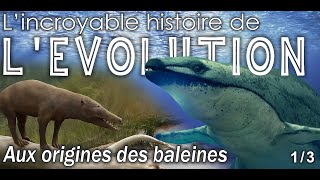
This video explores how, over 50 million years ago, land-dwelling ancestors of modern whales evolved into the largest marine mammals. Discover insights into a newly identified protocetid that reveals significant details…
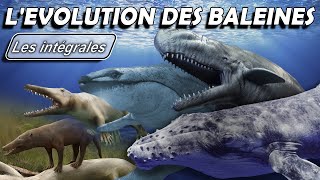
Explore the evolutionary history of whales, focusing on unique nasal anatomy changes, functional adaptations like echolocation, and genetic evidence supporting their transition from land to sea.

This review covers the anatomical evolution of cetacean noses, highlighting their transition from terrestrial to aquatic life and adaptations for echolocation in odontocetes, alongside genetic evidence and fossil record…
@celineorelse the evolutionary fossil record basically shows they migrated piecemeal and their skulls extended, gradually allowing for more convenient breathing as scent perception became less necessary. Some cetaceans still have both nasal passages though! https://t.co/7xU7yISXHl https://t.co/iU6tWm2uQS
@waymorgan75 @EvoIutlon The nasal passage doesn't cut through the brain at any stage of the process. There's a helpful illustration here: https://t.co/OreSeYIs1V The arrows point to where the nostril is.
@legitleavitt @EvoIutlon https://t.co/ieA9H9e4qp
@AnthroPunk @ArentYOUNice Z https://t.co/Cgl7SbWReH
“Modifications of the facial and nasal region of odontocetes reflect specialization for biosonar sound production." https://t.co/mCV5TDeIFR
“These anatomical modifications reflect underlying genetic changes such as the reduction of olfactory receptor genes, although mysticetes retain some olfactory abilities.“ https://t.co/mCV5TDeIFR
“Cetaceans have modified their nasal apparatus more so than any other mammalian group." https://t.co/mCV5TDeIFR
RT @JaTapps: @PaulDubuisson @HaircutSpock @USAF_Eternally @wpcguy @malo_j @HazyPeter @Friendof_Darwin @donholtmac @tcunderdahl @imkimaaron…
@PaulDubuisson @HaircutSpock @USAF_Eternally @wpcguy @malo_j @HazyPeter @Friendof_Darwin @donholtmac @tcunderdahl @imkimaaron @badgervindaloo @RJDownard @htownsmitty @LeannEAF @nico_manocchio @orna_verum @surgerysleeper @michellmybell1 @NaturalBAtheist @geraldpayne25 @PeterFi98279139 @JesusChristTalk @commonsensejan @tklforgiven @umfpt @Megavolt1 @chrismardell @lindaz333 @TTStraw2 @Canna420Uk @JordanRivers007 @Golfergirl2018 @2Cents69 @jcvampuk @fusepark @Janetb172 @SlenderSkeptic @Scepticdust @Crazyparklady1 @robster16a @david_gooder @th1rt3en_TM @SmokeyStafford @MPloughboy @MatildaMoonsto1 @JerryHelton14 @Cant_Read_Maps @carlsmythe @NoahPaulLeGies @TertiusIV Is your "back" the same thing as your head, Paul? And now is not a good time to bring up blowholes if you want to stay a creationist... https://t.co/6kVh7MLtLU
イルカやマッコウクジラなどの歯を持つハクジラ亜目はほぼ全ての嗅覚受容体遺伝子、嗅神経、嗅球、嗅索を持たず、嗅覚能力を喪失していると考えられる。 https://t.co/Kvc8ZExACH #進化の豆知識
RT @o_weverton: [8] https://t.co/DDSJLe7M58 [9] https://t.co/zwQ1YpTQHw
RT @o_weverton: [8] https://t.co/DDSJLe7M58 [9] https://t.co/zwQ1YpTQHw
RT @o_weverton: [8] https://t.co/DDSJLe7M58 [9] https://t.co/zwQ1YpTQHw
[8] https://t.co/DDSJLe7M58 [9] https://t.co/zwQ1YpTQHw
@Jeffery4Pi @Gabriel29732941 @OatmealSoggy @CriticalCripple @TylerPentecost @AiG https://t.co/bFYw8qXYs0
@Jeffery4Pi @Gabriel29732941 @OatmealSoggy @CriticalCripple @TylerPentecost @AiG Here is a more thorough treatment. https://t.co/lDKtxMdXfp