 B
B//bPunkProTOCol//\|\|_|_|_~_\___ \/ |\\
@cw4t7abs · X
Genome sequence of a 45,000-year-old modern human from western Siberia | Nature https://t.co/WNyxbyEEbn
Sep 20, 2019 · 917 followers
View post →
Mentions
Extended reach
Total likes
Video views
AI synopsis
Discussions express enthusiasm about the discovery, with users mentioning how it prompts questions about early human migration and Neanderthal interactions, using phrases like 'more complicated questions' and references to the Ust’ishim man’s significance. The tone combines curiosity and appreciation for the scientific advancements, emphasizing the discovery’s contribution to understanding our evolutionary history.
Most discussions acknowledge and support the significance of unlocking early human genomes, with comments referencing the importance of understanding human evolution and interactions with Neanderthals.
The debates are highly engaged and highlight curiosity about human origins and Eurasian history, indicating strong interest.
Participants delve into how the genome analysis raises questions about migration and interbreeding, showing active engagement with the topic.
The discussions reflect an understanding that this research advances our knowledge of human ancestry, though no consensus on immediate practical impact is implied.
Genome sequence of a 45,000-year-old modern human from western Siberia | Nature https://t.co/WNyxbyEEbn
The genome sequence of a 45,000-year-old modern human from western #Siberia. https://t.co/rvlThEwkgu This was #Ustishim (Ust'ishim) man found in 2008; offering more complicated questions about what may have happened between those #OutofAfrica & those becoming #Eurasian. https://t.co/7lpFnPuQ3R

Analysis of ancient genomes shows varying relationships with modern Europeans, indicating complex migration and population structure in Eurasia during the era of anatomically modern humans.
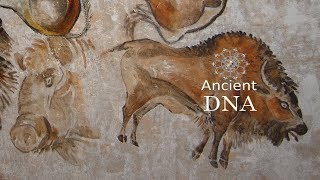
Ancient DNA from early modern humans reveals their origins, migration patterns, and interactions with archaic humans like Neanderthals and Denisovans. It highlights population shifts during the Ice Age and the genetic…
@EricsonAdv @Senior_Bitcoin @leroyb756 @B39334419 @Abolition__Now @ScienceQriosity @Call_Me_Emo1 @CapturingChrist https://t.co/8UmA5OKuBs
The genome sequence of a 45,000-year-old modern human from western #Siberia. https://t.co/rvlThEwkgu This was #Ustishim (Ust'ishim) man found in 2008; offering more complicated questions about what may have happened between those #OutofAfrica & those becoming #Eurasian. https://t.co/7lpFnPuQ3R
Genome sequence of a 45,000-year-old modern human from western Siberia | Nature https://t.co/WNyxbyEEbn
 AM
AM MS
MS