 T
TTheTweetOfRhea
@TheTweetOfRhea · X
https://t.co/oECzjYzn9O
Jan 29, 2021 · 2 likes · 44,277 followers
View post →
Mentions
Extended reach
Total likes
Video views
AI synopsis
The discussions reveal a strong interest in the comparison of autogenous theories, especially the inside-out model, with phrases like 'interesting read' and 'comparison' highlighting curiosity. The tone is neutral to slightly intrigued, indicating that participants view the publication as a meaningful contribution to understanding eukaryotic cell evolution, but not necessarily revolutionary.
Most discussions indicate general alignment with the publication's focus on autogenous theories, with some emphasizing the importance of the inside-out model, reflecting moderate agreement.
The reactions show high interest, as participants find the subject of eukaryotic cell origins compelling and relevant to evolutionary biology.
There is some engagement through recognition of different models and ongoing debates, but limited in-depth analysis or critique is present.
The discussions appear to reinforce ongoing research interests without suggesting immediate drastic implications or shifts in the field.
https://t.co/oECzjYzn9O
Interesting read: A comparison of autogenous theories for the origin of eukaryotic cells https://t.co/5DCzbPznWj
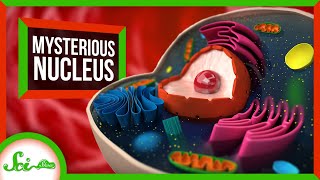
This episode discusses the crucial role of the cell nucleus in multicellular life and explores the theories surrounding its evolution, including the intriguing idea of giant viruses. Join host Stefan Chin as we delve…

This video explores the evolution of eukaryotic cells, comparing autogenous and nuclear endosymbiotic theories, with a focus on recent inside-out models and their implications for understanding cell evolution.
https://t.co/PQi3QoQXBm
Interesting read: A comparison of autogenous theories for the origin of eukaryotic cells https://t.co/5DCzbPznWj
https://t.co/oECzjYzn9O
 BY
BY