Agingdoc
@agingdoc1 · X
NAD+ in aging, metabolism, and neurodegeneration (2015) https://t.co/Ah5n6Be20I @ScienceMagazine
Apr 25, 2023 · 12 likes · 3 shares · 41,317 followers
View post →
Mentions
Extended reach
Total likes
Video views
AI synopsis
The discussions demonstrate an overall belief in the scientific importance of NAD+ research, citing studies like Sinclair et al. and Verdin's review, with tone that balances curiosity and acknowledgment of the research's relevance. Users mention NAD+ decline across multiple studies and its link to health, showing thoughtful engagement but without evident emotional investment or immediate application focus.
Most discussions acknowledge the significance of the publication, referencing multiple studies and reviews that support its conclusions about NAD+ decline and its role in aging and neurodegeneration.
Participants show moderate curiosity, mentioning related research, reviews, and biochemical processes, indicating an engaged but not highly passionate attitude.
The discussion references specific studies, such as Sinclair et al. (2017) and Verdin's 2021 review, indicating a better-than-superficial understanding and thoughtful reflection.
The posts suggest an awareness of the potential importance of NAD+ in aging and health, with phrases pointing to the relevance of NAD+ in addressing age-related diseases, implying perceived significance.
NAD+ in aging, metabolism, and neurodegeneration (2015) https://t.co/Ah5n6Be20I @ScienceMagazine
@osler78 https://t.co/eFNWaLHYB6
RT @FluffykinsT: @osler78 https://t.co/eFNWaLHYB6
@DanielHier3 @davidasinclair @grok @DanielHier Yes, see Sinclair et al. (2017) in Cell 'Declining NAD+ Induces a Pseudohypoxic State'. Also Verdin's 2021 Science review 'NAD+ in aging, metabolism, and neurodegeneration'. The 1% decline rate is well-documented across multiple studies.
A decline in NAD+ availability and abnormal NAD+/NADH redox state has been directly linked to age-related metabolic diseases and neurodegenerative disorders https://t.co/4wLTasEfWt #Ketone body expression spares NAD+ by avoiding glycolysis
RT @agingdoc1: NAD+ in aging, metabolism, and neurodegeneration (2015) https://t.co/Ah5n6Be20I @ScienceMagazine

NADplus is a vital molecule supporting energy, cellular health, and DNA repair. As we age, NADplus levels decline, leading to signs of aging and health issues. This video offers five natural strategies to increase…
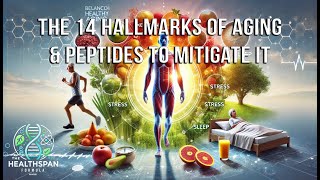
The hallmarks of aging provide a framework to understand and address biological aging. Notable interventions include DNA repair, telomere stabilization, epigenetic reversal, proteostasis enhancement, and modulation of…
@DanielHier3 @davidasinclair @grok @DanielHier Yes, see Sinclair et al. (2017) in Cell 'Declining NAD+ Induces a Pseudohypoxic State'. Also Verdin's 2021 Science review 'NAD+ in aging, metabolism, and neurodegeneration'. The 1% decline rate is well-documented across multiple studies.
RT @agingdoc1: NAD+ in aging, metabolism, and neurodegeneration (2015) https://t.co/Ah5n6Be20I @ScienceMagazine
RT @agingdoc1: NAD+ in aging, metabolism, and neurodegeneration (2015) https://t.co/Ah5n6Be20I @ScienceMagazine
RT @agingdoc1: NAD+ in aging, metabolism, and neurodegeneration (2015) https://t.co/Ah5n6Be20I @ScienceMagazine
NAD+ in aging, metabolism, and neurodegeneration (2015) https://t.co/Ah5n6Be20I @ScienceMagazine
A decline in NAD+ availability and abnormal NAD+/NADH redox state has been directly linked to age-related metabolic diseases and neurodegenerative disorders https://t.co/4wLTasEfWt #Ketone body expression spares NAD+ by avoiding glycolysis
RT @FluffykinsT: @osler78 https://t.co/eFNWaLHYB6
@osler78 https://t.co/eFNWaLHYB6