Awaken The “I AM” | r/microdosing | Mush Love
@LiveInMushLove · X
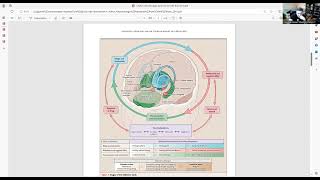
@chrost_hugo @NEJM HD version from https://t.co/72G7Fnk4hj https://t.co/3iHSSzHp2T
Feb 15, 2023 · 13 likes · 3 shares · 724 followers
View post →
Mentions
Extended reach
Total likes
Video views
AI synopsis
Overall, the discussions reflect widespread agreement on the validity of the brain disease model, supported by references to authoritative articles and scientific evidence, with tone emphasizing the importance of neurobiological understanding for treatment and stigma reduction. Examples include mentions of dopamine receptor changes, stages of addiction, and the neurobiological basis supporting effective treatments, showing both enthusiasm and depth in engagement.
Many posts strongly endorse the neurobiological perspective, citing the science and emphasizing its effectiveness in treatment and reducing stigma.
The discussions are highly engaged, with references to specific research, models, and the implications for understanding addiction.
Posts show deep engagement, including detailed explanations of brain mechanisms, stages of addiction, and debates on clinical utility.
The discourse indicates these discussions have high impact, influencing perceptions of addiction, informing policy, and guiding treatment approaches.
@chrost_hugo @NEJM HD version from https://t.co/72G7Fnk4hj https://t.co/3iHSSzHp2T
@chrost_hugo @NEJM I found the source: Volkow ND, Koob GF, McLellan AT. Neurobiologic advances from the brain disease model of addiction. New England Journal of Medicine 2016;374(4):363–71. DOI: 10.1056/NEJMra1511480
Neurobiological basis of Addiction #WorldDrugDay https://t.co/eji8dAaDOz. https://t.co/bDMNjT68tn
NEJM掲載のレビュー論文も添えておきますね。 https://t.co/TjTJHLPQVw
If you want to dabble in a lil scientific literature on the topic, here is a paper by world leading experts in the field of addiction, Nora Volkow, George Koob and Thomas McLellan, describing the four main brain changes all addictions share.
Prominent addiction experts acknowledge sexual addiction: “Neuroscience research in this area not only offers new opportunities for the prevention and treatment of substance addictions and related behavioral addictions (e.g., to food, sex, and gambling)” https://t.co/Dza8YBoJip

Continuing the series, this video discusses what science and medicine say about how pornography impacts health. Neuroscience research shows addiction involves lasting brain changes that affect reward, self-control, and…
Addiction and Mental Health Myth busters aims to inform about addiction facts and reduce stigma. This episode explores whether addiction is a sin, disease, or mental health disorder, encouraging open conversations to…

This video explores the brain mechanisms regulating reward, focusing on the mesocorticolimbic dopamine pathway, dopamine's role, and the brain's hedonic hotspots. It discusses neural bases of pleasure and craving…

Some students consistently choose conflict, driven by dopamine-driven reward loops. This video explores the neuroscience behind conflict-seeking behavior, the limitations of traditional behavior plans, and strategies…

Addiction can develop as a way to cope with emotional pain and stress. This video explains the concept of hyperkatifeia, its role in reinforcing addictive behaviors, and explores the impact of COVID-19 on deaths of…

This episode explores how neurobiological research supports viewing addiction as a brain disease, focusing on changes in brain structure and function that influence behavior. Learn how this understanding improves…
RT @mtldasan: NEJM掲載のレビュー論文も添えておきますね。 https://t.co/TjTJHLPQVw
NEJM掲載のレビュー論文も添えておきますね。 https://t.co/TjTJHLPQVw
Neurobiologic Advances from the Brain Disease Model of Addiction https://t.co/COnigfOv7N https://t.co/KPVw0kJGRX
The article by Volkow et al. (2016) in the New England Journal of Medicine “Neurobiologic Advances from the Brain Disease Model of Addiction” details how drugs alter dopamine receptors (D1, D2) and cause dysfunction in the prefrontal cortex, which is responsible for self-control
https://t.co/N78aYpx2rA
@RebolledaGil @gataja7 Volkow 2016 Doi: 10.1056/NEJMra1511480
RT @NEJM: Review Article: Neurobiologic Advances from the Brain Disease Model of Addiction. https://t.co/5sbSiyrQyk https://t.co/UhKPHZ6akJ
RT @NEJM: Review article looks at addiction as a brain disease. https://t.co/5sbSiyrQyk https://t.co/npTUblub0D
Изменения мозга (цитирую): 1) Сенсибилизация 2) Десенсибилизация 3) Дисфункциональная префронтальная система 4) Неисправная система стресса 183 doi:10.1056/NEJMra1511480 https://t.co/5OGXMrWNHz
@ProfSpencerSly @takkt_kl @Lean1367539 https://t.co/ZgbQhfhEhf This talks about the brain chemistry alterations associated with chemical dependency as well. This will go over dopamine production and alteration as well.
@codeveronica_x @IncelsCo https://t.co/1B1QF5iueI https://t.co/11GikalSHx https://t.co/bW7qlh5vEw https://t.co/dYGeGClsKc A lot of it is neurological but it also effects your endocrine system as well.
@AnAddictAtheist Semantic opinion aside, all that matters is which model has been more effective in treatment. Its the disease model. "Research guided by the brain disease model of addiction has led to the development of more effective methods of prevention and treatment" https://t.co/1woefS8pmY
https://t.co/FxK0V5Rw91
@shvogt @wdpsychiatry Opioid use disorder is a disease that causes brain changes. This isn’t made up by pharma but proven by decades of impartial research (see: https://t.co/FIQzFkfpya) - partial or full agonism of opioid receptors allows for restoration of natural neuronal pathways over time.
To learn more about the effects of addiction, read “Neurobiologic Advances from the Brain Disease Model of Addiction.” by Volkow, et. al and “Drug-Evoked Synaptic Plasticity in Addiction: From Molecular Changes to Circuit Remodeling.” by Luscher and Malenka.
RT @JhunuDr: Neurobiological basis of Addiction #WorldDrugDay https://t.co/eji8dAaDOz. https://t.co/bDMNjT68tn
RT @JhunuDr: Neurobiological basis of Addiction #WorldDrugDay https://t.co/eji8dAaDOz. https://t.co/bDMNjT68tn
RT @JhunuDr: Neurobiological basis of Addiction #WorldDrugDay https://t.co/eji8dAaDOz. https://t.co/bDMNjT68tn
Neurobiological basis of Addiction #WorldDrugDay https://t.co/eji8dAaDOz. https://t.co/bDMNjT68tn
RT @pivoteducatnl: Neurobiologic Advances from the Brain Disease Model of Addiction — NEJM https://t.co/SdhjGwVp6T
RT @EddieRDMD: NEJM: Stages of Addiction, "we have divided addiction into three recurring stages: binge and intoxication, withdrawal and ne…
RT @EddieRDMD: NEJM: Stages of Addiction, "we have divided addiction into three recurring stages: binge and intoxication, withdrawal and ne…
NEJM: Stages of Addiction, "we have divided addiction into three recurring stages: binge and intoxication, withdrawal and negative affect, and preoccupation and anticipation (or craving)." https://t.co/rcD4BwF2uR @fedeadd https://t.co/JRjAzuShHE
@melbee4444 https://t.co/pgLyeXhQma
RT @Drmolinav: @chrost_hugo @NEJM I found the source: Volkow ND, Koob GF, McLellan AT. Neurobiologic advances from the brain disease model…
@chrost_hugo @NEJM I found the source: Volkow ND, Koob GF, McLellan AT. Neurobiologic advances from the brain disease model of addiction. New England Journal of Medicine 2016;374(4):363–71. DOI: 10.1056/NEJMra1511480
RT @Neurons2Nirvana: @chrost_hugo @NEJM HD version from https://t.co/72G7Fnk4hj https://t.co/3iHSSzHp2T
RT @Neurons2Nirvana: @chrost_hugo @NEJM HD version from https://t.co/72G7Fnk4hj https://t.co/3iHSSzHp2T
I just posted "Figure 1: Stages of the #Addiction Cycle | Neurobiologic Advances from the Brain Disease Model of Addiction | The New England Journal of Medicine (@NEJM) [Jan 2016]" on Reddit https://t.co/vbgZ0frShz
RT @Neurons2Nirvana: @chrost_hugo @NEJM HD version from https://t.co/72G7Fnk4hj https://t.co/3iHSSzHp2T
@chrost_hugo @NEJM HD version from https://t.co/72G7Fnk4hj https://t.co/3iHSSzHp2T
@LordDavislive @GarethPetterwo1 @iUsedToBeADuck @JohnsHopkins @hazldnbettyford https://t.co/wOJvoYi5nZ
@OACerebro https://t.co/uG8pPLorbu
RT @YourBrainOnPorn: Prominent addiction experts acknowledge sexual addiction: “Neuroscience research in this area not only offers new opp…
RT @YourBrainOnPorn: Prominent addiction experts acknowledge sexual addiction: “Neuroscience research in this area not only offers new opp…
Prominent addiction experts acknowledge sexual addiction: “Neuroscience research in this area not only offers new opportunities for the prevention and treatment of substance addictions and related behavioral addictions (e.g., to food, sex, and gambling)” https://t.co/Dza8YBoJip
https://t.co/qnVnqv4uNR
#CPO journal club this term discusses different theories of #addiction. This week we explore the #medical and #policy advancements resulting from the Brain Disease Model of #addiction in the article by @noradvolkow with @NIDAnews https://t.co/QhoeCcc8VV
@KemtrupTweets That is certainly part of it. Volkow, Koob, and McLellan write about addiction as DSM severe substances use disorder: Volkow ND, Koob GF, McLellan AT. Neurobiologic Advances from the Brain Disease Model of Addiction. N Engl J Med. 2016 Jan 28;374(4):363-71.
Neurobiologic Advances from the Brain Disease Model of Addiction | NEJM https://t.co/019pO3xWv4
@MatthieuPiccoli @Olvmt pour ceux qui aime la neuro et les addictions , interessant aussi en gériatrie pour nos patients benzo dépendant https://t.co/Cguti2s5YJ
Neurología1: Declaración de conflicto de interés El Dr. McLellan informa que recibe honorarios por servir en la junta directiva de Indivior Pharmaceuticals. https://t.co/tSooLGmhrd ¿es necesario explicar? Neurología2: "Los resultados sugieren que la vergüenza y la culpa tienen+
@Lucas21331772 @kalos_kagatos @THiddenBattle Neurología: https://t.co/TyKDUsFM9g https://t.co/mPaN5F6FYD Adicción: https://t.co/RmYpbBgioU Soledad: https://t.co/tJcB5K5pOJ Síndromes: https://t.co/wt6bXSDr3b Abuso en sustancias: https://t.co/zDr4xm0tl2 Estudiantes consumidores: https://t.co/fNjd4xPJfe
Neurobiologic Advances from the Brain Disease Model of Addiction | NEJM https://t.co/oUvf2mTFoN
RT @TheFAIOfficial: If you’re up for taking a deep dive into the science of addiction, this is an excellent article by The New England Jour…
If you’re up for taking a deep dive into the science of addiction, this is an excellent article by The New England Journal of Medicine. https://t.co/o9cMCYil8S https://t.co/bxuqNHFR1E
@lucyandwayne1 @SerenaShimAward @Jo_IsABitch https://t.co/3Is0xCCqjP
2/Stronger defense of brain disease model. From Dr. Volkow. But it would not be Dr. Volkow's approach to posit addiction as resulting "from" the drug, given the other factors https://t.co/ZZZdb6PRqB
For a great read describing the latest science and understanding on the Brain Disease Model of Addiction I highly recommend this review: https://t.co/PfQ5bsa9VA
@DrGonzaloQZ RE: Your comment. By your logic PTSD, Alzheimer's, Parkinson's are no big deal cause all are just a "brain change". Addiction-induced brain changes have been studied for decades in both human & animal models. See this review by heads of NIAAA and NIDA: https://t.co/Dza8YBoJip
@bossyourday I just mean it’s not that simple to decide or understand the neurobiology behind this. These articles are interesting though. https://t.co/d7lqUg58ml https://t.co/g6f06sB10q
@K_Riese459 @FroGiPiler @Anthony__xox @nimbimm Hi kraig! People don’t choose to have chronic diseases such as chronic pain, lung cancer or addiction! Since you clearly know very little about addiction as a disease, here is a fun and informative article! No need to thank me❤️ https://t.co/gm8iZOPrK2
私は紺野さんの後に依存症の神経基盤ということで、https://t.co/5BH3fWzB7hを引用しながら、報酬系が刺激された後にその他の脳部位で起こる変化(快楽の副作用的な話)を話す予定でしたが時間切れで次回持ち越しになりました笑 良い資料を作ってくれて、盛り上がってよかったです!
The review outlining the four major brain changes induced by addiction are described by George F. Koob and Nora D. Volkow: https://t.co/Dza8YB77TP In the opening paragraph, the heads of NIDA & NIAAA say that sex addiction exists: https://t.co/KlU3p1Ne53
RT @gabedeem: McCauley mentions the amazing work of Nora Volkow. Here is a review of the literature on addiction neuroscience she co-auth…
RT @gabedeem: McCauley mentions the amazing work of Nora Volkow. Here is a review of the literature on addiction neuroscience she co-auth…
McCauley mentions the amazing work of Nora Volkow. Here is a review of the literature on addiction neuroscience she co-authored with George Koob I highly recommend reading: https://t.co/PfQ5bsa9VA
RT @gabedeem: If you want to dabble in a lil scientific literature on the topic, here is a paper by world leading experts in the field of a…
RT @gabedeem: If you want to dabble in a lil scientific literature on the topic, here is a paper by world leading experts in the field of a…
If you want to dabble in a lil scientific literature on the topic, here is a paper by world leading experts in the field of addiction, Nora Volkow, George Koob and Thomas McLellan, describing the four main brain changes all addictions share.
Neurobiologic Advances from the Brain Disease Model of Addiction | NEJM https://t.co/uM02IzexRl
RT @JillPiggott: @chelemp Here's an interesting article. I think #cpps need to lobby on grounds that current policy is failing ALL patients…
@chelemp Here's an interesting article. I think #cpps need to lobby on grounds that current policy is failing ALL patients: people w/ addiction as well as people w/ pain. We need patient solidarity against PROP jackasses! https://t.co/cNq9FYHLzX
@mikedennymike @JDHaltigan @hollymathnerd Best case for the brain disease model: https://t.co/3bmUxYXmro Volkow also published a neat paper on food addiction.
@mikedennymike @JDHaltigan @hollymathnerd Best case for the brain disease model: https://t.co/3bmUxYXmro Volkow also published a neat paper on food addiction.
@DeJdeneef @Wdekanter Verslaving is niet onbegrijpelijk als je je er in verdiept. Misschien dat dit je helpt om het iets beter te begrijpen. https://t.co/fAbTXZWWpl
@JessLynnMoreno 1/x Thanks for the thoughtful dialogue :) 1. Academically, the term is a proxy for some of the symptoms that arise from impaired frontal lobe activity in context of a neurobio addiction model. The Preoccupation-Anticipation stage: https://t.co/Og5VPiXpYz
@JessLynnMoreno 2/2 (e.g., Koob & Volkow's neurobiological model of addiction--third stage: https://t.co/Og5VPiXpYz). I do agree that there's little use for the term clinically, unless it occurs in the context of collaborative/non-judgmental psychoeducation.
@HornbakerJules @onekade @SIFMA_NOW @WBUR This article by three doctors in the New England Journal of Medicine explains it pretty completely if you’re honestly looking for evidence. https://t.co/aZhIcPlhKO
@india_pu I found these two contrasting articles helpful: both excellent, rigorous work with top notch neurobiology, yet totally different conclusions: https://t.co/GFyW25FM8v https://t.co/9oVAkeLYKX
@india_pu I found these two contrasting articles helpful –— both excellent, rigorous work with top notch neurobiology... and yet totally different conclusions: https://t.co/GFyW25FM8v https://t.co/9oVAkeLYKX
RT @tinysmallpaul: @ClarkeMicah @mcfunk78 Simply stating there is no consistent definition of addiction does not make it so, Mr Hitchens. T…
@ClarkeMicah @mcfunk78 Simply stating there is no consistent definition of addiction does not make it so, Mr Hitchens. This review explains what it is, and the evidence for its biochemical basis - the changes in the body and brain that lead to changes in thought and behaviour: https://t.co/HucPdel9Xv
@ClarkeMicah @mcfunk78 Peter Hitchens knows little of what medical professionals say about addiction: https://t.co/aOV7r4n7Dq https://t.co/HucPdeCKP3
@ClarkeMicah Have a look at the objective scientific evidence for yourself: https://t.co/HucPdel9Xv
@ClarkeMicah @mcfunk78 This scientific review answers your comments and criticisms of addiction: https://t.co/HucPdel9Xv
@ClarkeMicah @mcfunk78 This scientific review answers your comments and criticisms of addiction: https://t.co/HucPdel9Xv
@ClarkeMicah This scientific review answers your comments and criticisms of addiction: https://t.co/HucPdel9Xv
RT @kyutibu: We need to do a better job at educating the masses and especially the younger generation. This ongoing stigma and shaming stop…
RT @kyutibu: We need to do a better job at educating the masses and especially the younger generation. This ongoing stigma and shaming stop…
We need to do a better job at educating the masses and especially the younger generation. This ongoing stigma and shaming stops people from seeking the help and therapy they desperately need. https://t.co/llkWvyWIMb
@Marcelhulspas @Gert_van_Dijk “Verleidelijk” is een erg misleidende term bij deze aandoening. Verslaving gaat over het verliezen van de keuze om niet te gebruiken. Misschien vind je het volgende artikel wel interessant om meer te weten te komen over wat verslaving nu eigenlijk is. https://t.co/2tWrReocxb
Neurobiologic Advances from the Brain Disease Model of Addiction Nora D. Volkow, M.D., George F. Koob, Ph.D., and A. Thomas McLellan, Ph.D. January 28, 2016 N Engl J Med 2016; 374:363-371 DOI: 10.1056/NEJMra1511480 Editors Dan L. Longo, M.D., Editor
Neurobiologic Advances from the Brain Disease Model of Addiction | NEJM https://t.co/UDbxU28n0m
RT @NEJM: Review Article: Neurobiologic Advances from the Brain Disease Model of Addiction. https://t.co/5sbSiyrQyk https://t.co/pCPNeeqxO2
@LannyWindsor @DeanieBeanielol @ClarkeMicah Lanny, there is some scientific literature on this, yes. Could start here for e.g. https://t.co/6fAlf7ieSs
Neurobiologic Advances from the Brain Disease Model of Addiction http://bit.ly/2GmzejA … #NeuroScience #SocialDeterminants #SharedFacts
Neurobiologic Advances from the Brain Disease Model of Addiction http://bit.ly/2GmzejA #NeuroScience #SocialDeterminants #SharedFacts
Neurobiologic Advances from the Brain Disease Model of Addiction https://www.health.harvard.edu/blog/is-addiction-a-brain-disease-201603119260 #NeuroScience #SocialDeterminants #SharedFacts
Neurobiologic Advances from the Brain Disease Model of Addiction https://www.health.harvard.edu/blog/is-addiction-a-brain-disease-201603119260 … #NeuroScience #SocialDeterminants #SharedFacts
Neurobiologic Advances from the Brain Disease Model of Addiction https://www.health.harvard.edu/blog/is-addiction-a-brain-disease-201603119260 … #NeuroScience #SocialDeterminants #SharedFacts
Neurobiologic Advances from the Brain Disease Model of Addiction https://www.health.harvard.edu/blog/is-addiction-a-brain-disease-201603119260 … #NeuroScience #SocialDeterminants #SharedFacts
Neurobiologic Advances from the Brain Disease Model of Addiction http://bit.ly/2GmzejA #NeuroScience #SocialDeterminants #SharedFacts
Neurobiologic Advances from the Brain Disease Model of Addiction https://www.health.harvard.edu/blog/is-addiction-a-brain-disease-201603119260 … #NeuroScience #SocialDeterminants #SharedFacts
Neurobiologic Advances from the Brain Disease Model of Addiction https://www.health.harvard.edu/blog/is-addiction-a-brain-disease-201603119260 #NeuroScience #SocialDeterminants #SharedFacts
 PL
PL