Francesco Santini
@fsantini2015.bsky.social · Bluesky
Genome-culture coevolution promotes rapid divergence of killer whale ecotypes http://go.nature.com/1BQ9UG
May 31, 2016
View post →
Mentions
Extended reach
Total likes
Video views
AI synopsis
The discussion reflects enthusiasm and support, with phrases like 'a paper I was part of is now out :)' demonstrating personal investment, and mentions of the research's focus on rapid divergence and genetic-cultural evolution highlight engagement with the scientific importance of the work. The tone is positive and conveys confidence in the findings' significance.
Most discussions express positive acknowledgment of the publication, indicating overall support or recognition of its significance.
Comments show a high level of curiosity and engagement, especially since some posts mention their personal involvement in the research.
Posts include references to the research process, its findings, and its implications, demonstrating active participation.
The mention of sharing a personal connection and the importance of the research suggests a moderate influence on scientific and social awareness.
Genome-culture coevolution promotes rapid divergence of killer whale ecotypes http://go.nature.com/1BQ9UG
a paper I was part of is now out :)! 'Genome-culture coevolution promotes rapid divergence of killer whale ecotypes' http://rdcu.be/iEfn
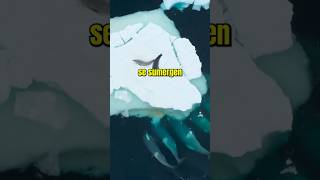

Killer whales are identified as one species with various ecotypes that have distinct prey preferences and behaviors but show low genetic diversity due to low mitochondrial mutation rates. Researchers have developed…

Explore the incredible story of Old Tom, a majestic orca whose life transitioned from human ally to tragic figure. This real tale highlights the complex bond between orcas and humans, focusing on loyalty, betrayal, and…

Today, we explore the fascinating world of orcas, known as killer whales. These intelligent marine mammals recognize their reflection, communicate through diverse sounds, and have distinct dialects. Their advanced…
Genome-culture coevolution promotes rapid divergence of killer whale ecotypes http://go.nature.com/1BQ9UG
a paper I was part of is now out :)! 'Genome-culture coevolution promotes rapid divergence of killer whale ecotypes' http://rdcu.be/iEfn