Discussions reflect a generally positive reception, with commentaries such as recognizing the paper as a valuable contribution to understanding sensory experiences in autism, exemplified by phrases like 'good paper' and references to specific topics like pain and interoception. The tone is appreciative yet straightforward, indicating interest and recognition of its potential influence without deep technical debate.
AgreementModerate agreement
Most discussions agree that the paper provides valuable insights into interoception's role in autism, highlighting its relevance and significance.
InterestHigh interest
Posts demonstrate high interest, especially when referencing specific aspects like pain response and the need for better understanding in ASD contexts.
EngagementModerate engagement
Participants show moderate engagement, with responses including positive reactions and acknowledgment of the paper’s content, but limited in-depth analysis.
ImpactModerate impact
The discussions suggest the paper could influence future research directions, though its immediate impact appears moderate based on the tone.
Abstract in brief
The review highlights that research on interoception, the internal sense of body signals, in individuals with Autism Spectrum Disorder (ASD) is limited but growing, and understanding these internal processes could aid in developing clinical treatments like biofeedback and brain stimulation.
Studies show that interoception is generally atypical in people with ASD, often tending towards reduced awareness of internal sensations, but the exact nature and extent of these differences are still unclear due to the diverse nature of ASD.
The authors emphasize the need for more comprehensive research combining neuroimaging, physiological, and self-report methods to better understand how interoception relates to ASD behaviors, and suggest that current sensory processing models should be updated to include these recent findings.
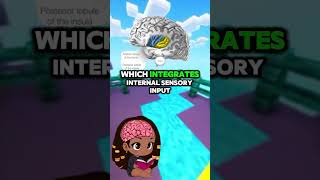
Research indicates reduced insula activation and altered connectivity with the anterior cingulate cortex in autistic individuals during interoceptive tasks, explaining difficulties in emotional awareness and body…
Anne MacMillan explores interoceptive differences between autistics and nonautistics, highlighting how these perception of internal bodily sensations influence sensory processing and empathy. Understanding these…
The Role of Eye Movements in Manual Interception a Mini 2021 ...
News
https://doi.org/10.1167/16.5.13. Neuroscience, 52(1), 104–111. https://doi.org/10.1016/j.ijdevneu.2016.05.001. Maiello, G., Kwon, M., & Bex, P. J. (2018) ...
Psychiatric and Behavioral Aspects of Epilepsy: Nigel C. Jones ...
News
doi.org/10.1016/j.ijdevneu.2010.03.001. Hirvonen M, Ojala R, Korhonen P ... org/10.1016/j.nbd.2016.05.001. Paudel YN, Shaikh MF, Shah S et al (2018) Role ...
 SC