Pet-Vet Inc.
@vmn_japan · X
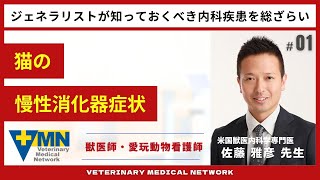
RT @vmn_japan: 佐藤 雅彦先生の「ジェネラリストが知っておくべき内科疾患を総ざらい」 第15回 猫の慢性消化器症状のアプローチ https://t.co/4iRl3xmwho #獣医師 #愛玩動物看護師 #獣医学 #動物病院 #犬 #猫 #獣医学部 #獣医学科
Sep 7, 2023 · 1 share · 374 followers
View post →
Mentions
Extended reach
Total likes
Video views
AI synopsis
The posts demonstrate moderate agreement and interest by discussing clinical signs such as weight loss and poor coat, and highlight the significance of treatment options like vitamin B12 supplementation. Their tone balances acknowledgment of the study's importance with a focus on clinical relevance, leading to a consistent but not overly intense discussion.
Most discussions show recognition of the importance and relevance of the study on feline EPI, with many emphasizing the need for awareness and treatment.
Participants express moderate interest, often discussing clinical signs and potential for improved diagnosis, indicating some engagement but not highly passionate enthusiasm.
Posts reference specific details like age ranges, clinical signs, and treatment responses, reflecting a moderate level of detailed engagement.
The discussions suggest the study has a meaningful impact on veterinary understanding and clinical practices concerning feline EPI, though not presented as revolutionary.
RT @vmn_japan: 佐藤 雅彦先生の「ジェネラリストが知っておくべき内科疾患を総ざらい」 第15回 猫の慢性消化器症状のアプローチ https://t.co/4iRl3xmwho #獣医師 #愛玩動物看護師 #獣医学 #動物病院 #犬 #猫 #獣医学部 #獣医学科
佐藤 雅彦先生の「ジェネラリストが知っておくべき内科疾患を総ざらい」 第15回 猫の慢性消化器症状のアプローチ https://t.co/4iRl3xmwho #獣医師 #愛玩動物看護師 #獣医学 #動物病院 #犬 #猫 #獣医学部 #獣医学科

Feline EPI involves inadequate pancreatic enzyme production. The study describes symptoms, lab anomalies, comorbidities, and the positive response to therapy, emphasizing the importance of recognizing signs and…
Cats with exocrine pancreatic insufficiency are typically older with symptoms like weight loss, poor coat, and lethargy. Most respond well to therapy, especially with cobalamin supplementation and positive trypsin-like…
RT @vmn_japan: 佐藤 雅彦先生の「ジェネラリストが知っておくべき内科疾患を総ざらい」 第15回 猫の慢性消化器症状のアプローチ https://t.co/4iRl3xmwho #獣医師 #愛玩動物看護師 #獣医学 #動物病院 #犬 #猫 #獣医学部 #獣医学科
佐藤 雅彦先生の「ジェネラリストが知っておくべき内科疾患を総ざらい」 第15回 猫の慢性消化器症状のアプローチ https://t.co/4iRl3xmwho #獣医師 #愛玩動物看護師 #獣医学 #動物病院 #犬 #猫 #獣医学部 #獣医学科