The discussions highlight an awareness of existing research, as seen in comments like the well-researched nature of altitude effects on flight, and references to datasets from reputable sources. The tone is cautious and scientific, emphasizing understanding rather than excitement or controversy, which supports the neutral scores.
AgreementNeither agree nor disagree
The comments reflect a recognition that the research builds upon existing knowledge about flight mechanics, indicating neutral agreement overall.
InterestModerate interest
The discussion shows curiosity about the specific adaptations of Himalayan vultures, suggesting moderate interest.
EngagementModerate engagement
Postings reference the scientific data and discuss behavioral adaptations, demonstrating some level of detailed engagement.
ImpactNeutral impact
The discussions seem more informational than transformative, so the perceived impact is minimal.
Abstract in brief
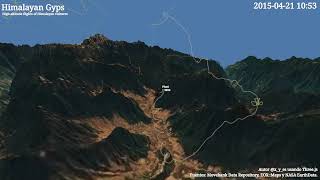
Himalayan vultures adapt their flight behavior by increasing their circle radius by 35% and airspeed by 21% as they fly at higher altitudes, rather than changing wing posture or lift coefficient.
These adjustments help the vultures sustain their soaring flight in thin air at altitudes up to 6500 meters without expending extra energy.
The study highlights how these simple behavioral modifications allow vultures to efficiently migrate across the Himalayas, despite the challenges posed by reduced air density at high elevations.]
Paquete de datos @MovebankTeam Sherub S, Wikelski M, Fiedler W, Davidson SC (2016) Data from: Behavioural adaptations to flight into thin air. Movebank Data Repository. https://t.co/uiLgIDe6Cu https://t.co/JXzk6aHYZ9
May 25, 2021 · 1 like · 1 share · 4,734 followersView post →
JJ
jayden tan jun jie
@Goatsbutters · X
@wifeofmrwee the mathematics of how altitude affects winged flight is actually a fairly well researched topic https://t.co/JQLLxwQWe2
Himalayan vultures adjust their flight by increasing circle radius and airspeed at high altitude, enabling efficient soaring without extra energy. These behavioral modifications support migration across the Himalayas at…
Himalayan vultures adapt their flight behavior by increasing circle radius and airspeed to soar at high altitudes up to 6500 meters. These simple behavioral modifications enable efficient migration despite thin air…
Himalayan vultures adapt their flight behavior by increasing circle radius and airspeed at higher altitudes, enabling sustained soaring up to 6500 meters without extra energy. These simple modifications facilitate…
Himalayan vultures adapt their flight behavior by increasing circle radius and airspeed to soar at high altitudes up to 6500 meters without extra energy. These simple behavioral changes enable efficient migration in…
Himalayan vultures adapt their flight by increasing circle radius and airspeed at high altitudes, without changing wing posture. These behavioral adjustments enable efficient soaring in thin air at elevations up to 6500…
Paquete de datos @MovebankTeam Sherub S, Wikelski M, Fiedler W, Davidson SC (2016) Data from: Behavioural adaptations to flight into thin air. Movebank Data Repository. https://t.co/uiLgIDe6Cu https://t.co/JXzk6aHYZ9
May 25, 2021 · 1 like · 1 share · 4,734 followersView post →
 PS
PS JJ
JJ