Discussions reflect a mix of support and skepticism, with some posts emphasizing the relevance of light timing to mental health, while others include dark humor or references to extreme events like suicides, highlighting emotional reactions and societal implications. Words like 'bad for depression' and references to high-profile tragedies suggest a tone combining concern and sensationalism, which influences the scored moderate impact and engagement levels.
AgreementModerate agreement
Most discussions acknowledge the importance of light exposure and its effects on mood and brain function, although some references are more anecdotal or sarcastic.
InterestModerate interest
The posts show moderate interest, with some engaging in emotional or sensational commentary about depression and mental health, but not deeply exploring scientific details.
EngagementNeutral engagement
Engagement appears superficial in several posts, with minimal in-depth analysis or discussion of the research methodology beyond surface-level mentions.
ImpactModerate impact
The discussions suggest that the topic resonates with public concerns about mental health and daily routines, indicating a moderate perceived impact.
Abstract in brief
Light exposure timing plays a crucial role in regulating mood and brain function, as natural light-dark cycles help synchronize our internal circadian rhythms.
Pervasive artificial light at night disrupts these rhythms, affecting sleep, hormone levels, and cellular processes, and is linked to increased risks of cancers, metabolic issues, and mood disorders.
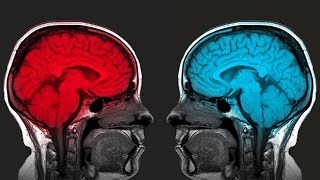
Disruption of circadian rhythms by nighttime light alters brain regions responsible for emotion regulation through changes in neural activity, neuroplasticity, neurotransmission, and gene expression, impacting mental health.]
Timing of light exposure affects mood and brain circuits and why springtime can be bad for depression sufferers - Andreas Lubitz Germanwing killing hiself with 148 people onboard on airplane ✈️ https://t.co/imGMLi6ZxS
Master Your Circadian Rhythm and Feel Amazing. Circadian rhythms are internal biological cycles aligned with the 24-hour day, influenced by light-dark cues. Disruptions are linked to mood disorders, sleep issues, and…
This video explores the crucial role of light exposure in shaping human circadian rhythms. It reviews various studies highlighting the negative health effects of artificial light, with a focus on melatonin secretion and…
A brief look at some of the ways our brains control our bodies. The video covers brain mapping projects, neuroanatomy, neuroplasticity, reflexes, and sensory-motor pathways to explain how neural processes regulate…
Are you having trouble sleeping or waking up frequently during the night? This video reviews 8 natural sleep aids supported by scientific research, including Melatonin, Valerian, and CBD. Each of these substances has…
Timing of light exposure affects mood and brain circuits and why springtime can be bad for depression sufferers - Andreas Lubitz Germanwing killing hiself with 148 people onboard on airplane ✈️ https://t.co/imGMLi6ZxS