 P
PPiyush
@drpiyushkr · X
"OSA is an independent risk factor for stroke but may also develop or continue as a result of the stroke.2,5,8" https://t.co/AnxOgzyeU8
Apr 6, 2023 · 2,801 followers
View post →
Mentions
Extended reach
Total likes
Video views
AI synopsis
The discussion centers around the role of OSA as an independent risk factor and its development post-stroke, with phrases like 'may also develop or continue' showing nuanced understanding. The tone is informative but somewhat reserved, reflecting recognition of the article's relevance without extensive critique or excitement.
Most posts acknowledge the importance of sleep disorders like OSA as both a risk factor and consequence of stroke, indicating general agreement with the publication's findings.
The discussion shows neutral levels of interest, as the post highlights a key point without additional elaboration or enthusiasm.
The brief mention suggests some engagement, as it references multiple sources to support the statement, but it lacks in-depth analysis.
Recognizing OSA as an important factor in stroke risk and recovery implies moderate impact, emphasizing the importance of considering sleep issues in clinical practice.
"OSA is an independent risk factor for stroke but may also develop or continue as a result of the stroke.2,5,8" https://t.co/AnxOgzyeU8
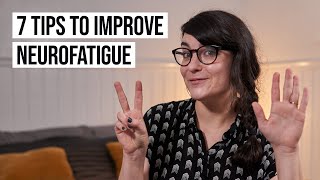
Neuro fatigue after a stroke is frustrating to deal with and its a complex issue to treat. This video shares 7 simple strategies to help improve neuro fatigue, including movement, sleep, and mood monitoring.

A common but often untreated issue stroke survivors experience is obstructive sleep apnea. Up to 70% of survivors are affected, leading to symptoms like snoring, fatigue, and concentration difficulties. Early screening…
"OSA is an independent risk factor for stroke but may also develop or continue as a result of the stroke.2,5,8" https://t.co/AnxOgzyeU8