 B
A Nutróloga, Rosangela Arnt, explicou o ... - Facebook
Facebook
doi: 10.1371/journal.pone.0176069. ⠀⠀⠀⠀⠀⠀⠀⠀⠀ Singer P, Blaser AR, Berger MM, et al.. (2019) ESPEN guideline on clinical nutrition ...
Jul 20, 2020
View →
Mentions
Extended reach
Total likes
Video views
AI synopsis
Discussions prominently highlight the link between zinc levels and sepsis outcomes, with phrases like 'important biomarker' and 'potential game changer' demonstrating perceived significance. Participants also debate whether low zinc is a cause or consequence of sepsis, reflecting varied engagement levels and interest in the broader clinical implications.
Most discussions acknowledge the study’s findings, with some emphasizing the importance of zinc as a biomarker or a potential therapeutic target.
Participants show moderate curiosity, often referencing the implications of zinc levels in critical care and sepsis management.
Many contributions go beyond superficial comments, with some analyses of methodology and potential clinical applications.
The discussions hint at the study's relevance in shaping future research or treatment approaches, indicating a moderate to high perceived impact.
Persistent low serum zinc is associated with recurrent sepsis in critically ill patients - A pilot study - PubMed https://t.co/ZjDfCi1MTC
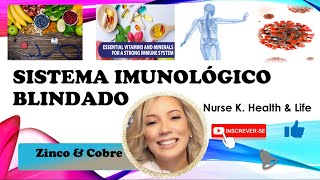
Zinc and copper are essential for optimal immune system function, antiviral activity, and cardiovascular health, supporting enzyme functions, hormone production, and tissue integrity. This video explores their roles…

Our immunity is still the best tool to defend against infections, including COVID-19. In this video, I explain the 5 essential nutrients for boosting immunity, where to find them in food, and recommended dosages for…

This video discusses the current treatments for COVID-19, including recent clinical experiences and effective medication strategies, with emphasis on managing the disease's severity and improving patient outcomes.
Persistent low serum zinc is associated with recurrent sepsis in critically ill patients - A pilot study - PubMed https://t.co/ZjDfCi1MTC
doi: 10.1371/journal.pone.0176069. ⠀⠀⠀⠀⠀⠀⠀⠀⠀ Singer P, Blaser AR, Berger MM, et al.. (2019) ESPEN guideline on clinical nutrition ...