 JM
JMJulio Mayol
@juliomayol · X
If I never see your face again... https://t.co/9UI2TzPgTP https://t.co/oPwmUAsA6o
Apr 10, 2019 · 3 likes · 57,684 followers
View post →
Mentions
Extended reach
Total likes
Video views
AI synopsis
The group's discussions indicate a high interest in facial recognition mechanisms, frequently referencing the number of neurons (~200) or variables (50) involved, which demonstrates curiosity about neural coding. The tone varies from mild intrigue to recognition of scientific significance, with phrases like 'worth a read' and references to applications in understanding facial phenotypes, reflecting a balanced view of the research's value without overwhelming enthusiasm.
Most discussions acknowledge the significance and accuracy of the research, with comments like 'worth a read' and references to key concepts, indicating mild strong agreement.
The discussions reflect a high level of curiosity, with phrases like 'seems interesting' and 'check this out,' showing genuine engagement with the topic.
While many posts reference the research directly, mentioning key details like the number of neurons and facial variables, the depth of discussion is relatively surface-level, indicating moderate engagement.
The overall tone suggests some recognition of potential importance, evidenced by comments linking the research to broader concepts like facial phenotypes and primate studies, but without explicit claims of transformative impact.
If I never see your face again... https://t.co/9UI2TzPgTP https://t.co/oPwmUAsA6o
Interestingly, biological brains also represent faces with around ~200 neurons https://t.co/sMhp6i1t6y https://t.co/kw8AWWRKgR https://t.co/RRfHkpHGcI
When discussing facial phenotype this is an important concept -50 variables indentify facial difference ? #CFSGBI2019 The Code for Facial Identity in the Primate Brain https://t.co/4xudxvhoI2 https://t.co/NqmJaMyNXP
@nfloat16 ‘the code for facial identity in the primate brain’ is worth a read. seems interesting re mech interp
Check this out https://t.co/cE824gPYkP
RT @Jneildwy: When discussing facial phenotype this is an important concept -50 variables indentify facial difference ? #CFSGBI2019 The Cod…
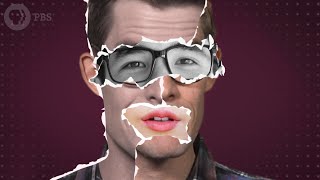
Explore how humans recognize faces, the existence of doppelgängers, and the neural mechanisms involved in facial identity recognition, with insights from scientific studies and real-life examples.

How does our brain recognize different faces? This video explores specialized neurons involved in facial recognition and how brain activity can be used to reconstruct visual experiences. Discover the advancements in…
Interestingly, biological brains also represent faces with around ~200 neurons https://t.co/sMhp6i1t6y https://t.co/kw8AWWRKgR https://t.co/RRfHkpHGcI
@nfloat16 ‘the code for facial identity in the primate brain’ is worth a read. seems interesting re mech interp
Check this out https://t.co/cE824gPYkP
The Code for Facial Identity in the Primate Brain https://t.co/PF6spxgBUc
If I never see your face again... https://t.co/9UI2TzPgTP https://t.co/oPwmUAsA6o
RT @Jneildwy: When discussing facial phenotype this is an important concept -50 variables indentify facial difference ? #CFSGBI2019 The Cod…
When discussing facial phenotype this is an important concept -50 variables indentify facial difference ? #CFSGBI2019 The Code for Facial Identity in the Primate Brain https://t.co/4xudxvhoI2 https://t.co/NqmJaMyNXP
The Code for Facial Identity in the Primate Brain https://t.co/ivmEYOjA8m #Code #FacialIdentity #Primate
 HD
HD JD
JD M
M سل
سل T
T CL
CL DC
DC