Many posts discuss how the article challenges the traditional emphasis on occlusion in TMD diagnosis, with phrases like 'end of an era' and questions about causality highlighting the shift. The tone varies from skeptical to reflective, showing both debates and acknowledgment of the study's significance in reshaping understanding.
AgreementModerate agreement
Most discussions reflect a consensus that the review questions long-standing beliefs about occlusion and TMD, with some posters strongly questioning traditional practices.
InterestModerate interest
Participants demonstrate moderate curiosity, engaging with the topic's relevance to clinical practice and skepticism about previous assumptions.
EngagementModerate engagement
Posts include detailed reflections on the study's implications, with some referencing specific features like centric relation and mediotrusive interferences, indicating thoughtful involvement.
ImpactModerate impact
The conversations hint at an evolving perspective in the field, possibly influencing future approaches to TMD, which suggests a moderate to high impact on dental practice and research.
Abstract in brief
The systematic review investigated whether there is a meaningful link between dental occlusion features and temporomandibular disorders (TMD) and found minimal evidence supporting a significant association.
Only a few occlusion features, such as centric relation, maximum intercuspation slide, and mediotrusive interferences, showed some connection to TMD, but this does not imply causality, and these features might actually result from TMD rather than cause it.
Overall, the findings suggest that dental occlusion should not be heavily emphasized in understanding or treating TMD, indicating that the relationship between occlusion and TMD is likely minimal or non-existent.]
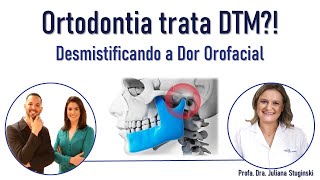
Exploring the minimal evidence linking dental occlusion features to temporomandibular disorders, suggesting occlusion should not be prioritized in TMD diagnosis and treatment. Insight from an expert in orofacial pain.
This video addresses common misconceptions about bruxism, including the limitations of the model plane approach. It emphasizes the importance of comprehensive treatment involving specialists and shares up-to-date…
Temporomandibular Disorders and Dental Occlusion A | PDF ...
News
doi: 10.1111/joor.12531. This article is protected by copyright. All rights reserved. ABSTRACT Aim: To answer a clinical research question: “is there any ...
De Oliveira - Gerontology - de Oliveira C - Accepted Version | PDF ...
News
doi:10.1111/joor.12531. Table 3. Unadjusted and adjusted logistic regression models for the factors Note: Ref = category of reference. You might also like.
Thanks to the authors of this study! #Oralmotorisnotnew ...
Facebook
doi: 10.1111/joor.12531. [Epub ahead of print] Temporomandibular disorders and dental occlusion. A systematic review of association studies: end of an era ...
 Á
Á YZ
YZ