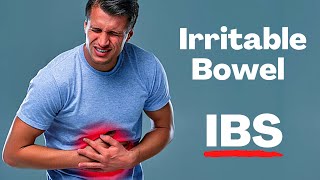
The discussions include references to scientific literature and practical advice, with comments emphasizing the importance of fiber intake and its types, like soluble versus insoluble, which influence symptoms. The tone varies from supportive to questioning, highlighting active engagement with the article's findings and implications.
AgreementModerate agreement
Most discussions acknowledge the importance of dietary fiber in managing IBS, with some referencing scientific literature and clinical advice.
InterestModerate interest
The posts show a moderate level of curiosity, with users discussing different types of fiber and seeking medical guidance, indicating genuine interest.
EngagementModerate engagement
Participants are sharing opinions, citing scientific sources, and debating the causes of IBS, demonstrating a fair depth of engagement.
ImpactModerate impact
The conversations could influence perceptions of fiber's role in IBS management, reflecting recognition of its significance in health discussions.
Abstract in brief
IBS is a chronic gastrointestinal disorder that is often linked to low dietary fiber intake, and increasing fiber intake is commonly recommended to help manage symptoms
Different types of dietary fiber have distinct effects: short-chain soluble fibers like oligosaccharides can produce rapid gas causing discomfort, while long-chain fibers like psyllium produce less gas and help reduce symptoms
Dietary fiber helps improve IBS by increasing fecal mass, stimulating the colon, and influencing gut health through fermentation; psyllium, in particular, is safe and beneficial, and fiber also offers additional health benefits like lowering cholesterol and regulating blood sugar
@YycBrody @Emlougar @Denielle425 Scientific literature suggests that IBS is caused by a deficient intake of fiber, but let’s address matters one at a time.
Your position seems to hold that humans don’t need fiber because we “can’t digest it.” Let’s focus on that line of reasoning.
https://t.co/tQdRzd6yiZ
@L_i_A_M_K @BasedZillenial @fatfreeoatmilk Yes but it's been shown that fiber intake let that be supplements or through non irritable vegetables helps
It also depends on the type of dietary fiber you consume but for that I would consult your doctor
Peer reviewed article
https://t.co/4ZDcQ12iXw
A complete look at causes, diagnosis, and treatment of IBS by expert Dr. William Chey. He explores how gut health influences mental well-being and highlights the connection between gastrointestinal issues and…
This episode explores the science-backed benefits of dietary fiber, including improved digestion, gut health, and overall wellness. We examine how different fibers impact conditions like irritable bowel syndrome and…
This video provides insight into the role of dietary fiber in managing IBS. It highlights the benefits of different fiber types, especially psyllium, which helps reduce symptoms and supports overall gut health.
In today's video, I analyze Mike Israetel's statements about the carnivore diet and present factual information based on current scientific research. The video fact-checks his claims and explores what the carnivore diet…
@L_i_A_M_K @BasedZillenial @fatfreeoatmilk Yes but it's been shown that fiber intake let that be supplements or through non irritable vegetables helps
It also depends on the type of dietary fiber you consume but for that I would consult your doctor
Peer reviewed article
https://t.co/4ZDcQ12iXw
@YycBrody @Emlougar @Denielle425 Scientific literature suggests that IBS is caused by a deficient intake of fiber, but let’s address matters one at a time.
Your position seems to hold that humans don’t need fiber because we “can’t digest it.” Let’s focus on that line of reasoning.
https://t.co/tQdRzd6yiZ
 T
T L
L