 AJ
Andre Augusto Jardim
@andrejardim01 · X
Optimal stride frequencies in running at different speeds https://t.co/A8tdDSzB94
Mar 5, 2019 · 253 followers
View post →
Mentions
Extended reach
Total likes
Video views
AI synopsis
The discussion demonstrates interest in how optimizing stride frequency could influence heart rate and running efficiency, exemplified by the question about making sense of the relationship. The tone is inquisitive and tentative, focusing on understanding the practical implications rather than strong opinions or critiques.
The posts show some curiosity about the relationship between cadence and heart rate, but do not explicitly agree or disagree with the findings.
There is moderate interest as the discussion revolves around optimizing running efficiency, which appeals to runners or sports scientists.
The discussions reflect initial curiosity and some questioning, indicating a level of thoughtful engagement but not deep analysis.
The conversation remains exploratory without suggesting significant immediate changes or breakthroughs stemming from the research.
Optimal stride frequencies in running at different speeds https://t.co/A8tdDSzB94
@JasonFitz1 Hi Jason. I just read an article about the relationship between stride frequency, stride length, speed and heart rate. How optimizing cadence without harming the heart rate? I hope this makes sense. https://t.co/A8tdDSzB94

Increasing cadence influences biomechanical demands, especially reducing knee loading. A 5-10 step/min increase can lower joint stress and injury risk, but effects vary across joints. Adjustments should be tailored to…
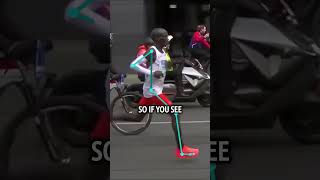
A higher cadence is not always better. The video discusses how different cadences at a similar pace impact heart rate, indicating energy cost. It highlights the concept of a sweet spot for optimal cadence, which varies…

@JasonFitz1 Hi Jason. I just read an article about the relationship between stride frequency, stride length, speed and heart rate. How optimizing cadence without harming the heart rate? I hope this makes sense. https://t.co/A8tdDSzB94
Optimal stride frequencies in running at different speeds https://t.co/A8tdDSzB94