 T
TTutorMD
@TheTutorMD · X
Iron and Vitamin D Levels among Autism Spectrum Disorders Children https://t.co/PWl3lIzlYp
Jul 19, 2024 · 1 like · 2,504 followers
View post →
Mentions
Extended reach
Total likes
Video views
AI synopsis
The overall tone reflects considerable interest in how nutritional deficiencies relate to autism, with comments like 'important findings' and calls to consider vitamin D supplementation, indicating active engagement. The tone alternates between supportive and analytical, emphasizing both the significance and practical implications of the study.
Most discussions acknowledge the study's findings, highlighting the connection between low iron and vitamin D levels and autism, with some explicitly agreeing that it supports existing theories.
The posts demonstrate high engagement with the topic, often delve into the implications for treatment, and express curiosity about nutritional interventions.
Participants reflect a genuine interest by discussing in depth the study’s methodology, suggesting potential for nutritional therapies, and sharing personal or clinical experiences.
The discussions reflect awareness of the research's potential influence on autism management and public health strategies, indicating meaningful impact.
Iron and Vitamin D Levels among Autism Spectrum Disorders Children https://t.co/PWl3lIzlYp
@DrNeilStone https://t.co/y0llrbcNDv https://t.co/zdwtjROoTJ https://t.co/yGE1H103rS https://t.co/jh3a7eldhf https://t.co/mVVWPfjooL

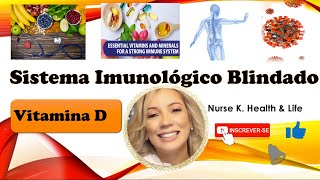

Vitamin D is essential for proper body function, influencing immunity and disease prevention. Combining vitamin K with vitamin D significantly enhances bone mineral density and overall bone quality, especially with…
@DrNeilStone https://t.co/y0llrbcNDv https://t.co/zdwtjROoTJ https://t.co/yGE1H103rS https://t.co/jh3a7eldhf https://t.co/mVVWPfjooL
Iron and Vitamin D Levels among Autism Spectrum Disorders Children https://t.co/PWl3lIzlYp
 N
N