✠ John Vincent ✞
@Peepeepbirdy · X
@AMAZlNGNATURE Siphonophores https://t.co/1WZE8x6tXZ
Apr 21, 2025 · 79 likes · 7 shares · 677 followers
View post →
Mentions
Extended reach
Total likes
Video views
AI synopsis
The group shows high interest through vivid descriptions and enthusiasm about creatures like siphonophores and jellyfish, with phrases such as 'stunning video' and 'so cool!!!' to emphasize fascination. This engagement is demonstrated by sharing videos, discussing size and behavior, and referencing the ecological roles, indicating that the article’s revelations about gelatinous predators resonate strongly within the community, though the perceived overall impact remains moderate.
Most posts express enthusiasm and support for the importance of gelatinous predators, aligning with the findings of the article.
The discussions reflect high curiosity about deep-sea creatures like siphonophores, jellyfish, and their ecological roles.
Many users reference specific species and share videos, indicating deep interest and active discussion about the article's content.
While the discussions highlight excitement, the overall influence on broader scientific or ecological awareness appears moderate.
@AMAZlNGNATURE Siphonophores https://t.co/1WZE8x6tXZ
Don’t bug me, I’m eating. @anelachoy @MBARI_News https://t.co/nIr9ipTqpS https://t.co/5bKlUkJVRg
SOLMISSUS! The dinner plate jelly is one of the ocean’s top predators https://t.co/D8aRA3lqC8 via @YouTube
Stunning #siphonophore video by @mbarinews.bsky.social ! youtu.be/lp4UNEvxoWo?...
The woolly siphonophore (Apolemia lanosa) is a shaggy species found deep in Monterey Bay. We often encounter the woolly siphonophore in a spiral coil dangling a curtain of tentacles. WATCH the latest video in our Animals of the Deep series: youtu.be/lp4UNEvxoWo
#SchoenesGegenDoofes https://t.co/NFl7EB33Uz
The deep sea appears barren and lifeless, yet it hosts complex life. Recent advancements in technology have enhanced our understanding of the deep sea food web, revealing the connections between isolated communities…
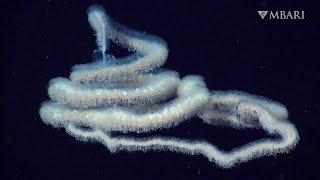
The woolly siphonophore Apolemia lanosa thrives in the ocean's midnight zone, reaching lengths of up to five meters. This gelatinous creature, known for its stunning tentacles, is vital to understanding deep-sea…
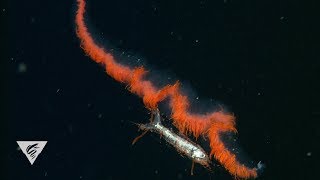
Recent research by the Monterey Bay Aquarium Research Institute enhances our knowledge of deep-sea feeding relationships. Analyzing 27 years of video footage from remote submersibles, scientists unveiled a complex food…

The dinner plate jelly, Solmissus sp, is one of the ocean's top predators. This jellyfish has an impressive diet, consuming various gelatinous animals. By swimming with its tentacles forward, it stealthily captures prey…

Wolfram Physics models the universe as a hypergraph, revealing their presence across various fields such as physics, chemistry, biology, and more. This video explores why hypergraphs are fundamental in understanding…
https://t.co/5bmqbA1iou
WOOLLY siphonophore goodness from @mbarinews.bsky.social youtu.be/lp4UNEvxoWo?...
youtu.be/lp4UNEvxoWo?...
https://t.co/vxew6C9PRN
내가 좋아하는 유튭채널https://t.co/FPG1of8MVs
Stunning #siphonophore video by @mbarinews.bsky.social ! youtu.be/lp4UNEvxoWo?...
RT @Peepeepbirdy: @AMAZlNGNATURE Siphonophores https://t.co/1WZE8x6tXZ
RT @Peepeepbirdy: @AMAZlNGNATURE Siphonophores https://t.co/1WZE8x6tXZ
RT @Peepeepbirdy: @AMAZlNGNATURE Siphonophores https://t.co/1WZE8x6tXZ
RT @Peepeepbirdy: @AMAZlNGNATURE Siphonophores https://t.co/1WZE8x6tXZ
RT @Peepeepbirdy: @AMAZlNGNATURE Siphonophores https://t.co/1WZE8x6tXZ
RT @Peepeepbirdy: @AMAZlNGNATURE Siphonophores https://t.co/1WZE8x6tXZ
@AMAZlNGNATURE Siphonophores https://t.co/1WZE8x6tXZ
https://t.co/3Csdh2cZAG "gelatinous drifters" lol same
나는 군체가 정말 좋다 ... https://t.co/C5cIzqQFBF
The dinner plate jelly is one of the ocean’s top predators https://t.co/3NHnzMFswV via @YouTube
RT @zebralover1114: The dinner plate jelly is one of the ocean’s top predators https://t.co/gFUMuuZtg8 via @YouTube
RT @echinoblog: SOLMISSUS! The dinner plate jelly is one of the ocean’s top predators https://t.co/D8aRA3lqC8 via @YouTube
RT @echinoblog: SOLMISSUS! The dinner plate jelly is one of the ocean’s top predators https://t.co/D8aRA3lqC8 via @YouTube
SOLMISSUS! The dinner plate jelly is one of the ocean’s top predators https://t.co/D8aRA3lqC8 via @YouTube
The dinner plate jelly is one of the ocean’s top predators https://t.co/gFUMuuZtg8 via @YouTube
https://t.co/I6Ytq9GI05
@bigger_chilling @Iast_dayz It’s a siphonophore!!!These bitches are crazy they can grow long af and are lined with these lil tentacles that kill any lil creatures that bump into them they’re so cool!!!! https://t.co/jyKxSk9EeU
And they can be HUGE!!! They’re carnivores that use tentacles to sting, trap, and inject their prey with toxins. Many of them are bioluminescent and use this to attract food https://t.co/onVPnjAyNl https://t.co/CQZ5wjujqi https://t.co/XwLWmi5ugd
https://t.co/hjngiWRSKr
https://t.co/AmAFyhgFJb
En los últimos años, muchos trabajos están poniendo a los organismos gelatinosos en una posición central de las redes de alimentación marina. (4/4) Entre ellos, estas dos bellezas
RT @TriPapSti: #SchoenesGegenDoofes https://t.co/NFl7EB33Uz
#SchoenesGegenDoofes https://t.co/NFl7EB33Uz
The woolly siphonophore (Apolemia lanosa) is a shaggy species found deep in Monterey Bay. We often encounter the woolly siphonophore in a spiral coil dangling a curtain of tentacles. WATCH the latest video in our Animals of the Deep series: youtu.be/lp4UNEvxoWo
Marriage by definition doth not allow independent dimensions https://t.co/TS657CsPBj
https://t.co/Puf5jZrRMZ https://t.co/9MZeU5rzHa
Exploring the Deep Sea Food Web https://t.co/9JXG6vRH4p μέσω @YouTube
RT @anelachoy: Food webs support ALL life in the sea. Going beyond big fish eating small fish w/our new paper - https://t.co/vB2ZQp1VU7 @be…
RT @naturalwfacts: Ever wondered who's the top predator of the deep sea? Or how life in the Abyss gets enough nutrients out of this barren,…
im rly vibing to this channel about deep sea facts. its a good time https://t.co/KNg49KVhA1
Exploring the Deep Sea Food Web https://t.co/QocZuZXKYN via @YouTube
RT @anelachoy: Food webs support ALL life in the sea. Going beyond big fish eating small fish w/our new paper - https://t.co/vB2ZQp1VU7 @be…
Ever wondered who's the top predator of the deep sea? Or how life in the Abyss gets enough nutrients out of this barren, sunless realm? Our latest film takes an in depth look at the food web of the deep ocean: https://t.co/Gx0EoDV3Kk
Today in marine bio @wheelerschool we continued a unit on marine food webs with work by @anelachoy on the deep pelagic food web. After working though a lot of background, my 10th graders held a great discussion on the meat of this paper! Next up: plastics https://t.co/t4fUZfL8Sa
@kurage_ya_lab https://t.co/wQ3MDfcfR5 この論文のFig4は #クラゲ がいかに重要な捕食者であるかを示しています。クラゲ一括りにせず、剛クラゲnarcomedusaやクダクラゲがいろんな動物を食べているのには注目!
RT @jellywatch: New study on deep-sea food webs: https://t.co/VReRLNHhwE https://t.co/0MRkt2ICLq
RT @anelachoy: Food webs support ALL life in the sea. Going beyond big fish eating small fish w/our new paper - https://t.co/vB2ZQp1VU7 @be…
RT @punkrocksnails: Don’t bug me, I’m eating. @anelachoy @MBARI_News https://t.co/nIr9ipTqpS https://t.co/5bKlUkJVRg
RT @punkrocksnails: Don’t bug me, I’m eating. @anelachoy @MBARI_News https://t.co/nIr9ipTqpS https://t.co/5bKlUkJVRg
RT @punkrocksnails: Don’t bug me, I’m eating. @anelachoy @MBARI_News https://t.co/nIr9ipTqpS https://t.co/5bKlUkJVRg
RT @punkrocksnails: Don’t bug me, I’m eating. @anelachoy @MBARI_News https://t.co/nIr9ipTqpS https://t.co/5bKlUkJVRg
Don’t bug me, I’m eating. @anelachoy @MBARI_News https://t.co/nIr9ipTqpS https://t.co/5bKlUkJVRg
RT @jellywatch: New study on deep-sea food webs: https://t.co/VReRLNHhwE https://t.co/0MRkt2ICLq
This jellyfish may be over 20 yrs old! Like old trees, jellies may serve as pillars of the open-ocean ecosystem. #DailyJelly Studies: Ecology: https://t.co/0M57JHKUge by anelachoy & https://t.co/LvHFjxmGcW Age: https://t.co/KpsdX0iBYN Video: https://t.co/M1a3QbysqW pic.twitt…