mess_child
@blessed_sus · X
The Psychology of Conspiracy Theories
Oct 9, 2024 · 65 likes · 1 share · 7,150 followers
View post →
Mentions
Extended reach
Total likes
Video views
AI synopsis
Participants showcase their reflections on the psychological motivations behind conspiracy theories, mentioning themes like the appeal of conspiracy for individuals craving certainty and control. For example, one post echoes the sentiment that people often gravitate towards conspiracy theories to maintain a positive self-image and social identity. Words such as 'interesting' and 'compelling' reveal an engaging tone, while references to academic works emphasize the discussions' intent to provoke thoughtful consideration rather than mere dismissal.
Many discussions respond positively to the publication, reflecting a consensus on its relevance and importance.
The majority of participants express a strong curiosity and desire to learn more about the psychological mechanisms behind conspiracy theories.
While several users share condensed information and opinions, the depth of engagement varies, with some exploring deeper implications of the findings, but less emphasis on personal experiences.
Many believe that understanding the psychological basis of conspiracy theories can have a significant effect on combating misinformation and enhancing critical thinking.
The Psychology of Conspiracy Theories
کتاب "The Psychology of Conspiracy Theories" توسط مایکل وود و کارن داگلاس و مقاله هایی مثل"Disinformation and Misinformation in the Digital Age" توسط دانا بوید میتونه به تحلیل این مورد کمک کنه
ワクチン/ユダヤ人/ビル・ゲイツ/製薬会社/NATO/etc、なぜ陰謀論のテーマは何十年、時に何百年も変わりばえしないのか。売れる陰謀論とは何か、陰謀論が持つべき「時代を超えた特徴」とその支持者の「時代を超えた属性」が議論されていました。マイアミ大学Uscinski教授。 1/ https://t.co/1VRgQG822Z
by powerful actors to engage in some sort of nefarious deeds (https://t.co/ET4WJ4r2cl). Since the Covid pandemic began, we’ve seen an onslaught of wild conspiracies, from people claims that C19 vaccines are magnetic (https://t.co/2FAor48uiN) & toxic (https://t.co/ho071FfDZX). 4/
conspiracy is claimed to be fabricated or too biased to be true (https://t.co/ET4WJ4r2cl). Belief in conspiracies is also associated with distress, impulsivity, negative affect, and lack of intellectual humility (https://t.co/3xEO6uKhQd). But the psychological correlates of 12/
7/ Conspiracies help establish a sense of connection in a lonely world. Social isolation and loneliness are rampant today – through conspiracy thinking, some people find a passionate tribe with shared beliefs. See: https://t.co/vND1LMFqYg

Conspiracy theories are gaining traction in today's society. This video examines the psychological motives that lead people to embrace these narratives, particularly during crises. Insights from experts shed light on…

Higher education is linked to a lower likelihood of believing in conspiracy theories. The study found that this relationship is influenced by belief in simple solutions, feelings of powerlessness, and subjective social…

Explore why conspiracies gain traction during crises, particularly their psychological roots in understanding the environment and maintaining social identity. This video delves into the motivations for believing in…

Join Cambridge Skeptics Live for a discussion on Flat Earth, focusing on the psychology behind its community. We will explore how beliefs can serve psychological needs, such as safety and social identity, while…

This video delves into the psychology of why people believe in conspiracy theories. It explores motives such as the need for understanding one's environment, feeling safe and in control, and maintaining a positive…


Conspiracy theories gain popularity due to psychological motives related to understanding one's environment and feeling safe. This video delves into the motivations behind these beliefs and highlights the need for…

Discover why people are drawn to conspiracy theories. This video examines the psychological motives behind these beliefs, including the desire for understanding, safety, and social identity. It also highlights the need…

This video explores the effects of climate change on marine ecosystems. It discusses how rising temperatures and ocean acidification threaten marine biodiversity, disrupting food chains and habitats. Join us as we…


Join Cambridge Skeptics Live for a discussion on the psychology of conspiratorial thinking. This talk investigates how psychological motives drive the popularity of conspiracy theories and examines their implications on…
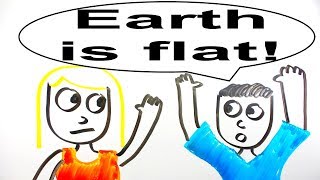

Exposure to intergroup conspiracy theories increases prejudice and discrimination across different groups, such as immigrants to Britain and Jewish people. The research shows conspiracy theories heighten negative…
Research on conspiracy theories has grown over the past decade, highlighting their impact on health, safety, and social relationships. They are driven more by negative emotions and psychological motivations than…

Why do so many people believe in conspiracy theories? This video explores how cognitive psychology and neuroscience shape our perception of reality, leading to belief in even the most absurd ideas. We will examine the…

Exposure to intergroup conspiracy theories increases prejudice and discrimination across different groups, such as immigrants to Britain and Jewish people. The research shows that conspiracy theories not only heighten…


The majority of people who believe in conspiracy theories are often victims of manipulation and fraud. This video delves into how these beliefs exploit human biases and insecurities, revealing why some individuals…
RT @Karen_Douglas:
Unpack the psychology of conspiracy theories and find out why people believe them. Learn about the cognitive biases and social dynamics that fuel these compelling narratives. www.imporinfo.com/2025/08/7-ra...
Unpack the psychology of conspiracy theories and find out why people believe them. Learn about the cognitive biases and social dynamics that fuel these compelling narratives. https://t.co/yywXYQyRxh
@scorpione197 @LucaMancus @Marcolisei Oppure questo? https://t.co/d2LjmdJJEW
Why Do People Believe Strange Things? | Psychology Today www.psychologytoday.com/us/blog/cutt... The psychology of conspiracy theories and nonsensical beliefs
Why Do People Believe Strange Things? | Psychology Today https://t.co/dxZAA9Gk2M The psychology of conspiracy theories and nonsensical beliefs
RT @KimberlyWhitw17: Illuminati, Freemasonry and the Psychology of Conspiracy Theories: Protecting the Craft - Pennsylvania Masons https://…
Illuminati, Freemasonry and the Psychology of Conspiracy Theories: Protecting the Craft - Pennsylvania Masons https://t.co/Da31UcKzUL
The Psychology of Conspiracy Theories - Karen M. Douglas, Robbie M. Sutton, Aleksandra Cichocka, 2017 https://t.co/ZJnci5qi1D
I'm looking forward to giving a Keynote on our work studying the psychology of conspiracy theories at this event
@james86468 @cturnbull1968 Why some people are willing to believe conspiracy theories https://t.co/rcK4tzBWeD The Mind of a Conspiracy Theorist | Psychology Today https://t.co/JiMoPDPR5r The Psychology of Conspiracy Theories - PMC https://t.co/tvbJqCjtGZ
@Uncoolnerdguy @EdwinRankin @DrNeilStone Human and organizational systems; basically meaningless. "My research interests are in the area of... the psychology of conspiracy theories and locus of control." Ludicrous.
@woerterbuch2020 @AndrewKaufmanMD I've read a bit about the psychology of conspiracy theories, and there are a number of research papers that seem to link one aspect of conspiracy theories together: the need for an explanation of the complex in the dangerous. https://t.co/zRxRXwKXIs
RT @briansharpless: Got a plug from @StyleWeekly! Thanks! https://t.co/D05V8o05MM @profsandpints #psychology #conspiracy
Got a plug from @StyleWeekly! Thanks! https://t.co/D05V8o05MM @profsandpints #psychology #conspiracy
I just published Flat Earth and Beyond: Unraveling the Psychology of Conspiracy Theories #ConspiracyTheory #FlatEarth #SocialPsychology #CriticalThinking #Misinformation https://t.co/RQ8l4xbAmH https://t.co/ePjA8nbpAB
@Brainsurfing22 @LambourneCarol @CombatingAutism I do look at the evidence y'all cite and it falls into one of three categories: made up, badly designed or a single point against a backdrop of millions of data points that say otherwise. You all have fallen into the psychology of conspiracy theories.
RT @Tony_Williams88: (14) The Psychology of Conspiracy Theories by Jan-Willem Prooijen Shows that belief in conspiracy theories arises fro…
Still the best movie about the psychology of conspiracy theories. https://t.co/yvUN70o5op
(14) The Psychology of Conspiracy Theories by Jan-Willem Prooijen Shows that belief in conspiracy theories arises from normal neurological processes such as threat perception and pattern perception #books #amreading #booktwt https://t.co/9goOYHbTuE
@guide2thegalaxy @OlofFlodin Du resonerar som någon som saknar en vetenskaplig kompetens och tror att anekdotisk bevisföring har ett värde. Ta del av forskningen (t ex The Psychology of Conspiracy Theories, 2019). Då får du lära dig att män oftare tror på konspirationsteorier. Män är sämre på denna punkt.
@svngsjeekies The Failure of Nonviolence by Peter Gelderloos
RT @aloha_aya: 陰謀論を信じることに関する心理学的な研究をレビューした下記論文の一部(認識論的、実存的、社会的動機による説明)を短くまとめたんだった。日本ではどうかな。The Psychology of Conspiracy Theories - Karen M.…
RT @aloha_aya: 陰謀論を信じることに関する心理学的な研究をレビューした下記論文の一部(認識論的、実存的、社会的動機による説明)を短くまとめたんだった。日本ではどうかな。The Psychology of Conspiracy Theories - Karen M.…
RT @aloha_aya: 陰謀論を信じることに関する心理学的な研究をレビューした下記論文の一部(認識論的、実存的、社会的動機による説明)を短くまとめたんだった。日本ではどうかな。The Psychology of Conspiracy Theories - Karen M.…
RT @aloha_aya: 陰謀論を信じることに関する心理学的な研究をレビューした下記論文の一部(認識論的、実存的、社会的動機による説明)を短くまとめたんだった。日本ではどうかな。The Psychology of Conspiracy Theories - Karen M.…
https://t.co/yUzfwyLSmi
https://t.co/mJB8xJgoE3 "The Psychology of Conspiracy Theories" 7/n
@DOGE__news Crazy Joe may find this helpful. He's got the critical thinking skills of a sloth. https://t.co/0CvW4gFclS https://t.co/i1SYdOHblD
@comedyanimator @jonathanstea @psychunseen I suspect conspiracy theory believers tend to overestimate their own cognitive capabilities. "deficiencies in available information, cognitive ability, and motivation to think critically" https://t.co/wevFX5UXgW
RT @AllOfItWNYC: Today: @TheAtlantic's @fhill_official & @NYTMag's Frances Dodds on Grandparenting; @Mattberninger's new album and local sh…
Today: @TheAtlantic's @fhill_official & @NYTMag's Frances Dodds on Grandparenting; @Mattberninger's new album and local shows; @DrSherylZiegler on modern puberty; @CNN's @donie O'Sullivan on the psychology of conspiracy theories Live at noon on 93.9 FM, AM820 or @WNYC.org https://t.co/WW8HmvCcQk
David Aaronovitch's "Voodoo Histories: The Role of the Conspiracy Theory in Shaping Modern History" is brilliant - good case study approach to outlining the psychology of conspiracy theories. Published before the rise of our current conspiracy theory hellscape, but quite prescient!
My capstone paper is an interdisciplinary research paper on the psychology of conspiracy theories
@DrNice2022 @BSmithBenS For recent books on conspiracy theories, including those about COVID-19 vaccines, consider these: 1. "The Psychology of Conspiracy Theories" by Karen Douglas (2018, updated editions) - Explores why people believe in conspiracies, relevant to vaccine distrust. 2. "Misinformation
RT @IntegralAnswers: 12/ Sources Cited • Douglas et al. (2017) https://t.co/YtyKwJVI6j • Romer & Jamieson (2020) https://t.co/HkgEizibiZ •…
RT @IntegralAnswers: 12/ Sources Cited • Douglas et al. (2017) https://t.co/YtyKwJVI6j • Romer & Jamieson (2020) https://t.co/HkgEizibiZ •…
12/ Sources Cited • Douglas et al. (2017) https://t.co/YtyKwJVI6j • Romer & Jamieson (2020) https://t.co/HkgEizibiZ • Cinelli et al. (2020) https://t.co/FtQlxbHmWI • Lewandowsky et al. (2012) https://t.co/9r9deHJPF3 • Imhoff & Lamberty (2020) https://t.co/E542YHUkjP
@JOttoPohl1 @stilljneal I find Josh Neal's focus on the 'psychology of conspiracy theories' to be a glaring red flag, like a resurrected inverted Hofstadter
The Psychology of Conspiracy Theories: Why People Believe the Unbelievable In an era of global connectivity and instant communication, conspiracy theories—claims that events or situations are secretly manipulated by powerful groups—have become increasingly widespread. From
"We will look at the psychology of conspiracy theories, the genres of conspiracy theories, features and recurring themes in conspiracy theories, and the current trends in (mostly) right-wing conspiracism.
"In this class, we are going to look at a variety of American conspiracy theories and hopefully demonstrate, in this world of Q-Anon and Pizzagate and purported UFO coverups, that there is very little new under the sun. We will look at the psychology of conspiracy theories, the genres of […]
https://t.co/sn7ZbumEMr
@dirk_fasshauer @zypisfy @astragal @keith_decent @IZMKS44 @anja_weimer @neda_meme @EFJ1980 @NatureofHistory @bitterclingerpa @Synyster63 @Bruh888888888 @jeffsmith0000 @TraitortR @RealDoctorT @momvogt1 @DogsBCool @Republicrat14 @Jennie_SC1 @8BrianVogel4 @RfkJrs @DeplorableNew @scottstocker4 @Vickie627 @OfRight1776 @Caperloo5 @CivilLost @TreatHunterDog @whagyjr @randomizer88996 @MolaRamLinux @VinceGottalotta @lulzyalldumbAF @HamRadioJoe @WhiteRonin614 @Booda_the_Great @noreprobates @Rebel_InUSA @ByronCAN76 @YvetteNary @cl1ntonserver @PlatoonOps @Coste1Costello @JimlikesBB @Sinner_Lilith @TeekeeMon @_CapitalOffense @EnrelChi @CleeseRaymond @Budleo_Morgan https://t.co/DrkJxNjyXG.
@AuthenticAKJR @Rainmaker1973 https://t.co/DrkJxNk6Ne.
One does not wake up thinking "today I will watch a near 3-hour video essay on the psychology of conspiracy theories", but here we are.
am i doing the meme right
RT @DrDanielJolley: I look forward to delivering a workshop today as part of @StanfordMed's Master Clinician Series on "The Psychology of C…
Conspiracy theories permeate the public consciousness like few other things do. But why are we obsessed with proving not everything is as it seems? https://t.co/ibHP6Ohkn5
@DavidSm03883961 @jacksonhinklle Take a few minutes to read the first chapter of Gerald Posner's "Case Closed". This joke is about the psychology of conspiracy theories in general. Anything is possible, but the lone gunman theory makes the most sense, especially if you examine the lives of the shooters.
“Researchers who study the psychology of conspiracy theories conclude that their spiraling popularity is the result of record levels of anxiety in contemporary society, coupled with widespread disenfranchisement and alienation.“ Add follow the money to this. 1) https://t.co/HIbCFU73ue
It's a disturbing fact, but an interesting window into the psychology of conspiracy theories. See evidence of a problem you don't want to deal with? Just pretend it's actually evidence of some made-up bullshit that you can easily fix with scapegoating and performative self-righteousness. Boom, done!
The Psychology of Conspiracy Theories https://t.co/OOhZrKN1f2 via @YouTube
@CatOutBag The Psychology of Conspiracy Theories - Douglas, K., M. Sutton, A. Cichocka, https://t.co/2mEjg6Vl1w #BalanceBudget
https://t.co/FfCXbmcUbD,)%2C%20existential%20(e.g.%2C%20the
@potential__sam @jimiuorio
The Psychology of Conspiracy Theories https://t.co/RJQchJYnzr via @YouTube
@lovintruckinUSA @mazemoore @AutismCapital https://t.co/9dA3rRZKzD
RT @DrDanielJolley: I look forward to delivering a workshop today as part of @StanfordMed's Master Clinician Series on "The Psychology of C…
I look forward to delivering a workshop today as part of Stanford Med's Master Clinician Series on "The Psychology of Conspiracy Theories vs Delusions: Bridging the Gap in Clinical Practice" with @richardbentall.bsky.social. Thanks for the invite! med.stanford.edu/inspire-trai...
I look forward to delivering a workshop today as part of @StanfordMed's Master Clinician Series on "The Psychology of Conspiracy Theories vs Delusions: Bridging the Gap in Clinical Practice" with @BentallProf. Thanks for the invite! https://t.co/cLNeHxzQL5 https://t.co/vIYWsxa33i
@NoDevotion1 @tomregenauer @berndharder -International Journal of law and psychiatry: Ritual abuse: A review https://t.co/tdrpigiuAU Verschwörungstheorien Harvard Kennedy School: The psychology of conspiracy theories https://t.co/VzcwKnutTl https://t.co/ossgCSaCIR: Viral conspiracy theories https://t.co/WL16X1hJRz
@NoDevotion1 @tomregenauer @berndharder Politico: TP’s political influence https://t.co/vhgzo4IaBZ) The New York Times: The Podesta Group and its ties to Russia https://t.co/Tq3sFDW5yk Rituelle Gewalt und Mind Control American Psychological Association: The psychology of conspiracy theories https://t.co/zQHLvni7Rj
@NoDevotion1 @tomregenauer theory went viral (https://t.co/fEd2DlH5JX) Vox: The rise and fall of Pizzagate (https://t.co/mMxSxu0KL3) Psychology Today: The Psychology of Conspiracy Theories (https://t.co/G8T7K9YtY1) Wissenschaftliche Studien Goertzel, T. (1994). Belief in conspiracy theories. Political
RT @nedaantijahl: کتاب "The Psychology of Conspiracy Theories" توسط مایکل وود و کارن داگلاس و مقاله هایی مثل"Disinformation and Misinformat…
RT @nedaantijahl: کتاب "The Psychology of Conspiracy Theories" توسط مایکل وود و کارن داگلاس و مقاله هایی مثل"Disinformation and Misinformat…
RT @nedaantijahl: کتاب "The Psychology of Conspiracy Theories" توسط مایکل وود و کارن داگلاس و مقاله هایی مثل"Disinformation and Misinformat…
RT @nedaantijahl: کتاب "The Psychology of Conspiracy Theories" توسط مایکل وود و کارن داگلاس و مقاله هایی مثل"Disinformation and Misinformat…
کتاب "The Psychology of Conspiracy Theories" توسط مایکل وود و کارن داگلاس و مقاله هایی مثل"Disinformation and Misinformation in the Digital Age" توسط دانا بوید میتونه به تحلیل این مورد کمک کنه
PDF Download The Psychology of Conspiracy Theories (The Psychology of Everything) pdf | Download here : https://t.co/1PfOrXt8mD https://t.co/ecFxMlxpNM
@shivon The Psychology of Conspiracy Theories Understanding why and how conspiracy theories gain traction could help in combating government misinformation, enhancing public education of gov historical misadventures and improving media literacy to allow people to see through propaganda
@shivon Plot twist. Results of the investigation into the "Psychology of Conspiracy Theories" reveals that autism is uncovering actual conspiracies.
PDF Read The Psychology of Conspiracy Theories (The Psychology of Everything).|DOWNLOAD HERE >>> https://t.co/mJ5lY5Pqzn https://t.co/1s5IXKijdF
The Psychology of Conspiracy Theories | Psychology Today https://t.co/b8YamFDrhl
I’m intrigued by the psychology of conspiracy theories.
@captainspold1ng @SadHillHunter @nathmalfait @laurenceide69 @2_expat @Acermendax @Chamchamat @barriere_dr @ChatSecouriste @lacolomberose J'ai trouvé celle-ci https://t.co/rHS1A0OnSG "It is possible, therefore, that conspiracy belief is a self-defeating form of motivated social cognition"
Da will man mal mit #ChatGPT arbeiten, um sich das Leben zu erleichtern und es stellt sich raus, dass ChatGPT 4o mini nicht einmal einen DOI korrekt abfragen kann.
The Psychology of Conspiracy Theories: Understanding the Cognitive and Social Factors Behind Widespread Beliefs – Dr. Ermshar & Associates - Pasadena Psychologists https://t.co/ZSMKUYpuHA
@weinorbit @_ralfschulz @TomJohn15394888 @bomanton @MmisterNobody The psychology of conspiracy theories is very interesting. In many ways it’s an act of looking for more meaning in life. It can give a sense of power and meaning.
The Psychology of Conspiracy Theories https://t.co/JQ2d6h7jA4 via @YouTube
@djjamesmonday Yup https://t.co/Lmfe5RFD4r
@leahprime A paper by Karen Douglas, “The Psychology of Conspiracy Theories”, lays out a compelling argument for why people believe in conspiracies. And with our political, environmental, and social environments, I can’t blame people who get lost in the sauce.
The Psychology of Conspiracy Theories https://t.co/pxclgBNcXZ via @YouTube
Some perspective on the ELmo following and The Psychology of Conspiracy Theories… pmc.ncbi.nlm.nih.gov/articles/PMC...
Conspiracy Theory Handbook digitalcommons.unl.edu/cgi/viewcont... Addressing conspiracy theories: what teachers need to know unesdoc.unesco.org/ark:/48223/p... The Psychology of Conspiracy Theories journals.sagepub.com/doi/10.1177/... Mis, Dis, and Mal Information Part 1, 2, 3 tr.ee/wVHSNdtEyA
RT @logos_id: Saya cukup geram melihat masifnya berita yang tidak dapat dipertanggungjawabkan. Kemudian, seorang teman mengirimkan kepada s…
Belief in #conspiracytheories is a widespread phenomenon influenced by a complex interplay of cognitive and social factors. https://t.co/BzWEpNzGUJ #DrAnnetteErmshar #Empowerment #selfcare #mentalhealthmatters #losangelestherapy #mentalHealth #askAnnette #DrErmshar
@jade_violence have u read the psychology of conspiracy theories by douglas and sutton? it’s on sage journals one of my personal faves
The Psychology of Conspiracy Theories https://t.co/np3LZy6DRI via @YouTube
The Psychology of Conspiracy Theories | Psychology Today https://t.co/jUc5vfouT9
RT @suzuki_takaya: ワクチン/ユダヤ人/ビル・ゲイツ/製薬会社/NATO/etc、なぜ陰謀論のテーマは何十年、時に何百年も変わりばえしないのか。売れる陰謀論とは何か、陰謀論が持つべき「時代を超えた特徴」とその支持者の「時代を超えた属性」が議論されていました。マ…
RT @suzuki_takaya: ワクチン/ユダヤ人/ビル・ゲイツ/製薬会社/NATO/etc、なぜ陰謀論のテーマは何十年、時に何百年も変わりばえしないのか。売れる陰謀論とは何か、陰謀論が持つべき「時代を超えた特徴」とその支持者の「時代を超えた属性」が議論されていました。マ…
ワクチン/ユダヤ人/ビル・ゲイツ/製薬会社/NATO/etc、なぜ陰謀論のテーマは何十年、時に何百年も変わりばえしないのか。売れる陰謀論とは何か、陰謀論が持つべき「時代を超えた特徴」とその支持者の「時代を超えた属性」が議論されていました。マイアミ大学Uscinski教授。 1/ https://t.co/1VRgQG822Z
RT @blessed_sus: The Psychology of Conspiracy Theories
The Psychology of Conspiracy Theories
Beware The Web Of Deception: The Psychology Of Conspiracy Theories — Understanding and tackling online conspiracy theory beliefs requires understanding three overlapping issues: (1) https://t.co/n7b0v2N1B3 https://t.co/2wLozaCnHl
The Psychology of Conspiracy Theories https://t.co/jdnRnZXNAX via @YouTube
@pandemic_de https://t.co/rWS44fskA7 Wenn du mal Langeweile hast, Sau interessante Studie zu der Thematik
The Psychology of Conspiracy Theories https://t.co/zsytCwVC69 via @YouTube
@BrianDunning There was a talk about the psychology of conspiracy theories at Edinburgh Science Festival a few years back, and the feeling was that if you are credulous enough for one wacky theory you will be on board with a whole raft of others...
The Psychology of Conspiracy Theories - https://t.co/RbfP5xpuU6
books about the psychology of conspiracy theories? https://www.booksns.com/88684/ Looking for nonfiction books that explain why people are so drawn to conspiracy theories. I was reading a reddit thread full of conspiracies and just thought….why are y'all like this? Lol. But I genuinely want to …
The Psychology of Conspiracy Theories — Plain English with Derek Thompson https://t.co/0BDVSPR6dJ
The Psychology of Conspiracy Theories — Plain English with Derek Thompson
The Psychology of Conspiracy Theories - Plain English with Derek Thompson https://t.co/yP1ZzmJn0f #podcast
Good ep this week, on why conspiracy theorist are usually in the same demographic The Psychology of Conspiracy Theories https://t.co/osdTsBXaYW
The Psychology of Conspiracy Theories #Conspiracytheories #Psychology https://t.co/4ntuKbGkgl
The Psychology of Conspiracy Theories https://t.co/4Z1x0tTEcT via @ringer
RT @PsydereVT: Journal club time!! Let's read about the psychology of conspiracy theories!
RT @PsydereVT: Journal club time!! Let's read about the psychology of conspiracy theories!
Journal club time!! Let's read about the psychology of conspiracy theories!
Journal club time!! Let's read about the psychology of conspiracy theories!
RT @DrCasteelEM: Med students should have at least one lecture on the psychology of conspiracy theories and include examples of common medi…
RT @DrCasteelEM: Med students should have at least one lecture on the psychology of conspiracy theories and include examples of common medi…
RT @DrCasteelEM: Med students should have at least one lecture on the psychology of conspiracy theories and include examples of common medi…
RT @DrCasteelEM: Med students should have at least one lecture on the psychology of conspiracy theories and include examples of common medi…
RT @DrCasteelEM: Med students should have at least one lecture on the psychology of conspiracy theories and include examples of common medi…
RT @DrCasteelEM: Med students should have at least one lecture on the psychology of conspiracy theories and include examples of common medi…
RT @DrCasteelEM: Med students should have at least one lecture on the psychology of conspiracy theories and include examples of common medi…
RT @DrCasteelEM: Med students should have at least one lecture on the psychology of conspiracy theories and include examples of common medi…
RT @DrCasteelEM: Med students should have at least one lecture on the psychology of conspiracy theories and include examples of common medi…
RT @DrCasteelEM: Med students should have at least one lecture on the psychology of conspiracy theories and include examples of common medi…
RT @DrCasteelEM: Med students should have at least one lecture on the psychology of conspiracy theories and include examples of common medi…
RT @DrCasteelEM: Med students should have at least one lecture on the psychology of conspiracy theories and include examples of common medi…
RT @DrCasteelEM: Med students should have at least one lecture on the psychology of conspiracy theories and include examples of common medi…
RT @DrCasteelEM: Med students should have at least one lecture on the psychology of conspiracy theories and include examples of common medi…
RT @DrCasteelEM: Med students should have at least one lecture on the psychology of conspiracy theories and include examples of common medi…
@VWolf83864177 @ResponseSirens oh, but they are already. Just two examples. https://t.co/j5yHqyJr9C https://t.co/k8vUyNSq0h
@TJatzke @bielich132 @lawen4cer https://t.co/c9PG5dHn1N Hier nochmal. Ist die Startquelle mit vielen subqueölen, subsubquellen usw. Hunderte verweisen, kein Gegenbeweis
@TJatzke @eherschwarz @lawen4cer Kein Problem https://t.co/c9PG5dHURl Und natürlich alle darin angegebenen Quellen deren Quellen usw Es sind also hunderte Beweise. Und es hibt nicht einen einzigen Gegenbeweis
RT @KaeptnKBOOM: Friendly Reminder, da die #RKIFiles rumgehen: Ihr könnt #Querdenker nicht zurückholen oder überzeugen. Nicht weil diese n…
Friendly Reminder, da die #RKIFiles rumgehen: Ihr könnt #Querdenker nicht zurückholen oder überzeugen. Nicht weil diese nicht wollen, sondern weil sie nicht können. Die sind verloren Ihr verschwendet eure Zeit und macht es nur schlimmer https://t.co/c9PG5dHn1N
RT @docrussjackson: People are attracted to conspiracy theories in an attempt to satisfy three psychological needs. They want more certaint…
RT @docrussjackson: People are attracted to conspiracy theories in an attempt to satisfy three psychological needs. They want more certaint…
Really crucial part of the psychology of conspiracy theories, pseudoscience, cults, MLMs, etc. They succeed by creating community. The way to fight them is to build community better.
RT @pratyasharath: https://t.co/07brxSkbsV Had read this article explaining motivations behind conspiracy theories, a few years back. The…
https://t.co/07brxSkbsV Had read this article explaining motivations behind conspiracy theories, a few years back. The ‘election is rigged’ idiots brought it back to memory. The authors identify ‘existential motivations’ behind these theories. You believe a lie just to survive
@Zoolander39 @Shannonleigh_21 @dead_kan85737 @_sarcasticcharm @sjs856 Here is some recommended reading. https://t.co/Piu2AVVRQA
@Brucedawg63 @KyleyNorman @amuse Not many tbh. Conspiracy theorists declaring them true doesn't actually make it so. Here, if you find yourself blindly believing everything you read, some self reflection may be in order dear. https://t.co/Piu2AVVRQA
I’m looking for books about the psychology of conspiracy theories and fringe groups https://www.booksns.com/53315/ I’ve watched Dan Olson’s videos on NFTs and the GME/apes thing and I found his dive into the psychology of the groups he talks about to be extremely interesting. Can anyone …
@Discernm3nt @3Space @ben_couchman @Censored4sure I like this paper . It’s about you . https://t.co/EM1B3h0o89
(1/3) Outstanding article about the psychology of conspiracy theories, and how there really are folks that sincerely believe in “flat theory.” Delves into some connections to religious faith as well. Don’t Believe What They’re Telling You About Misinformation by #ManvirSingh in #NewYorker (15 April
@gmh_2068 @newscomauHQ Here’s one study I was reading the other day, an interesting read. https://t.co/oLxPMJmzMt
@NeilDodsworth Fantastic reviews from leaders in the field here:
@BlairHealt68622 @RichardGage_911 Here’s a start: https://t.co/oJZ0AknWz9
RT @KennyGr61411855: If you can, read this. https://t.co/xUrbOpEvYF
If you can, read this. https://t.co/xUrbOpEvYF
RT @SkepticJonGuy: conspiracy is claimed to be fabricated or too biased to be true (https://t.co/ET4WJ4r2cl). Belief in conspiracies is als…
RT @SkepticJonGuy: by powerful actors to engage in some sort of nefarious deeds (https://t.co/ET4WJ4r2cl). Since the Covid pandemic began,…
conspiracy is claimed to be fabricated or too biased to be true (https://journals.sagepub.com/doi/10.1177/0963721417718261). Belief in conspiracies is also associated with distress, impulsivity, negative affect, and lack of intellectual humility...
by powerful actors to engage in some sort of nefarious deeds (https://journals.sagepub.com/doi/10.1177/0963721417718261). Since the Covid pandemic began, we’ve seen an onslaught of wild conspiracies, from people claims that C19 vaccines are magnetic...
conspiracy is claimed to be fabricated or too biased to be true (https://t.co/ET4WJ4r2cl). Belief in conspiracies is also associated with distress, impulsivity, negative affect, and lack of intellectual humility (https://t.co/3xEO6uKhQd). But the psychological correlates of 12/
by powerful actors to engage in some sort of nefarious deeds (https://t.co/ET4WJ4r2cl). Since the Covid pandemic began, we’ve seen an onslaught of wild conspiracies, from people claims that C19 vaccines are magnetic (https://t.co/2FAor48uiN) & toxic (https://t.co/ho071FfDZX). 4/
@ValentnKarmanl2 @CryptoStu3 It's possible in theory as well as in practice. Psychological studies already exist on people who believe in conspiracy theories: https://t.co/kHWrSTO9zr It's probably not for nothing
Brilliant PhilosophyTube episode on the politics and economics of the urban environment but also about the psychology of conspiracy theories. Massively recommended!
@FredricMorenius Tja, den växande skara som svartvitt hävdar invandringens ondo och S avsiktliga destruktion av Sverige ger förstås en tankeställare. ”…people who lack instrumental control may be afforded some compensatory sense of control by conspiracy theories” https://t.co/Obqd09SE3K
The Psychology of Conspiracy Theories
@ny_raiders @JoeBlowdaSKeymo @GRobLewis @lyou1086 @KeithOlbermann @EliseStefanik Sounds about right. It's also one of the reasons people believe conspiracies. A need to belong and feel special. https://t.co/vjJK6GVPhP
Happy to announce the upcoming lecture by Prof. @karendouglas.bsky.social on the psychology of conspiracy theories. Use the Zoom link in the comment below (GMT+1 timezone).
4)Identidad Social: Formar parte de un grupo que piensa diferente fortalece esa conexión social. 5)Psicología Cognitiva: Propensión a ver patrones o atribuir eventos a intenciones maliciosas, pueden contribuir a la aceptación de teorías. (https://t.co/SdryxIrM0a) +
Damit ihr Heute und in den kommenden Tagen Munition gegen Schwurbelnde Familienmitglieder im Magazin habt, hier 2 Werke (einmal kurz, einmal lang) die euch helfen sollten. Teilt es gern https://t.co/d7In3nOnxd https://t.co/c9PG5dHn1N
Now up, Karen Douglas on the psychology of conspiracy theories. #NBTT #BCN @unigroningen.bsky.social
7/ Conspiracies help establish a sense of connection in a lonely world. Social isolation and loneliness are rampant today – through conspiracy thinking, some people find a passionate tribe with shared beliefs. See: https://t.co/vND1LMFqYg
@GagaGavanski Psihologija je već objasnila težnju ka teorijama zavera, dobronameran savet, potražite jednog psihologa. Pomoći će vam. Nije sramota. https://t.co/xse4KTcKjh https://t.co/uyhhUFzqdl
@DraleLudi Ima ih gomila, samo jedan primer: https://t.co/xse4KTcKjh Pa onda studije navedene tu, pa onda neka od baza publikacija pa kljucne reci anxiety, conspiracy, psichology etc. https://t.co/bARZMXXC8b
@RightAvenger509 i’ve done my fair share of research into why people follow conspiracies. would recommend starting here https://t.co/S4yFa3r4Hi
@ArtyMartyGiles @TovaOBrien For those reading along, if you read the SciAm summary article above about the underlying psychological traits, you might recognise a few from this very thread. For a deeper dive into the actual underlying research, I recommend this: https://t.co/5eCzNo2eHG
@elonmusk https://t.co/f7HSsXszJK
The Psychology of Conspiracy Theories - Karen M. Douglas, Robbie M. Sutton, Aleksandra Cichocka, 2017 https://t.co/f7HSsXt7zi
@MeneerDeMuil 1) https://t.co/ab7q28Knxd 2) https://t.co/MLC1NPayKA 3) https://t.co/IPQbghJgtK #dontmentionthesunscreen
@BlackSw68378060 Well that sounds like more conspiracy mentality. It’s literally what the research shows. For example: https://t.co/oJZ0AkouoH
RT @aloha_aya: 陰謀論を信じることに関する心理学的な研究をレビューした下記論文の一部(認識論的、実存的、社会的動機による説明)を短くまとめたんだった。日本ではどうかな。The Psychology of Conspiracy Theories - Karen M.…
@fullsula @EvaLundberg20 @sdriks @ElsaWidding ”For example, people who lack instrumental control may be afforded some compensatory sense of control by conspiracy theories, because they offer them the opportunity to reject official narratives and feel that they possess an alternative account.” https://t.co/Obqd09SE3K
@AsywsB55734 @Alborihe_h_Abn @drhossamsamy65 بظبط و هناك اسباب اخرى The Psychology of Conspiracy Theories - SAGE Journals https://t.co/SVPw76ywqd
@jos5_minuta Ako te ozbiljno zanima, ovo je dobar rad. https://t.co/bAv4fdSq79
RT @aloha_aya: 陰謀論を信じることに関する心理学的な研究をレビューした下記論文の一部(認識論的、実存的、社会的動機による説明)を短くまとめたんだった。日本ではどうかな。The Psychology of Conspiracy Theories - Karen M.…
@cocube_ @DrPaoloMezzana Dagli studi sui complottisti emerge un profilo drammatico. Hanno problemi sociali, economici, epistemologici, e culturali. Sono persone disagiate che si rifugiano nel complotto per paura della realtà. Impossibile dialogarci. Lo studio più accreditato:⬇️ https://t.co/ppr91drqqg
@DJSPINtel @GerdtzW Textbook delusional system, Sparky. https://t.co/0CvW4gFclS https://t.co/k4WBokTdj2
@elidacomasio Il link di uno degli studi più accreditati sui complottisti. Emerge: ▪️disagio sociale e personale; ▪️scarsa cultura; ▪️negazione della realtà per paura. È inutile discutere o parlare con loro. Sono in una bolla protettiva da cui non possono uscire. https://t.co/ppr91drqqg
@TommyHansson6 ”For example, people who lack instrumental control may be afforded some compensatory sense of control by conspiracy theories, because they offer them the opportunity to reject official narratives and feel that they possess an alternative account.” https://t.co/Obqd09SE3K
@BenSing50334343 @SvenExenberger @tagesschau Google mal nach Karen M. Douglas. Oder van Prooijen. Oder F. Heider aus dem Jahr 1958. Allein dieses Standardwerk hier: https://t.co/g9Hcod4YyK Hat allein schon fast 50 Quellen die auch nochmal eigene Quellen haben usw. Es ist ein alter Hut, nichts ist neu, nichts wird wahr
@black67027 https://t.co/c9PG5dHn1N
RT @styh131582: 陰謀論に嵌る心理に興味があり論文を確認。 一つの動機として自分と自分の属する集団のよいイメージを維持できる。悪い結果を外部のせいにすることでイメージの維持に役立つ。社会的動機が達成できないと陰謀論に引き込まれるなどなど。 https://t.co…
Ihr wollt wissen wie das alles mit Verschwörungstheorien WIRKLICH funktioniert ? Also so richtig und kein "alles wird wahr"-blabla ? Kein Ding, 2 Links um in die Materie einzusteigen: https://t.co/aPmxiZnnDm https://t.co/c9PG5dHn1N
RT @DanCady: @Vulcan_hobo @MatthewWielicki Science marches on... https://t.co/0CvW4gFclS https://t.co/lMSNZUGKMa
@Vulcan_hobo @MatthewWielicki Science marches on... https://t.co/0CvW4gFclS https://t.co/lMSNZUGKMa
@JensRittmeier Du hast gesagt du brauchst sie nicht, das impliziert das du sie nicht kennst. Und deine Studien sind garkeine. (Aussage von KL) Das hier solltest du mal lesen, vielleicht geht dir dann mal ein Licht auf. Wie man damit umgeht weisst du ja bestimmt https://t.co/axyu5WwDjK
@Diegowan76 @PeterHotez Underscore 'outlandish'. https://t.co/0CvW4gFclS https://t.co/lmznS1huQI
@MHeilemeier @haintz_markus Das kommt drauf an wen man fragt. Pfahl-Traughber teilt es genauer ein aber meistens wird es versimpelt. Genauere Infos gibts hier : https://t.co/axyu5WwDjK
RT @docrussjackson: People are attracted to conspiracy theories in an attempt to satisfy three psychological needs. They want more certaint…
“What psychological factors drive the popularity of conspiracy theories, which explain important events as secret plots by powerful and malevolent groups? What are the psychological consequences of adopting these theories?” A paper…
RT @docrussjackson: People are attracted to conspiracy theories in an attempt to satisfy three psychological needs. They want more certaint…
People are attracted to conspiracy theories in an attempt to satisfy three psychological needs. They want more certainty, to feel in control, and maintain a positive image of their self and group. https://t.co/z7ESTDYTZE
These are the three main motives to consider. People want to (1) feel good about themselves and the groups they belong to (2) make sense of their environment (3) feel safe and in control (@Karen_Douglas, @alekscichocka & Sutton, 2017) https://t.co/y1c81Dvz7q
@AndrewIhor @DylanFrankJR @KariLake There are no facts to back up your claim. You are not well. Psychologists have studied deranged conspiracy theorists like yourself and can help you if you’ll reach out. Or you can eventually die from your delusional phobias like Diamond did. https://t.co/q0naDBSQdg https://t.co/lohFFQZ5SA
The Psychology of Conspiracy Theories - Karen M. Douglas, Robbie M. Sutton, Aleksandra Cichocka, 2017 https://t.co/sUhvb5IxMz
@FearNot1234 @cinnamon_suzi @MikeMcG61444580 @FergalBowers @rtenews Two things I encourage you to explore Occum's Razor and this https://t.co/SbEAuuRCJW
@strike386755357 @samburns25 @BretWeinstein “…psychology that props up any conspiracy theorists worldview.” https://t.co/5h3J7KJZYI
@AndrewStone7 @LearnAerosols @tbooth_98 @kamilkazani There’s no point going any further. De-radicalize yourself and start functioning https://t.co/2e28nwKlSc
RT @AmaiCmoon: Falls sich jemand etwas für Wissenschaft zu Verschwörungstheoretikern interessiert hier ein tolles Literatur-Review dazu, we…
RT @AmaiCmoon: Falls sich jemand etwas für Wissenschaft zu Verschwörungstheoretikern interessiert hier ein tolles Literatur-Review dazu, we…
@ericeager_ @Peter_Bukowski https://t.co/BpYwPb6h1N
@RossMcCann66 @tazalot1981 @Niall_Boylan na.. It is accurate, because conspiracy thinking can do a lot of damage (Jolly, 2015; Douglas 2019). https://t.co/bX3LaKniDF
@TheSGEM @UbakaOgbogu Idk if it’s true for most people, but the lit on conspiracy theorizing suggests people believe in conspiracies for comfort/status/etc https://t.co/Rw0TyasX0T
@FranceLumieres Interesting, maybe you are aware of this paper by Douglas et al.? https://t.co/xKWHMMLdA0 One factor that has drastically changed the disinformatio spread are social media platform algorithms. I recently published a paper about this: https://t.co/kgSU0GI9RS
@Aloha79000 Que no es teatro, mujer, pregunta a tu psicólogo, ya verás. https://t.co/RdDnoXteXR
@SubidonA Porque patatas... https://t.co/RdDnoXteXR
@vayaparidas @DelfinVela https://t.co/AB3UPn98Ce
For those trying to make sense of this thinking, back to @Karen_Douglas et al. Belief reasons are epistemic (sense-making of the world, internal consistency), existential (desire for control/security), social. "The Psychology of Conspiracy Theories" https://t.co/vBY8jXE5x7
@DylanReeve Fits the research. If their primary drivers for believing a conspiracy are epistemic & social, the core "don't trust the media" & "there's a secret world" beliefs will set them up for EVERYTHING else so they can remain (a) coherent (b) part of the team. https://t.co/vBY8jXE5x7
RT @KaeptnKBOOM: Infomaterial zum Umgang mit Querdenkern. Lesen und verstehen ! https://t.co/YYrkZF4gvh https://t.co/LQbo8yAPNk https://…
@AfDVerdachtfall Deswegen : https://t.co/vSYd9E8IZz
Infomaterial zum Umgang mit Querdenkern. Lesen und verstehen ! https://t.co/YYrkZF4gvh https://t.co/LQbo8yAPNk https://t.co/usUkpWmw13
@lusty4ever1 Sois un poco secta. Hacéis todas las preguntas con sesgo de confirmación, para que los sectarios solo digan sí, aumentando sentimiento grupal y creando una falsa sensación de control en lo que os rodea. Muy paradigmático. Este artículo os puede gustar: https://t.co/RdDnoXteXR
@Havlentia @rothschildmd hah! strangely there very little/no empirical support for Maslow's Hierarchy of needs - it's an interesting model, but people don't operate like that. I'm approaching it more from recent models understanding motivations behind CT belief (e.g., https://t.co/SkTQ7btY9O)
RT @2013_Sylvius: @MollyJongFast This is a nice exploration of the psychological foundations of conspiracy theories. A lot seems to be rela…
@MollyJongFast This is a nice exploration of the psychological foundations of conspiracy theories. A lot seems to be related to a difficulty adapting to and a reaction to changes in beliefs held as certainties. https://t.co/NRNWgrtKO0
I've been drawn into "why do people believe in conspiracy?" conversations. My postgrad degree in media theory/political psych is good for "do your own research"! Best introduction I recommend: "The Psychology of Conspiracy Theories" https://t.co/z1KtsLdO36 Thread 1/2
@Schadenfury @sfawcus From 2017 - interesting if inconclusive: https://t.co/gNgLYFUrJu
@Max_Sc https://t.co/LQbo8yAPNk Hier bitte, damit du auch mal Ahnung hast
@Poni30907334 Ich habe mal die einfachste Version rausgesucht : https://t.co/YYrkZF4gvh Falls mal dein Selbstbewusstsein nicht durch 200 Follower gestützt wird kannst ja auch mal bei Douglas reinschnuppern https://t.co/LQbo8yAPNk Jetzt geh mir aus der Sonne, hohlflitze
RT @duper_dann: the psychology of conspiracy theories https://t.co/sYa9Dk8fg5 #flatearth
the psychology of conspiracy theories https://t.co/sYa9Dk8fg5 #flatearth
Weiterhin wurde gezeigt, dass bereits eine kurze Konfrontation mit Verschwörungsnarrativen unser Verhalten beeinflusst, selbst, wenn wir nicht unbedingt daran glauben. (Douglas & Sutton, 2018). (5/9) https://t.co/GJIKJ3feII
@DawnHazelett @Resistchic @wryyn @ChrisMurphyCT @NRA Of course. It's all secret, and only a select few know "the truth." Do you remember Watergate? Pulitzer prize stuff there. There'd be no incentive not to report on a story like that. https://t.co/uFfpMhoW7k
@Peter_Fitz https://t.co/WZdlMNa0Xh
Tweeps, I'm looking for a graphic about different "tiers" of conspiracy theories, posted by a scientist. AFAIR, she studies the psychology of conspiracy theories. Does someone remember? I didn't save it and I would like to share it with someone! #FollowerPower
True False Believers: The Psychology of Conspiracy Theories | Psychology Today psychologytoday.com/blog/insight-t…
RT @pdiamandisii: Today we are discussing the #neuroscience of why people believe in #COVID19 #ConspiracyTheory and the #Plandemic. #corona…
Today we are discussing the #neuroscience of why people believe in #COVID19 #ConspiracyTheory and the #Plandemic. #coronavirus #brain #psychology #virus #theories #confirmation #bias https://t.co/VdIkW3mSSq
3/8 The next step: knowing the psychology of conspiracy theories (in brief) so you can spot AND deconstruct them, seeing their appeal to scared, uninformed (and unwell?) people in chaotic times like...
@QsThree @Judgenap @JudgeJeanine https://t.co/faHHnC9WC6
Really interesting take on conspiracy theories from the current issue of Current Directions in Psychological Sciences http://journals.sagepub.com/doi/pdf/10.1177/0963721417718261
Really interesting take on conspiracy theories from the current issue of Current Directions in Psychological Sciences http://journals.sagepub.com/doi/pdf/10.1177/0963721417718261
“A #blog by four #academic psychologists examining the #psychology of #conspiracy theories”: http://bit.ly/2hb6OZZ #cogSci #philMind #xPhi
Reflections on teaching the 'Psychology of conspiracy theories' http://wp.me/p2mYaK-7c
Reflections on teaching the 'Psychology of conspiracy theories' http://wp.me/p2mYaK-7c