 し
 E
 J
 P
 SA
Peixe Aranha | TikTok
TikTok
: https://doi.org/10.1186/s12983-018-0250-4 #aranha #aranhadomar #biologia #animais #animal #professor #mar #praia #oceano #aracnofobia · Suspense, horror ...
Dec 21, 2025
View →
Mentions
Extended reach
Total likes
Video views
AI synopsis
The group shows general support and curiosity about what the article reveals about sea spiders' feeding habits, with examples such as the praise for the diversity of their feeding behaviors and the mention of recent studies. Words like 'importance' and 'interest' underscore a positive reception, though the tone remains mostly exploratory rather than critically engaged.
Most discussions seem to acknowledge the importance of understanding sea spiders' feeding ecology, with some showing enthusiasm for the research.
Posts indicate a moderate level of interest, primarily among those curious about the feeding behaviors of these arthropods, but not an overwhelming passion.
Many comments are brief and focus on expressing reactions or sharing brief insights, suggesting some level of engagement but not deep analysis.
The overall discussions do not suggest a major shift in understanding or significant influence on broader scientific debates but reflect curiosity and recognition of the topic's scientific value.
@acroporanobilis https://t.co/gGaVK74Za7 フォロー外からですが失礼します。何を食べるかの論文はここにあると思います。 あまり自信は持てませんが、シマウミグモ属(Ammothea)だと思うので関連する種を確認してみるといいかもしれません。
Feeding ecology in sea spiders (Arthropoda: Pycnogonida): what do we know? https://t.co/Jy0vyIk8ZF
RT @ni075: 【メモ】ウミグモ類の食性 https://t.co/T35XrcJp6L
RT @EurekaMag: Feeding ecology in sea spiders (Arthropoda: Pycnogonida): what do we know? https://t.co/Jy0vyIk8ZF
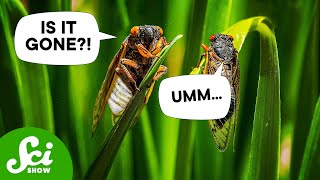
It feels like for an animal having one's butt fall off would be pretty bad. However, sea spiders challenge the belief that molting animals can't regenerate. Discover the unique ways these creatures adapt and survive in…


@acroporanobilis https://t.co/gGaVK74Za7 フォロー外からですが失礼します。何を食べるかの論文はここにあると思います。 あまり自信は持てませんが、シマウミグモ属(Ammothea)だと思うので関連する種を確認してみるといいかもしれません。
RT @EurekaMag: Feeding ecology in sea spiders (Arthropoda: Pycnogonida): what do we know? https://t.co/Jy0vyIk8ZF
RT @EurekaMag: Feeding ecology in sea spiders (Arthropoda: Pycnogonida): what do we know? https://t.co/Jy0vyIk8ZF
Feeding ecology in sea spiders (Arthropoda: Pycnogonida): what do we know? https://t.co/Jy0vyIk8ZF
RT @ni075: 【メモ】ウミグモ類の食性 https://t.co/T35XrcJp6L
: https://doi.org/10.1186/s12983-018-0250-4 #aranha #aranhadomar #biologia #animais #animal #professor #mar #praia #oceano #aracnofobia · Suspense, horror ...
: https://doi.org/10.1186/s12983-018-0250-4 #aranha #aranhadomar #biologia #animais #animal #professor #mar #praia #oceano #aracnofobia · Suspense, horror ...
: https://doi.org/10.1186/s12983-018-0250-4 #aranha #aranhadomar #biologia #animais #animal #professor #mar #praia #oceano #aracnofobia. |. photo ...
: https://doi.org/10.1186/s12983-018-0250-4 #aranha #aranhadomar #biologia #animais #animal #professor #mar #praia #oceano #aracnofobia · Suspense, horror ...
: https://doi.org/10.1186/s12983-018-0250-4 #aranha #aranhadomar #biologia #animais #animal #professor #mar #praia #oceano #aracnofobia. |. Humor sobre ...
: https://doi.org/10.1186/s12983-018-0250-4 #aranha #aranhadomar #biologia #animais #animal #professor #mar #praia #oceano #aracnofobia · Suspense, horror ...
Conheça os picnogônidos, as popularmente conhecidas como “aranhas-do-mar” mas que não são aranhas. : https://doi.org/10.1186/s12983-018-0250-4 #aranha ...
: https://doi.org/10.1186/s12983-018-0250-4 #aranha #aranhadomar #biologia #animais #animal #professor #mar #praia #oceano #aracnofobia. |. я-уже-не-тот ...
: https://doi.org/10.1186/s12983-018-0250-4 #aranha #aranhadomar #biologia #animais #animal #professor #mar #praia #oceano #aracnofobia ...
: https://doi.org/10.1186/s12983-018-0250-4 #aranha #aranhadomar #biologia #animais #animal #professor #mar #praia #oceano #aracnofobia.
: https://doi.org/10.1186/s12983-018-0250-4 #aranha #aranhadomar #biologia #animais #animal #professor #mar #praia #oceano #aracnofobia.
: https://doi.org/10.1186/s12983-018-0250-4 #aranha #aranhadomar #biologia #animais #animal #professor #mar #praia #oceano #aracnofobia ...
: https://doi.org/10.1186/s12983-018-0250-4 #aranha #aranhadomar #biologia #animais #animal #professor #mar #praia #oceano #aracnofobia ...
: https://doi.org/10.1186/s12983-018-0250-4 #aranha #aranhadomar #biologia #animais #animal #professor #mar #praia #oceano #aracnofobia ...
: https://doi.org/10.1186/s12983-018-0250-4 #aranha #aranhadomar #biologia #animais #animal #professor #mar #praia #oceano #aracnofobia.
: https://doi.org/10.1186/s12983-018-0250-4 #aranha #aranhadomar #biologia #animais #animal #professor #mar #praia #oceano #aracnofobia.
: https://doi.org/10.1186/s12983-018-0250-4 #aranha #aranhadomar #biologia #animais #animal #professor #mar #praia #oceano #aracnofobia ...
: https://doi.org/10.1186/s12983-018-0250-4 #aranha #aranhadomar #biologia #animais #animal #professor #mar #praia #oceano #aracnofobia.
: https://doi.org/10.1186/s12983-018-0250-4 #aranha #aranhadomar #biologia #animais #animal #professor #mar #praia #oceano #aracnofobia ...