 NC
nf-core
@nf_core · X
Benchmarking the @nf_core eager pipeline with 137 ancient human genomes
Nov 4, 2020 · 20 likes · 11 shares · 4,141 followers
View post →
Mentions
Extended reach
Total likes
Video views
AI synopsis
Discussions highlight the research’s importance, with posts praising its detailed genetic insights and suggesting that it reshapes understanding of Eurasian history; for example, references to the relationship between ancient peoples and comments on the study's role in unraveling population shifts demonstrate deep engagement. Tone varies from supportive to critical, emphasizing both the scientific significance and questions about historical identities.
Most discussions recognize the significance of the research, with some asserting a close relationship among ancient groups like the Huns, Turks, and Scythians, indicating general support for the findings.
The posts demonstrate high interest, referencing historical identities, methodologies, and implications for understanding Eurasian history.
Participants reference specific works, question identities, and discuss the research’s relevance, showing meaningful engagement.
The conversations suggest the study influences views on ancient migrations and cultural identities, though its broader societal impact remains moderate.
Benchmarking the @nf_core eager pipeline with 137 ancient human genomes
@Choulouchou Bu örnek (DA179) Türk Kağanlığı dönemine ait değil. Damgaard et al. 2018 (https://t.co/htzdSPf2ug) makalesinde yayınlanan bu örneğin karbon testi olmamakla birlikte 1000-1200 yıllarına tarihleniyor. Atandığı etnik ise Kıpçak, Göktürk değil.
Hyun Jin KIM, « The Huns, Rome and the birth of Europe », Cambridge University Press, 2013. Damgaard, P.d.B., Marchi, N., Rasmussen, S. et al. « 137 ancient human genomes from across the Eurasian steppes », Nature 557, 2018 pp. 369–374. https://t.co/7dnhkqpQr3
Not quite true but certainly related... Huns, Turks and Scythians were the same people
Huns, Turks and Scythians were the same people
@cerenpilevneli @YouTube Nature dergisinde şöyle bir makale var 2018de yayınlandı. "137 ancient human genomes from across the Eurasian steppes" https://t.co/LtbeaQ6fxt

This video presents the DNA test results of an elite Gokturk soldier, shedding light on their historical origins. The analysis is based on significant research, providing insights into the genetic history of Eurasia's…
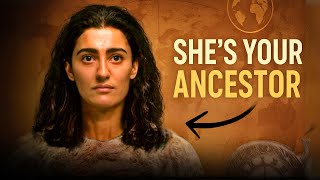
The primary ancestry of modern South Asians traces back to a blend of ancient hunter-gatherers from Iran and Southeast Asia. This video explores the genetic intermingling of populations that contributed to the ancestral…
@otukenyista @GokTurk_48 https://t.co/i3Ibp2kyca
@Indic_Vibhu https://t.co/wPyaQmcNvZ
@Choulouchou Bu örnek (DA179) Türk Kağanlığı dönemine ait değil. Damgaard et al. 2018 (https://t.co/htzdSPf2ug) makalesinde yayınlanan bu örneğin karbon testi olmamakla birlikte 1000-1200 yıllarına tarihleniyor. Atandığı etnik ise Kıpçak, Göktürk değil.
@dufrianord 137 ancient human genomes from across the Eurasian steppes https://t.co/ceIV2C0Gua
Hyun Jin KIM, « The Huns, Rome and the birth of Europe », Cambridge University Press, 2013. Damgaard, P.d.B., Marchi, N., Rasmussen, S. et al. « 137 ancient human genomes from across the Eurasian steppes », Nature 557, 2018 pp. 369–374. https://t.co/7dnhkqpQr3
RT @ancientjats: Huns, Turks and Scythians were the same people
RT @nf_core: Benchmarking the @nf_core eager pipeline with 137 ancient human genomes
RT @nf_core: Benchmarking the @nf_core eager pipeline with 137 ancient human genomes
RT @nf_core: Benchmarking the @nf_core eager pipeline with 137 ancient human genomes
RT @nf_core: Benchmarking the @nf_core eager pipeline with 137 ancient human genomes
RT @nf_core: Benchmarking the @nf_core eager pipeline with 137 ancient human genomes
RT @nf_core: Benchmarking the @nf_core eager pipeline with 137 ancient human genomes
RT @nf_core: Benchmarking the @nf_core eager pipeline with 137 ancient human genomes
RT @nf_core: Benchmarking the @nf_core eager pipeline with 137 ancient human genomes
RT @nf_core: Benchmarking the @nf_core eager pipeline with 137 ancient human genomes
RT @nf_core: Benchmarking the @nf_core eager pipeline with 137 ancient human genomes
Benchmarking the @nf_core eager pipeline with 137 ancient human genomes
@cerenpilevneli @YouTube Nature dergisinde şöyle bir makale var 2018de yayınlandı. "137 ancient human genomes from across the Eurasian steppes" https://t.co/LtbeaQ6fxt
Huns, Turks and Scythians were the same people
Not quite true but certainly related... Huns, Turks and Scythians were the same people
 Tع
 J
 J
 TK
 OÖ
 Yহ
 TA
 E
 A
 PT
 JE
 QS
 N
 MS
 S
 HP
 JS
 PE