 MH
 TP
 NW
 JR
Holistic Ali
Facebook
... 10.3389/fphar.2018.00521 https://doi.org/10.1016/j.foodchem.2023.135954 https://doi.org/10.3945/an.116.013219 https://doi.org/10.3390/molecules29061320 ...
Dec 13, 2025
View →
Mentions
Extended reach
Total likes
Video views
AI synopsis
The comments reflect strong interest and general agreement with the publication, referencing related research like the blood pressure effects of hibiscus tea, and encouraging further reading. The tone is curious and somewhat optimistic, but there is limited evidence of deep analysis or significant impact on practice or policy discussions.
Most discussions acknowledge the importance or potential benefits highlighted in the publication, with one explicitly stating that the paper is worth reading for additional benefits related to cardiovascular health.
Posts show high interest, referencing related studies like hibiscus tea's blood pressure effects and encouraging further exploration of the research's implications.
The discussions include brief summaries and personal reactions, such as noting the benefits or encouraging reading, indicating moderate engagement.
The overall influence seems moderate, with some posts linking the publication to broader cardiovascular health strategies but lacking in detailed critique or application examples.
2/ (cholesterol ester transfer protein and lecithin cholesterol acyl transferase), well worth reading the paper to see a whole host of other benefits in relation to CVD. https://t.co/1TfjEzUdQk
A clinical study in the Journal of Nutrition found that drinking three daily servings of hibiscus tea helped lower systolic blood pressure after six weeks compared with a placebo drink. More research is needed. https://t.co/rUv0RjhPXW https://t.co/UjP27hu1wd
Lycopene and Vascular Health https://t.co/6yUmoIV7UH https://t.co/bgJBcheoCu
RT @holmanm: 2/ (cholesterol ester transfer protein and lecithin cholesterol acyl transferase), well worth reading the paper to see a whole…
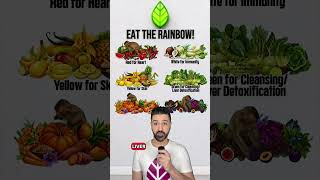
Ever wondered what eating the rainbow really means? Lycopene, a powerful antioxidant in tomatoes, may help reduce the risk of cardiovascular diseases by combating oxidative stress and inflammation. Ongoing research aims…

Lycopene, a carotenoid in red fruits like tomatoes and watermelon, may improve vascular health by acting as an antioxidant, reducing inflammation, lowering blood pressure, and preventing blood clots, aiding in…
A clinical study in the Journal of Nutrition found that drinking three daily servings of hibiscus tea helped lower systolic blood pressure after six weeks compared with a placebo drink. More research is needed. https://t.co/rUv0RjhPXW https://t.co/UjP27hu1wd
RT @holmanm: 2/ (cholesterol ester transfer protein and lecithin cholesterol acyl transferase), well worth reading the paper to see a whole…
2/ (cholesterol ester transfer protein and lecithin cholesterol acyl transferase), well worth reading the paper to see a whole host of other benefits in relation to CVD. https://t.co/1TfjEzUdQk
Lycopene and Vascular Health https://t.co/6yUmoIV7UH https://t.co/bgJBcheoCu
... 10.3389/fphar.2018.00521 https://doi.org/10.1016/j.foodchem.2023.135954 https://doi.org/10.3945/an.116.013219 https://doi.org/10.3390/molecules29061320 ...
doi: 10.3389/fphar.2018.00521. [ DOI ] [PMC free article] [PubMed] [Google Scholar ]. 379. Sawardekar S., Patel T., Uchil D. Comparative Evaluation of ...
... 10.3389/fphar.2018.00521 11 Lycopene: Chemistry, Biosynthesis, Health Benefits and Nutraceutical Applications 263. Nikolova MI, Prokopov TV (2013) ...
https://doi.org/10.3389/fphar.2018.00521 2011;45:925-40. https://doi.org/10.3109/10715762.2011.564168 [61] Böhm V. Lycopene and heart health. Mol Nutr Food ...
https://doi.org/10.3389/fphar.2018.00521 https://doi.org/10.1016/j.foodchem.2023.135954 https://doi.org/10.3945/an.116.013219 https://doi ...
... 10.3389/fphar.2018.00521 https://doi.org/10.1016/j.foodchem.2023.135954 https://doi.org/10.3945/an.116.013219 https://doi.org/10.3390 ...
https://doi.org/10.3389/fphar.2024.1390419 https://doi.org ... https://doi.org/10.3389/fphar.2018.00521 https://doi.org/10.1016/j ...
https://doi.org/10.3389/fphar.2018.00521 https://doi.org/10.1016/j.foodchem.2023.135954 https://doi.org/10.3945/an.116.013219 https://doi ...
... 10.3389/fmicb.2021.685027/full https ... fphar.2018.00521 https://doi.org/10.1016/j.foodchem.2023.135954 ...
... 10.3389/fmicb.2021.685027/full https ... https://doi.org/10.3389/fphar.2018.00521 https://doi.org/10.1016/j ...
... 10.3389/fphar.2018.00521 https ... 10.3389/fphar.2018.00521 https://doi.org/10.1016/j.foodchem.2023.135954 ...
https://doi.org/10.3389/fphar.2018.00521 https://doi.org/10.1016/j.foodchem.2023.135954 https://doi.org/10.3945/an.116.013219 https://doi ...
... 10.3389/fphar.2018.00521 https://doi.org/10.1016/j.foodchem.2023.135954 https://doi.org/10.3945/an.116.013219 https://doi.org/10.3390 ...
https://doi.org/10.3389/fphar.2018.00521 https://doi.org/10.1016/j.foodchem.2023.135954 https://doi.org/10.3945/an.116.013219 https://doi ...
... 10.3389/fphar ... https://doi.org/10.3389/fphar.2018.00521 https://doi.org/10.1016/j ...
Photo shared by FOOD OVER DRUGS on October 23, 2025 tagging @erewhon. May. erewhon.
... 10.3389/fphar.2018.00521 https://doi.org/10.1016/j.foodchem.2023.135954 https://doi.org/10.3945/an.116.013219 https://doi.org/10.3390 ...
https://doi.org/10.3389/fphar.2018.00521 https://doi.org/10.1016/j.foodchem.2023.135954 https://doi.org/10.3945/an.116.013219 https://doi ...
... 10.3389/fphar.2018.00521 • Kapala, A., Szlendak, M., & Motacka, E. (2022). The anti-cancer activity of lycopene: A systematic review of ...
org/10.3389/fphar.2018.00521 • Kapala, A., Szlendak, M., & Motacka, E. (2022). The anti-cancer activity of lycopene: A systematic review of ...
... 10.3389/fphar.2018.00521 • Kapala, A., Szlendak, M., & Motacka, E. (2022). The anti-cancer activity of lycopene: A systematic review of ...
org/10.3389/fphar.2018.00521 • Kapala, A., Szlendak, M., & Motacka, E. (2022). The anti-cancer activity of lycopene: A systematic review of ...
Lycopene and vascular health. Frontiers in Pharmacology, 9, 521. https://doi.org/10.3389/fphar.2018.00521 • Kapala, A., Szlendak, M ...
... benefits of lycopene https://www.frontiersin.org/journals/pharmacology/articles/10.3389/fphar.2018.00521/full · inspiringpineapple. • 8mo ago.
... 10.3389/fphar.2018.00521 https://doi.org/10.1016/j.foodchem.2023.135954 https://doi.org/10.3945/an.116.013219 https://doi.org/10.3390 ...
... 10.3389/fnut.2025.1550880 https://doi.org/10.3390/foods14132315 ... fphar.2018.00521 https://doi.org/10.1016/j.foodchem.2023.135954 ...
... 10.3389/fphar.2018.00521 https://doi.org/10.1016/j.foodchem.2023.135954 https://doi.org/10.3945/an.116.013219 https://doi.org/10.3390 ...
... 10.3389/fneur.2023.1169795 https://doi.org/10.1111/j.1468-2982.2007 ... fphar.2018.00521 https://doi.org/10.1016/j.foodchem.2023.135954 ...
... (2018). Lycopene and Vascular Health. Frontiers in pharmacology, 9, 521. https://doi.org/10.3389/fphar.2018.00521".
... 10.3389/fphar.2018.00521 https://doi.org/10.1016/j.foodchem.2023.135954 https://doi.org/10.3945/an.116.013219 https://doi.org/10.3390 ...
org/10.3389/fphar.2018.00521 • Kapala, A., Szlendak, M., & Motacka, E. (2022). The anti-cancer activity of lycopene: A systematic review of ...
... 10.3389/fneur.2023.1169795 https://doi.org/10.1111/j.1468-2982.2007 ... fphar.2018.00521 https://doi.org/10.1016/j.foodchem.2023.135954 ...
... 10.3389/fphar.2018.00521 https://doi.org/10.1016/j.foodchem.2023.135954 https://doi.org/10.3945/an.116.013219 https://doi.org/10.3390 ...