Examples include comments highlighting how the publication underscores the necessity of careful dosing and monitoring, reflecting high interest and moderate engagement. The tone suggests respect for the scientific findings, but with a cautious outlook on current clinical applications, emphasizing the ongoing need for research and safety considerations.
AgreementModerate agreement
Most discussions recognize the importance of understanding cannabinoid effects, aligning with the article's emphasis on safety and pharmacology.
InterestHigh interest
The discussions show high interest, with users engaging deeply by referencing the need for cautious prescribing and further research.
EngagementModerate engagement
Posts include references to scientific studies and implications for medical use, indicating moderate but meaningful engagement.
ImpactModerate impact
The discussions suggest the article influences perceptions about safe use and the need for more evidence, though it doesn't appear to shift widespread opinions drastically.
Abstract in brief
There is growing interest in using cannabinoids like THC and CBD for managing diseases and symptoms, but there’s not enough information on their effects and how they're processed in the body to help doctors prescribe them safely.
Cannabis can cause harmful effects, especially in patients with serious health conditions like psychiatric or cardiovascular illnesses, and requires careful monitoring of drug interactions and side effects.
A cautious prescribing strategy, such as starting with low doses and adjusting slowly based on patient response, is essential, alongside a call for more clinical studies to improve understanding and safety of these treatments.
Reference: Lucas CJ, Galettis P, Schneider J. The pharmacokinetics and the pharmacodynamics of cannabinoids. Br J Clin Pharmacol 2018. Epub ahead of print. doi:10.1111/bcp.13710 https://t.co/o9MGVjleKH
This video explores how alcohol, weed, and nicotine impact brain health, covering absorption, effects, and potential risks. It emphasizes the importance of cautious use and ongoing research to ensure safe consumption.
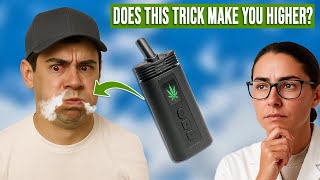
Does holding your breath after a toke really get you higher? This video analyzes the science behind inhalation techniques and THC absorption, including lung-to-brain pathways and simulation findings, to promote smarter…
The pharmacokinetics and the pharmacodynamics of cannabinoids. https://t.co/SiDfpqxh4P
Nov 15, 2019 · 1 like · 4,002 followersView post →
PN
Pot Or Not
@Pot_OrNot · X
Reference: Lucas CJ, Galettis P, Schneider J. The pharmacokinetics and the pharmacodynamics of cannabinoids. Br J Clin Pharmacol 2018. Epub ahead of print. doi:10.1111/bcp.13710 https://t.co/o9MGVjleKH
Fvets 11 1352495 | PDF | Tetrahydrocannabinol | Dose (Biochemistry)
News
doi: 10.1111/bcp.13710 18. Pamplona FA, da Silva LR, Coan AC. Potential clinical benefits of CBD-rich 9. Schwark WS, Wakshlag JJ. A one health perspective ...
Essentials: Cannabis Use Disorder: Prevalence and Consequences ...
News
The pharmacokinetics and the pharmacodynamics of cannabinoids. British journal of clinical pharmacology, 84(11), 2477–2482. https://doi.org/10.1111/bcp.13710 • ...
Synthetic transdermal cannabidiol for 2482; doi: 10.1111/bcp.13710 the treatment of knee pain due to osteoarthritis. Osteoarthritis Cartilage 116. MacCallum ...
 C
 PN
 AA
 C
 M

 DM
 TR