Jean Peccoud
@peccoud · X
@alexisohanian And a link to the peer-reviewed article https://t.co/LCgM8csOus
Apr 8, 2019 · 2,043 followers
View post →
Mentions
Extended reach
Total likes
Video views
AI synopsis
Discussions express support for the idea that regulatory barriers, rather than patents, are the main obstacle to insulin innovation, as seen in the mention that the problem involves the FDA and insurance companies. Some participants demonstrate interest by referencing accessible scientific journals and the potential for biohacking, reflecting a desire for broader understanding. The tone balances critique with encouragement for alternative approaches, using words like 'thinking and acting differently' and 'more boldly' to convey enthusiasm and a call for change.
Most discussions acknowledge the critique of regulatory and patent systems, with some supporting the idea that the problem lies with institutions like the FDA and insurance companies rather than patents themselves.
The topic of open-source insulin production and biohacking sparks high curiosity, especially with mentions of accessing scientific journals and the potential for innovative approaches.
Participants reference specific concepts such as biohacking, insulin manufacturing, and legal hurdles, indicating a moderate level of involved discussion, but not extremely deep or technical engagement.
While the discussions highlight significant issues like drug affordability and regulation, they mainly focus on raising awareness and advocating for changes rather than directly influencing policy or practice.
@alexisohanian And a link to the peer-reviewed article https://t.co/LCgM8csOus
The library has access to hundreds of journals...including Cell! Learn about the project to biohack & home brew insulin, using the Mohawk College Library's access: https://t.co/HzF6Pmu0T7. Or you can browse through journals by subject here! https://t.co/lLUM4ioOKt
Healthare innovation for our times - thinking and acting differently, more boldly - #insulin manufacturing: https://t.co/EXH0CgNtmc
@ctr477 @AOC an old fashioned needle and syringe is not patented the problem here is with the FDA and the insurance companies, not patents https://t.co/bzgTlU7alv
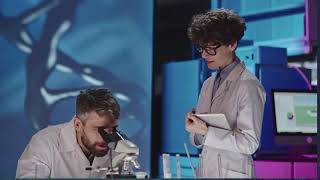
The Open Insulin Project aims to develop open-source methods for affordable insulin production, challenging traditional models. Despite regulatory challenges focusing on safety, its success could revolutionize…

The Open Insulin Project aims to create accessible, open-source insulin production methods, challenging patent restrictions and traditional drug development. Despite regulatory hurdles, success could revolutionize…

The Open Insulin Project aims to develop open-source insulin production methods to reduce costs and dependency on patents. Despite regulatory challenges, success could enable home-based insulin synthesis, prompting a…
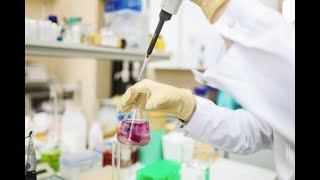
The Open Insulin Project aims to produce affordable insulin through open-source methods, challenging traditional drug models. The project faces hurdles due to US regulations focused on safety rather than patent issues…
@ctr477 @AOC an old fashioned needle and syringe is not patented the problem here is with the FDA and the insurance companies, not patents https://t.co/bzgTlU7alv
Healthare innovation for our times - thinking and acting differently, more boldly - #insulin manufacturing: https://t.co/EXH0CgNtmc
The library has access to hundreds of journals...including Cell! Learn about the project to biohack & home brew insulin, using the Mohawk College Library's access: https://t.co/HzF6Pmu0T7. Or you can browse through journals by subject here! https://t.co/lLUM4ioOKt
@alexisohanian And a link to the peer-reviewed article https://t.co/LCgM8csOus