hull_wifi447
@hullwifi44766 · X
Genomic history of the Sardinian population https://t.co/JAJztCURpg https://t.co/Mk5V1SdGyF
Aug 20, 2024 · 617 followers
View post →
Mentions
Extended reach
Total likes
Video views
AI synopsis
This collection of discussions reflects strong interest and moderate engagement, with examples such as mentions of WHG and Neolithic farmers, as well as the specific timeline of early Sardinian residents, which demonstrate curiosity about ancestral connections and the use of detailed historical references. The tone varies from informative to speculative, emphasizing the fascination with genetic heritage and archaeological implications.
Most posts acknowledge the significance of the findings, with comments noting the links between Sardinian genetics and ancient European populations, reflecting general agreement.
Posts demonstrate high interest by discussing detailed genetic connections, referencing specific ancient groups like WHG and Neolithic farmers, indicating curiosity and engagement.
The discussion includes references to specific individuals and cultures, showing moderate depth and active participation in interpreting the data.
While some posts highlight the importance of understanding population history, the overall discussions are preliminary, suggesting a moderate perceived impact.
Genomic history of the Sardinian population https://t.co/JAJztCURpg https://t.co/Mk5V1SdGyF
Genomic history of the Sardinian population. https://t.co/8qFm2IAg2R
Genetic similarities between a Western Hunter Gatherer (Loschbour Man), present day Sardinians and a Neolithic farmer (LBK culture) found in Stuttgart, Germany and modern populations https://t.co/393Aai8Zxa https://t.co/p8ZuXjzPRK https://t.co/11nL8KJZOb https://t.co/Dcw7qQmNoy
@russian_cosmist @Blastytv btw, he's WHG, who are closest to Europeans and Cheddar Man's closest descendant is an English man https://t.co/393Aai8Zxa https://t.co/oe9d1xzRWx https://t.co/25EQ91sJFQ https://t.co/ty1Qfo5omF

The genetic history of Sardinia indicates that the island was initially populated during the Neolithic period by groups from southern Europe, and remained genetically isolated for much of prehistory. Ancient DNA…
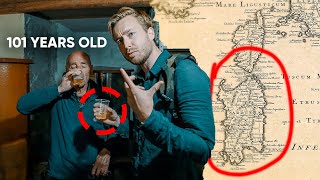
Social relationships and physiological health are strongly linked to longevity, affecting markers like blood pressure and inflammation. The study highlights the importance of social connections for long-term well-being…

Genomic history of the Sardinian population https://t.co/JAJztCURpg https://t.co/Mk5V1SdGyF
Genetic similarities between a Western Hunter Gatherer (Loschbour Man), present day Sardinians and a Neolithic farmer (LBK culture) found in Stuttgart, Germany and modern populations https://t.co/393Aai8Zxa https://t.co/p8ZuXjzPRK https://t.co/11nL8KJZOb https://t.co/Dcw7qQmNoy
@russian_cosmist @Blastytv btw, he's WHG, who are closest to Europeans and Cheddar Man's closest descendant is an English man https://t.co/393Aai8Zxa https://t.co/oe9d1xzRWx https://t.co/25EQ91sJFQ https://t.co/ty1Qfo5omF
Genomic history of the Sardinian population - “potential earliest residents arrived in Sardinia ~14,000–18,000 years ago” https://t.co/kkWBRxe3sZ
Genomic history of the Sardinian population. https://t.co/8qFm2IAg2R