Discussions underscore the importance of the study, citing its recognition with the Pfizer prize and its role in predicting treatment response, with language like 'promising marker' and 'correlates with better outcomes', which reflect a strong endorsement and curiosity about clinical relevance and future applications.
AgreementStrong agreement
All discussions recognize the significance of HLA-DR as a predictor for chemotherapy response, showing strong consensus.
InterestHigh interest
The posts are highly engaged with the topic, highlighting the clinical implications and potential for improving treatment outcomes.
EngagementHigh engagement
Multiple messages reference the original research findings and its awards, indicating deep interest and understanding.
ImpactHigh impact
The emphasis on the potential for personalizing breast cancer treatment and the recognition through awards underscore the high impact of the research.
Abstract in brief
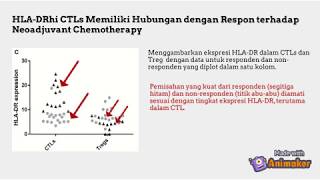
The study finds that the activation state of cytotoxic T lymphocytes (CTLs), indicated by HLADR expression, is a better predictor of breast cancer patients' response to neoadjuvant chemotherapy (NACT) than just the presence of CTLs themselves.
Patients without axillary lymph node metastasis who have high HLADR levels in their tumor CTLs tend to respond better to NACT, and these HLADR levels in tumor CTLs are also reflected systemically, which could allow for easier blood tests.
HLADR-positive CTLs produce immune molecules like IFN and Granzyme B, indicating they are actively fighting the tumor, and higher HLADR in CTLs is associated with lower levels of immunosuppressive cells, making HLADR a promising marker for personalizing breast cancer treatment.
The presence of HLA-DR on T cells of patients with #breastcancer correlates with better outcome after neoadjuvant #chemotherapy
https://t.co/3utFeSvFk6
#immunology
#Immunotherapy
Feb 25, 2019 · 4 likes · 3 shares · 598 followersView post →
TL
Tissue Repair and Inflammation Lab
@The_TRI_Lab · X
Saraiva et al 2018, ‘HLA-DR in Cytotoxic T Lymphocytes Predicts Breast Cancer Patients' Response to Neoadjuvant Chemotherapy’ was distinguished with @pfizer prize 2019.
This study highlights that HLADR expression in cytotoxic T lymphocytes is a better predictor of breast cancer response to chemotherapy than CTL presence alone. High HLADR levels correlate with improved responses and…
This video discusses the activation of cytotoxic T lymphocytes marked by HLA-DR expression as a predictor of breast cancer patients' response to neoadjuvant chemotherapy, highlighting its potential for personalized…
Saraiva et al 2018, ‘HLA-DR in Cytotoxic T Lymphocytes Predicts Breast Cancer Patients' Response to Neoadjuvant Chemotherapy’ was distinguished with @pfizer prize 2019.
RT @immunicom: The presence of HLA-DR on T cells of patients with #breastcancer correlates with better outcome after neoadjuvant #chemother…
Mar 1, 2019 · 3 shares · 33,102 followersView post →
IA
Immune Advisors
@Immuneadvisors · X
RT @immunicom: The presence of HLA-DR on T cells of patients with #breastcancer correlates with better outcome after neoadjuvant #chemother…
Feb 26, 2019 · 3 shares · 1,744 followersView post →
I
Immunicom
@immunicom · X
The presence of HLA-DR on T cells of patients with #breastcancer correlates with better outcome after neoadjuvant #chemotherapy
https://t.co/3utFeSvFk6
#immunology
#Immunotherapy
Feb 25, 2019 · 4 likes · 3 shares · 598 followersView post →