The discussion highlights that mindfulness can be beneficial but also pose risks when improperly used, as shown by references to high dropout rates and misuse. The tone and focus on practical issues and personalized application suggest moderate engagement and a nuanced view of its overall impact.
AgreementModerate agreement
The discussion reflects some agreement that mindfulness has benefits but also potential downsides, as indicated by the statement that mindfulness 'certainly benefits some' but 'may be harmful to others.'
InterestModerate interest
Participants show a modest interest, focusing on practical implications like unmet needs and correct usage, rather than deep theoretical debate.
EngagementModerate engagement
Comments demonstrate engagement through specific concerns about dropout rates and the proper frequency of practice, implying thoughtful consideration.
ImpactModerate impact
The conversation hints at meaningful implications for how mindfulness practices should be tailored, suggesting some recognition of its broader significance.
Abstract in brief
This research explores whether mindfulness practices can have both positive and negative effects depending on the context, suggesting that mindfulness might not always be beneficial if overused.
It examines various mindfulness-related processes like mindful attention, emotion regulation, and meditation, to see if their effects follow a non-linear or inverted U-shaped pattern, meaning they can become less effective or even harmful if pushed too far.
Understanding the boundary conditions where mindfulness might turn from helpful to problematic could help improve mindfulness-based interventions, making them more effective and tailored to individual needs.]
@cjauquet @LincolnMotorCo Although they certainly benefit some, they also may be harmful to others, e.g. through unmet/unmatched need (dropout for selfhelp apps is very high; https://t.co/HgxfpZNkkA), or by incorrect (frequency of) use of mindfulness as a practice (https://t.co/Nus1kLku2Z), just to name 2
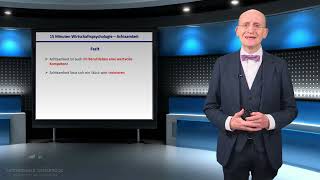
Mindfulness relates to how individuals live in the present and perceive their environment sensitively, avoiding hasty judgments. While studies show positive effects in professional settings, negative side effects must…
This evidence-based guide explains how to rewire your brain to stop appearance comparison, highlighting social media's impact and practical techniques for developing a healthier self-image.
@cjauquet @LincolnMotorCo Although they certainly benefit some, they also may be harmful to others, e.g. through unmet/unmatched need (dropout for selfhelp apps is very high; https://t.co/HgxfpZNkkA), or by incorrect (frequency of) use of mindfulness as a practice (https://t.co/Nus1kLku2Z), just to name 2
 TD
TD