 PM
PM PF
PF TS
TS E
E MR
MR ML
ML D
D A
A Y
Y CV
CV EL
EL ML
ML JM
JM LV
LV DN
DN DG
DG HG
HG N
N AL
AL C
C HA
HA IS
IS C
C M
M GK
GKHeart rate changes during sleep may be diagnostic tool for ...
News
BMC Psychiatry. 2019 Jun 7. doi: 10.1186/s12888-019-2152-1. To continue reading this article …
Dec 15, 2019
View →
Mentions
Extended reach
Total likes
Video views
AI synopsis
The discussions emphasize the study's significance, with comments like 'a reliable biomarker' and notes about 80% accuracy, reflecting excitement and recognition of the research's potential. The tone and choice of words highlight a collective view that this is a meaningful advancement in depression diagnostics, though most contributions remain at a conceptual level.
Most discussions agree that the study presents promising evidence for using heart rate patterns as depression biomarkers, highlighting the reliability and potential implications.
Participants show moderate interest by referencing the novelty of findings and potential links to neurological factors, indicating curiosity without deep technical dives.
Posts engage with the methodology and results, mentioning accuracy rates and the significance of sleep-related biomarkers, showing active consideration of the research.
Comments suggest the research could influence diagnostic practices and understanding of depression, portraying it as an important step forward.
Diferencian entre personas con depresión y sin ella en base a los cambios en la frecuencia cardiaca durante el sueño con una fiabilidad del 79,9%. https://t.co/nFJjC0fWb5
This study demonstrates, for the first time, that changes in heart rate across sleep-wake states may be valid physiological markers for the identification of depression in a sample of people with sleep complaints. https://t.co/VgPwvd6GqO
Using heart rate profiles during sleep as a biomarker of depression | #Biomarker #Biobanking https://t.co/R5mcyyXwYE
RT @pitiklinov: Diferencian entre personas con depresión y sin ella en base a los cambios en la frecuencia cardiaca durante el sueño con un…
RT @pitiklinov: Diferencian entre personas con depresión y sin ella en base a los cambios en la frecuencia cardiaca durante el sueño con un…
Wondering if this is somehow tied to anomalies in the insular cortex (which have also been linked to sudden unexplained death in adults) "Using heart rate profiles during sleep as a biomarker of depression" https://t.co/Rb3a3CWiSi #bmcpsychiatry

This study explores whether patterns of heart rate during sleep can serve as an objective biomarker for depression detection. The machine learning algorithm achieved about 80% accuracy and shows promise as a diagnostic…
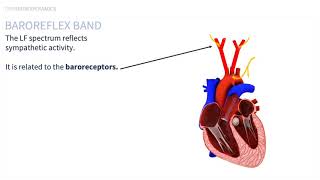
This video introduces HRV frequency-time analysis and its potential as an objective biomarker for depression, highlighting the effectiveness of machine learning in distinguishing depressed individuals based on sleep…
RT @pitiklinov: Diferencian entre personas con depresión y sin ella en base a los cambios en la frecuencia cardiaca durante el sueño con un…
RT @pitiklinov: Diferencian entre personas con depresión y sin ella en base a los cambios en la frecuencia cardiaca durante el sueño con un…
RT @pitiklinov: Diferencian entre personas con depresión y sin ella en base a los cambios en la frecuencia cardiaca durante el sueño con un…
RT @pitiklinov: Diferencian entre personas con depresión y sin ella en base a los cambios en la frecuencia cardiaca durante el sueño con un…
RT @pitiklinov: Diferencian entre personas con depresión y sin ella en base a los cambios en la frecuencia cardiaca durante el sueño con un…
RT @pitiklinov: Diferencian entre personas con depresión y sin ella en base a los cambios en la frecuencia cardiaca durante el sueño con un…
RT @pitiklinov: Diferencian entre personas con depresión y sin ella en base a los cambios en la frecuencia cardiaca durante el sueño con un…
RT @pitiklinov: Diferencian entre personas con depresión y sin ella en base a los cambios en la frecuencia cardiaca durante el sueño con un…
RT @pitiklinov: Diferencian entre personas con depresión y sin ella en base a los cambios en la frecuencia cardiaca durante el sueño con un…
RT @pitiklinov: Diferencian entre personas con depresión y sin ella en base a los cambios en la frecuencia cardiaca durante el sueño con un…
RT @pitiklinov: Diferencian entre personas con depresión y sin ella en base a los cambios en la frecuencia cardiaca durante el sueño con un…
RT @pitiklinov: Diferencian entre personas con depresión y sin ella en base a los cambios en la frecuencia cardiaca durante el sueño con un…
RT @pitiklinov: Diferencian entre personas con depresión y sin ella en base a los cambios en la frecuencia cardiaca durante el sueño con un…
RT @pitiklinov: Diferencian entre personas con depresión y sin ella en base a los cambios en la frecuencia cardiaca durante el sueño con un…
RT @pitiklinov: Diferencian entre personas con depresión y sin ella en base a los cambios en la frecuencia cardiaca durante el sueño con un…
RT @pitiklinov: Diferencian entre personas con depresión y sin ella en base a los cambios en la frecuencia cardiaca durante el sueño con un…
RT @pitiklinov: Diferencian entre personas con depresión y sin ella en base a los cambios en la frecuencia cardiaca durante el sueño con un…
RT @pitiklinov: Diferencian entre personas con depresión y sin ella en base a los cambios en la frecuencia cardiaca durante el sueño con un…
RT @pitiklinov: Diferencian entre personas con depresión y sin ella en base a los cambios en la frecuencia cardiaca durante el sueño con un…
Diferencian entre personas con depresión y sin ella en base a los cambios en la frecuencia cardiaca durante el sueño con una fiabilidad del 79,9%. https://t.co/nFJjC0fWb5
Wondering if this is somehow tied to anomalies in the insular cortex (which have also been linked to sudden unexplained death in adults) "Using heart rate profiles during sleep as a biomarker of depression" https://t.co/Rb3a3CWiSi #bmcpsychiatry
RT @ManeeshJuneja: This study demonstrates, for the first time, that changes in heart rate across sleep-wake states may be valid physiologi…
This study demonstrates, for the first time, that changes in heart rate across sleep-wake states may be valid physiological markers for the identification of depression in a sample of people with sleep complaints. https://t.co/VgPwvd6GqO
Using heart rate profiles during sleep as a biomarker of depression | #Biomarker #Biobanking https://t.co/R5mcyyXwYE
Using heart rate profiles during sleep as a biomarker of depression https://t.co/th7Stpu76P
BMC Psychiatry. 2019 Jun 7. doi: 10.1186/s12888-019-2152-1. To continue reading this article …