 AL
 NW
 S
Holistic Ali
Facebook
... 10.3390/molecules29061320 https://doi.org/10.3390/antiox11020232 https://doi.org/10.3390/antiox8080259 https://doi.org/10.3390/antiox12030676 https://doi ...
Dec 13, 2025
View →
Mentions
Extended reach
Total likes
Video views
AI synopsis
The overall discussions underscore the importance of carotenoids in skin protection, with participants mentioning specific compounds and their antioxidant properties, and emphasizing how these discoveries could influence skincare routines and health awareness. The tone mixes scientific references with practical implications, illustrating active engagement and appreciation for the research's relevance.
Most discussions recognize the potential protective effects of carotenoids for skin health, supporting the publication's emphasis on their benefits.
The discussions clearly engage with the topic, emphasizing diet, specific carotenoids, and their roles, showing high relevance to skin protection.
Participants reference specific compounds like β-carotene, lycopene, and astaxanthin, and discuss mechanisms such as UV blocking and antioxidant activity, indicating thoughtful engagement.
The conversations highlight the importance of understanding and utilizing this knowledge in practical skincare and dietary choices, suggesting a meaningful impact on health practices.
Diet plays another huge role, as carotenoids and other phytochemicals have been shown to deposit in skin tissue and protect against UV damage by both directly blocking UV radiation and by functioning as antioxidants. 7/n https://t.co/BuisfppKWL
Do We Utilise Our Knowledge of the Skin Protective Effects of Carotenoids Enough? Numerous studies have demonstrated that carotenoids, particularly β-carotene, lycopene, lutein, & astaxanthin, have photoprotective properties. #skin #skincare #antioxidants https://t.co/g9rBq3vLve
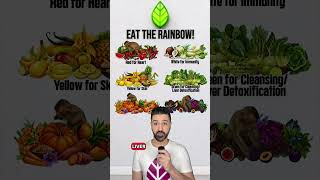
Ever wondered what eating the rainbow really means? Lycopene, a powerful antioxidant in tomatoes, may help reduce the risk of cardiovascular diseases by combating oxidative stress and inflammation. Ongoing research aims…

This study tracked over 61,000 individuals aged 50+ for 20-25 years to analyze the effect of carotenoids like lutein and zeaxanthin on AMD risk. Higher intake of these carotenoids was linked to a 40% reduction in severe…
RT @AlexJLeaf: Diet plays another huge role, as carotenoids and other phytochemicals have been shown to deposit in skin tissue and protect…
Do We Utilise Our Knowledge of the Skin Protective Effects of Carotenoids Enough? Numerous studies have demonstrated that carotenoids, particularly β-carotene, lycopene, lutein, & astaxanthin, have photoprotective properties. #skin #skincare #antioxidants https://t.co/g9rBq3vLve
Diet plays another huge role, as carotenoids and other phytochemicals have been shown to deposit in skin tissue and protect against UV damage by both directly blocking UV radiation and by functioning as antioxidants. 7/n https://t.co/BuisfppKWL
... 10.3390/molecules29061320 https://doi.org/10.3390/antiox11020232 https://doi.org/10.3390/antiox8080259 https://doi.org/10.3390/antiox12030676 https://doi ...
... 10.3390/antiox8080259. Barbulova A., Colucci G., Apone F., 2015. New trends in cosmetics: by-products of plant origin and their potential use as cosmetic ...
doi:10.3390/antiox8080259. Drug Design, Development and Therapy 2022:16 https://doi.org/10.2147/DDDT.S326332. 59 DovePress. Powered by TCPDF (www.tcpdf.org).
https://doi.org/10.3390/antiox8080259 ◇ Kulcsszavak: #elixire #étrendkiegészítő #vitaminok #azéneleixirem #karotinoid · vlog, chill out, calm ...
https://doi.org/10.3390/molecules29061320 https://doi.org/10.3390/antiox11020232 https://doi.org/10.3390/antiox8080259 https://doi.org ...
https://doi.org/10.3390/antiox8080259 ◇ Kulcsszavak: #elixire #étrendkiegészítő #vitaminok #azéneleixirem #karotinoid · vlog, chill out, calm ...
https://doi.org/10.3390/molecules29061320 https://doi.org/10.3390/antiox11020232 https://doi.org/10.3390/antiox8080259 https://doi.org ...
... 10.3390/ijms140714421 https://doi.org/10.1007/s13197-015-1967-0 https ... https://doi.org/10.3390/antiox8080259 https://doi.org/10.3390 ...
https://doi.org/10.3390/antiox8080259 ◇ Kulcsszavak: #elixire #étrendkiegészítő #vitaminok #azéneleixirem #karotinoid · vlog, chill out, calm ...
... 10.3390/molecules29061320 https://doi.org/10.3390/antiox11020232 https://doi.org/10.3390/antiox8080259 https://doi.org/10.3390 ...
https://doi.org/10.3390/antiox8080259 ◇ Kulcsszavak: #elixire #étrendkiegészítő #vitaminok #azéneleixirem #karotinoid · vlog, chill out, calm ...
https://doi.org/10.3390/antiox8080259 ◇ Kulcsszavak: #elixire #étrendkiegészítő #vitaminok #azéneleixirem #karotinoid · vlog, chill out ...
https://doi.org/10.3390/cosmetics12030125 https://doi.org/10.3389 ... https://doi.org/10.3390/antiox8080259 https://doi.org/10.3390 ...
https://doi.org/10.3390/nu13051397 https://doi.org/10.1186/s12906-021 ... https://doi.org/10.3390/antiox8080259 https://doi.org/10.3390 ...
https://doi.org/10.3390/antiox8080259 ◇ Kulcsszavak: #elixire #étrendkiegészítő #vitaminok #azéneleixirem #karotinoid · vlog, chill out, calm ...
... 10.3390/jcm9113717 https://doi.org/10.7759/cureus.28347 #Migraines ... antiox8080259 https://doi.org/10.3390/antiox12030676 https://doi ...
https://doi.org/10.3390/antiox8080259 ◇ Kulcsszavak: #elixire #étrendkiegészítő #vitaminok #azéneleixirem #karotinoid · vlog, chill out, calm ...
... 10.3390/molecules29061320 https://doi.org/10.3390/antiox11020232 https://doi.org/10.3390/antiox8080259 https://doi.org/10.3390 ...
https://doi.org/10.3390/antiox8080259 ◇ Kulcsszavak: #elixire #étrendkiegészítő #vitaminok #azéneleixirem #karotinoid · vlog, chill out, calm ...
https://doi.org/10.3390/antiox8080259 ◇ Kulcsszavak: #elixire #étrendkiegészítő #vitaminok #azéneleixirem #karotinoid · vlog, chill out ...
https://doi.org/10.3390/molecules29061320 https://doi.org/10.3390/antiox11020232 https://doi.org/10.3390/antiox8080259 https://doi.org ...
https://doi.org/10.3390/antiox8080259 ◇ Kulcsszavak: #elixire #étrendkiegészítő #vitaminok #azéneleixirem #karotinoid · vlog, chill out, calm ...
... 10.3390/pharmaceutics15061615 https://doi.org/10.3389/fphar ... antiox8080259 https://doi.org/10.3390/antiox12030676 https://doi.org ...
https://doi.org/10.3390/antiox8080259 ◇ Kulcsszavak: #elixire #étrendkiegészítő #vitaminok #azéneleixirem #karotinoid · vlog, chill out, calm ...
doi:10.3390/antiox8080259. U.S. Department of Agriculture. FoodData Central. Bell pepper, sweet, red, raw. U.S. Department of Agriculture ...
... 10.3390/biom12101468 https://doi.org/10.1016/j.btre.2020.e00544 https ... https://doi.org/10.3390/antiox8080259 https://doi.org/10.3390 ...
... 10.3390/antiox8080259 ◇ Kulcsszavak: #elixire #étrendkiegészítő #vitaminok #azéneleixirem #karotinoid”.vlog, chill out, calm daily life ...
https://doi.org/10.3390/antiox8080259 ◇ Kulcsszavak: #elixire #étrendkiegészítő #vitaminok #azéneleixirem #karotinoid · vlog, chill out, calm ...
https://doi.org/10.3390/antiox8080259 ◇ Kulcsszavak: #elixire #étrendkiegészítő #vitaminok #azéneleixirem #karotinoid · vlog, chill out ...
https://doi.org/10.3390/foods14132315 https://doi.org/10.18433 ... https://doi.org/10.3390/antiox8080259 https://doi.org/10.3390 ...
https://doi.org/10.3390/antiox8080259 ◇ Kulcsszavak: #elixire #étrendkiegészítő #vitaminok #azéneleixirem #karotinoid · vlog, chill out ...
https://doi.org/10.3390/antiox8080259 ◇ Kulcsszavak: #elixire #étrendkiegészítő #vitaminok #azéneleixirem #karotinoid · vlog, chill out ...
... 10.3390/molecules29061320 https://doi.org/10.3390/antiox11020232 https://doi.org/10.3390/antiox8080259 https://doi.org/10.3390 ...
https://doi.org/10.3390/molecules29061320 https://doi.org/10.3390/antiox11020232 https://doi.org/10.3390/antiox8080259 https://doi.org ...
... 10.3390/pharmaceutics15061615 https://doi.org/10.3389/fphar ... antiox8080259 https://doi.org/10.3390/antiox12030676 https://doi.org ...
... 10.3390/pharmaceutics15061615 https://doi.org/10.3389/fphar ... antiox8080259 https://doi.org/10.3390/antiox12030676 https://doi.org ...
doi:10.3390/antiox8080259. Lust TA, Paris HS. Italian horticultural and culinary records of summer squash (Cucurbita pepo, Cucurbitaceae) and ...
Antioxidants (Basel). 2019 Jul 31;8(8):259. doi: 10.3390/antiox8080259. PMID: 31370257; PMCID: PMC6719967. Source: Anand R, ...
... 10.3390/foods14132315 https://doi.org/10.18433/jpps30077 https://doi ... antiox8080259 https://doi.org/10.3390/antiox12030676 https ...
... 10.3390/foods14132315 https://doi.org/10.18433/jpps30077 https://doi ... antiox8080259 https://doi.org/10.3390/antiox12030676 https ...
... 10.3390/molecules26216387 https://doi.org/10.55041/ijsrem40072 https ... antiox8080259 https://doi.org/10.3390/antiox12030676 https ...
... 10.3390/molecules29061320 https://doi.org/10.3390/antiox11020232 https://doi.org/10.3390/antiox8080259 https://doi.org/10.3390 ...
... 10.3390/molecules26216387 https://doi.org/10.55041/ijsrem40072 https ... antiox8080259 https://doi.org/10.3390/antiox12030676 https ...
... 10.3390/antiox8080259 https://www.ncbi.nlm.nih.gov/pmc/articles/PMC7146530/ https://www.healthline.com/nutrition/too-much-garlic https://www ...
... 10.3390/molecules29061320 https://doi.org/10.3390/antiox11020232 https://doi.org/10.3390/antiox8080259 https://doi.org/10.3390 ...