Holcman
@David_Holcman · X
Our new manuscript: "Alpha rhythm collapse predicts iso-electric suppressions during anesthesia" is out in Comm Bio: https://t.co/R0KceTJ4Hb
Sep 3, 2019 · 3 likes · 133 followers
View post →
Mentions
Extended reach
Total likes
Video views
AI synopsis
Discussions highlight the research's importance by referencing the predictive capabilities of alpha rhythm analysis, with phrases like 'prediction of iso-electric suppressions during anesthesia' demonstrating a focus on safety and scientific advancement. The tone is generally positive and curious, reflecting appreciation for the methodological innovation and potential implications in anesthesia safety.
Most discussions acknowledge the significance of the research, with comments like 'predicts iso-electric suppressions' and references to the study’s contributions.
Participants express high interest with enthusiastic mentions of the findings, such as 'out in Comm Bio' and signaling excitement about the research.
Comments include references to methods and potential applications, indicating a moderate level of thoughtful engagement.
The mention of predicting brain activity during anesthesia and improvements in safety suggest a perceivable but modest impact of the work.
Our new manuscript: "Alpha rhythm collapse predicts iso-electric suppressions during anesthesia" is out in Comm Bio: https://t.co/R0KceTJ4Hb
RT @INSB_CNRS: #ResultatScientifique
RT @INSB_CNRS: #ResultatScientifique
RT @INSB_CNRS: #ResultatScientifique
RT @INSB_CNRS: #ResultatScientifique
Alpha rhythm collapse predicts iso-electric suppressions during anesthesia https://t.co/He7j1fSvvS https://t.co/u1eEJEt7nL
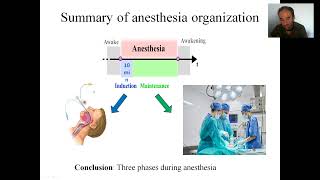
This video explores how EEG signal patterns, especially alpha rhythm suppression, can predict dangerous brain activity during anesthesia, potentially improving patient safety through early detection of ictal events.

The study explores how EEG patterns, especially alpha rhythm collapse, predict dangerous brain activity known as Isoelectric Suppressions during deep anesthesia. Using machine learning, early detection can improve…

This video discusses how EEG signal patterns, especially the alpha rhythm, can predict dangerous brain activity during anesthesia. Early detection of Isoelectric Suppressions using machine learning may enhance patient…
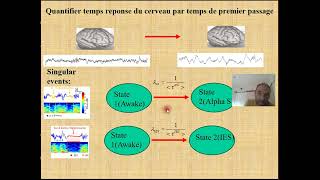
This study investigates how EEG alpha rhythm patterns can predict isoelectric suppressions, which are dangerous brain activity during anesthesia. Analyzing changes in alpha rhythm can help forecast IES, improving…
Our general approach in mathematical modeling, simulations and analysis to predict the depth of Anesthesia https://t.co/d2fdakl3uu
RT @INSB_CNRS: #ResultatScientifique
RT @INSB_CNRS: #ResultatScientifique
RT @INSB_CNRS: #ResultatScientifique
RT @INSB_CNRS: #ResultatScientifique
RT @INSB_CNRS: #ResultatScientifique
RT @INSB_CNRS: #ResultatScientifique
RT @INSB_CNRS: #ResultatScientifique
RT @INSB_CNRS: #ResultatScientifique
RT @INSB_CNRS: #ResultatScientifique
RT @INSB_CNRS: #ResultatScientifique
Alpha rhythm collapse predicts iso-electric suppressions during anesthesia https://t.co/He7j1fSvvS https://t.co/u1eEJEt7nL
Our new manuscript: "Alpha rhythm collapse predicts iso-electric suppressions during anesthesia" is out in Comm Bio: https://t.co/R0KceTJ4Hb