The discussions reflect a generally positive view of the evidence supporting saturated fat reduction, with examples like the Cochrane review showing a 17% decrease in cardiovascular events, which fuels the tone of consensus. However, the tone varies from scientific and analytical to skeptical, especially when addressing studies that report little or no effect, revealing a dynamic debate about the true impact of dietary fats on heart health.
AgreementModerate agreement
Most discussions support the idea that reducing saturated fat can lower cardiovascular risk, citing meta-analyses and systematic reviews as evidence.
InterestHigh interest
Many posts delve into detailed analyses and studies, showing high curiosity and engagement with scientific evidence.
EngagementHigh engagement
Users actively debate study details, methodology, and conflicting evidence, indicating deep involvement with the topic.
ImpactModerate impact
While many believe the findings could influence dietary guidelines, some express skepticism about the strength of evidence, pointing to mixed results.
Abstract in brief
The study examines how lowering saturated fat intake affects health outcomes like mortality and cardiovascular issues, and what nutrients (like carbs, polyunsaturated fats, etc.) should replace it.
The researchers analyzed data from 15 randomized clinical trials involving over 56,000 participants to determine the long-term effects of dietary changes.
The results indicated that cutting down on saturated fats is linked with a decreased risk of cardiovascular disease and mortality.
Reduction in Saturated Fat Intake for Cardiovascular Disease https://t.co/7tOtX1hv3O reducing saturated fat intake for at least two years causes a potentially important reduction in combined CV events
May 26, 2020 · 104 likes · 29 shares · 55,910 followersView post →
GP
Gil Carvalho MD PhD
@NutritionMadeS3 · X
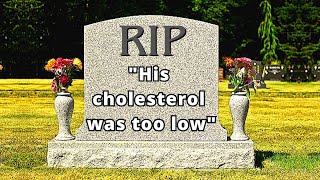
Low cholesterol associates with higher risk of death in epidemiological studies.
Does that mean low cholesterol is deadly and we want it high??
The #1 cholesterol FAQ on social media (even among Drs!!).
Let's settle this once and for all.
full video
Jun 26, 2023 · 90 likes · 21 shares · 27,695 followersView post →
C
Crémieux
@cremieuxrecueil · X
@DollPariah @RichardHanania It's nothing really new. Check the old Cochrane review: https://t.co/gT6xhmwJRc
May 14, 2025 · 66 likes · 271,142 followersView post →
GP
Gil Carvalho MD PhD
@NutritionMadeS3 · X
Saturated fat and the internet controversies
the comments are already lit up
Aug 29, 2022 · 45 likes · 4 shares · 28,194 followersView post →
GP
Gil Carvalho MD PhD
@NutritionMadeS3 · X
Does low cholesterol raise your risk of dying?
A FAQ, and a common misconception.
full video: https://t.co/YjkNtXmN8U
Aug 2, 2025 · 27 likes · 3 shares · 27,695 followersView post →
NC
Nanci Guest PhD, RD, CSCS
@NanciGuestRDPhD · X
May 26, 2020 · 20 likes · 6 shares · 10,512 followersView post →
A new review proposes that saturated fat is harmless and has been unfairly demonized. This video examines the evidence surrounding saturated fat, its safe consumption ranges, and the food sources that influence…
Are low cholesterol levels dangerous? This video explores evidence surrounding the relationship between cholesterol levels and mortality risk, discussing recent findings that may change how we view cholesterol's role in…
Saturated fat is concentrated in animal foods and some plant products like coconut oil. Replacing saturated fats with healthier unsaturated fats can significantly lower cardiovascular disease risk, emphasizing the…
This video discusses the effectiveness of rosuvastatin in preventing cardiovascular events in healthy individuals with high C-reactive protein levels. The study showed that rosuvastatin significantly reduced LDL…
This video explores the scientific evidence on saturated fat's impact on cardiovascular health, analyzing recent studies, dietary recommendations, and global variations. It aims to clarify misconceptions and provide an…
Today's video discusses how recent media claims about veganism and plant-based alternatives being unhealthy misinterpret scientific studies. Substituting animal-based foods with plant-based options is linked to a lower…
This video explores the role of saturated fat in a healthy diet, examining scientific studies and evidence to dispel common misconceptions and highlight its dietary importance.
The video discusses the effects of a carnivore diet, referencing studies on saturated fats, cholesterol, and cardiovascular risk factors, highlighting potential health benefits and concerns.
The review analyzed 12 clinical trials and found that berberine can significantly lower LDL cholesterol and triglycerides in people with hyperlipidemia. It may be a useful alternative for patients intolerant or…
Healthy fats are explained by expert nutritionist Jamie Wright. This video highlights the importance of dietary fat in our bodies, particularly focusing on dairy fat and its relation to cardiovascular disease and…
Let's break down the facts on saturated fats vs omega-6s found in seed oils like canola and corn oil. While some claim seed oils are harmful, studies indicate that replacing saturated fats with polyunsaturated fats can…
Join the live session discussing how reducing saturated fat and managing cholesterol levels can improve cardiovascular health, supported by scientific research and expert insights.
This video explores the relationship between dietary fats and cardiovascular disease, clarifying risk factors contributing to heart attacks and strokes. We analyze how replacing saturated fats with vegetable oils…
This video explains how saturated fats influence cholesterol levels and cardiovascular risk, highlighting that not all fats are harmful. It presents scientific evidence showing that reducing saturated fat intake can…
@mattwridley 20/M
Excess saturated fat is a health risk.
"the U-turn over cholesterol and saturated fat"
https://t.co/6aj6FhoTkF
https://t.co/mxMRp8CLsB
"a true assessment of whether Tamiflu works will be made by the Cochrane Collaboration"
https://t.co/3C9isFXy0N
https://t.co/VmkTuFyQlS https://t.co/X17siEEp9C
Nov 7, 2025 · 3 likes · 3,360 followersView post →
NB
Norberto BCN ⚕
@Norberto_BCN · X
@jan_tyr @BogRymanowski O, tak! Przecież najlepiej uczy krytycznego myślenia Twitter i filmy na YouTube z żółtyi napisami.
Nie wiem jak pańscy uczniowie, bo ja bynajmniej wiem jak naukowo obalić bzdury tej pani:
1.https://t.co/Xzw2JhLYT0
2.https://t.co/gOvBF6t90s
3.https://t.co/OgXIBRRz56
Oct 23, 2025 · 1 like · 5,143 followersView post →
JG
Joel Garcin
@joelgarcin · X
@robertcop777 @LX33t @silvano_trotta La revue systématique Cochrane montre que les AG saturés (produits anomaux, huile de coco ou palme) augmentent les risques de maladies cardiovasculaires...
https://t.co/BJgTA4QIK7
@cremieuxrecueil @SkyOfConnection The RCT evidence is not in favour of that, and if you understand the mechanism of lipid peroxidation and the distribution of lipids in lipoproteins you would see how seed oils are harmful and the evidence doesn't disprove this.
https://t.co/srpcVJ9s1S
https://t.co/XGd53Eut78
@bulkbiker @dr__idz Yes, thats why we have several meta-analyses of RCTs looking at many populations and diets. With moderate certainty of the evidence.
https://t.co/GA4sPFma7Z
https://t.co/FCEjYbFmH9
@FoodProfessor Problem is ground beef (for burgers) contains 20% fat - whereas rump steak only contains 10%. So, ground beef may turn out more expensive in the end. Reducing saturated fat intake results in 17% reduction in heart-related illness: https://t.co/E6af1tKXDQ
@rcextremebike @DoctorTro What are you talking about?
When other variables are controlled, a lower intake of saturated fat is preferable to a higher intake.
Obviously, replacing sat fat with unsat fat. This is even seen in RCTs
https://t.co/O2h5o5lihI
@janellison @SGonzalez37054 @ItIsMikeFitz reducing saturated fat intake for at least two years causes a potentially important reduction in combined cardiovascular events
https://t.co/O2h5o5lihI
RT @renedumbra: @nicknorwitz “reducing saturated fat intake for at least two years causes a potentially important reduction in combined car…
Jun 14, 2025 · 2 shares · 339 followersView post →
RD
Renato Dumbra
@renedumbra · X
@nicknorwitz “reducing saturated fat intake for at least two years causes a potentially important reduction in combined cardiovascular events.”
Review of RCTs
https://t.co/O2h5o5lihI
Jun 14, 2025 · 3 likes · 2 shares · 28 followersView post →
GP
Gil Carvalho MD PhD
@NutritionMadeS3 · X
@Neo1Architect traditional epi vs genetics
see:
https://t.co/xyCEnoScq2
https://t.co/YjkNtXmN8U
May 31, 2025 · 1 like · 27,695 followersView post →
AS
Atomsk's Sanakan
@AtomsksSanakan · X
@grok @mattwridley "confirmed in sensitivity analyses including only trials that [...] significantly reduced saturated fat intake (Analysis 1.38), that achieved a reduction in total or LDL cholesterol (Analysis 1.39)"
https://t.co/VmkTuFyQlS
Valk 2022 doesn't make sense:
https://t.co/fPTyFKcBg8 https://t.co/dBe2lVBseC
@grok @mattwridley The issues with Siri‐Tarino 2010 are already known:
"This meta‐analysis has been criticised (Katan 2010; Scarborough 2010; Stamler 2010), as results of half of the studies included in their meta‐analysis were adjusted for serum cholesterol concentrations"
https://t.co/VmkTuFyQlS https://t.co/FaJo1iry5P
RT @AtomsksSanakan: @mattwridley Matt Ridley in 2016:
"It’s evidence that counts, especially randomized controlled trials, the gold standar…
May 26, 2025 · 1 share · 3,351 followersView post →
AS
Atomsk's Sanakan
@AtomsksSanakan · X
@mattwridley Time to accept what randomized controlled trials showed.
Matt Ridley in 2016:
"It’s evidence that counts, especially randomized controlled trials, the gold standard of science."
https://t.co/kUhJdInZvc
"We included 15 randomised controlled trials"
https://t.co/kQYd5U3684 https://t.co/BxWOFYFnGK
@mattwridley Matt Ridley in 2016:
"It’s evidence that counts, especially randomized controlled trials, the gold standard of science."
https://t.co/Isv2F3ukXs
OK.
"We included 15 randomised controlled trials"
"Reducing saturated fat reduces serum cholesterol"
https://t.co/VmkTuFyQlS https://t.co/SYTR0yEgQh
May 26, 2025 · 3 likes · 1 share · 3,351 followersView post →
AS
Atomsk's Sanakan
@AtomsksSanakan · X
@mattwridley @grok Was Matt Ridley right about whether saturated fats cause heart disease by increasing cholesterol?
"Reducing saturated fat reduces serum cholesterol"
"greater reduction in saturated fat caused greater reductions in cardiovascular events"
https://t.co/VmkTuFyQlS https://t.co/Shom1aD2GR
@mattwridley Matt Ridley in 2016:
"The whole theory that saturated fats from animals cause heart disease by upping cholesterol is as full of holes as a Swiss cheese."
https://t.co/3oZFV7U6Nx
https://t.co/WGykPaRbi5
Cochrane 2020:
https://t.co/VmkTuFyQlS https://t.co/Z1xEmGIHSx
@DollPariah @RichardHanania It's nothing really new. Check the old Cochrane review: https://t.co/gT6xhmwJRc
May 14, 2025 · 66 likes · 271,142 followersView post →
RD
Renato Dumbra
@renedumbra · X
@raveryn @SamaHoole @GiantOldMonster You clearly know absolutely nothing about: "Stated trial outcomes", "Secondary outcomes"...
You didn't even read the TITLE of the study which clearly says: "Reduction in SATURATED fat intake for cardiovascular disease"
@booomyz @TsukiWooki @EyesGleamMean @devilinmugler you're misinformed. Saturated fat isn't good or bad, just like anything it's about its dose. And cardiovascular risk rises with a dose exceeding 10% or you DCI, which 22 grams of fat exceeds that for most people. https://t.co/j6HdhUSU2q
Os maiores estudos da atualidade encontraram melhoras na saúde com a diminuição do consumo de gordura saturada, mas ainda tem gente que insiste que se trata de um complô da indústria alimentícia.
https://t.co/2C0q0SWxVw https://t.co/gdsD64lRLc https://t.co/3BqL32lMmS
@jimmy_muthami @nicknorwitz Don't ignore the evidence just because it doesn't align with your opinion.
https://t.co/pEJXu4zYnq
15 RCTs, reducing dietary saturated fat reduced the risk of combined cardiovascular events by 17%.
Outside my current research area: but a message that increased saturated fat in the diet doesn’t influence LDL levels and cardiovascular endpoints is likely harmful. Because it does (even though there are as always small caveats).
pubmed.ncbi.nlm.nih.gov/32827219/
@ValidScience @clairlemon Saturated fat:
"Meta‐regression suggested that greater reductions in saturated fat (reflected in greater reductions in serum cholesterol) resulted in greater reductions in risk of CVD events, explaining most heterogeneity between trials."
https://t.co/4xENk8butk
@gnigh 1- good thoughts here from @NutritionMadeS3 to consider: https://t.co/Hb4sNCqSUP
https://t.co/IbCQwCCSLC 2-
2- I had them saved. If truly concerned AI can help u find papers
3- Expected of course based on what we’d find in general pop. Take it for what you want. I’m more
@BrendanDav22620 @MohammedAlo @theproof I can go further and provide a study in this case. The claim being made is:
“Replacing SFA with PUFA reduces the incidence of CVD events”.
https://t.co/GCpfLLLDcP
@kevinstock12 1) Correct
Lee Hooper L, at al. Reduction in saturated fat intake for cardiovascular disease Cochrane Database Systemic Review, 2015
Results:
The study found no effect of reducing saturated fat in heart attacks, strokes, or all cause deaths.
https://t.co/Q47HWhkqVv
Free Full
@bigfatsurprise @RobertKennedyJr There are "reviews", and then there are high quality reviews. The most stringent highest level review of them all (i.e. Cochrane) says SF does cause heart disease
https://t.co/J5NgNVU73s https://t.co/Cd3AZf7y41
@joshtomaka @GardnerPhD @alicegcallahan @n3doc Summation 2: For example the cochrane review from 2020, one of the most in depth reviews on sat fat ever, which found that high sat fat intake was problematic. Note that I said high intake, I am not saying that sat fat is inherently bad, dose matters.
https://t.co/udLdqGIk9R
@deportriggers @DrNealBarnard Cochrane Database Systematic Review, 2020. Hooper L, et al. Reduction in saturated fat intake for cardiovascular disease. N=56k.
Gribbin S, et al. Association of carbohydrate and saturated fat intake with cardiovascular disease and mortality in Australian women. Heart, 2021.
@RogerSeheult https://t.co/mNl98pflJL
No RCT evidence that changes in LDLc via diet affect CVD or mortality
https://t.co/rDol9781Sr
https://t.co/vReWVdvjLr
https://t.co/KlkVCONLLL
MA of RCTs show no effects from meat
https://t.co/zwv4VireUg
High meat low carb diets improve metabolic health
@ThelastStyleb16 I know, but they often address different research questions. Still, the conclusions align.
https://t.co/k7h98Q0QOY https://t.co/RUhRIEZHDh
So what should we believe?
Traditional evidence? Older studies?
New evidence? New meta-analyses?
A Cochrane review looked into all the evidence available.
https://t.co/fu5EmbGPh4
@khaou_ Je te conseille de lire plusieurs études tout n’est pas blanc ni noir :
On a des preuves tengibles (grosses cohortes et études meta de plusieurs publications) qui prouvent un lien direct avec augmentation de gras saturé dans l’alimentation et risque CV
https://t.co/XqPFewsP1c
@dylanarmbruste3 @hufcm @StevenMBelknap @GardnerPhD @American_Heart Yes and the others. Discussion on the Hooper paper.
https://t.co/BV5QRULrl8 https://t.co/1v8qO8iYjs
@aphricote @freaklilith_ Hooper, L., Martin, N., Jimoh, O. F., & Kirk, C. (2020) Title: Reduction in saturated fat intake for cardiovascular disease.
Harcombe, Z., Baker, J. S., Cooper, S. M., Davies, B., Sculthorpe, N., DiNicolantonio, J. J., & Grace, F. (2016) Evidence from randomised controlled trials
@BroChillerman I would argue not so similar
For mortality, the estimate of causal effect with RCTs of sat fat is directionally the same as observational evidence (power could be an issue)
For CVD, RCTs of reducing saturated fat fat show reduced CVD events
https://t.co/wM23UB0hcm
Aug 15, 2024 · 1 like · 10,175 followersView post →
@Gearoidmuar @naturalguy @ScepticalAnna They do. Hooper 2020:
“There was a 17% reduction in cardiovascular events in people who had reduced SFA compared with those on higher SFA”
https://t.co/GCpfLLL5nh
@HoldOnStil60450 @ScepticalAnna You should be more worried about sugar than SFA.
SR of RCTs: "We found little or no effect of reducing saturated fat on all‐cause mortality... or cardiovascular mortality... or on non‐fatal myocardial infarction"
https://t.co/mNl98pflJL
@ElieJarrougeMD Wrong.
Cochrane Review with 15 RCT:
"reducing saturated fat intake for at least two years causes a potentially important reduction in combined cardiovascular events"
https://t.co/pEJXu4zYnq
@TamarHaspel @sguyenet Moreover the evidence on saturated fat from a long line of RCTs is in fact far from compelling.
doi: 10.3390/nu13103305.
doi: 10.1093/nutrit/nuz091.
doi: 10.1093/advances/nmaa008.
doi: 10.3389/fpubh.2024.1396576.
DOI: 10.1002/14651858.CD011737.pub3
@EricTopol @NatureMedicine @ClemensWittenb2 SR of RCTs: “We found little or no effect of reducing saturated fat on all‐cause mortality or cardiovascular mortality... [or] on non‐fatal myocardial infarction or CHD mortality"
https://t.co/mNl98peNUd
@triagemethod Or maybe the conclusions of PURE are correct considering they are supported by 2-5 year long RCTs of saturated fat:
"We found little or no effect of reducing saturated fat on all‐cause mortality or cardiovascular mortality"
https://t.co/mNl98peNUd
Thanks to Ed for pointing to this disgusting study manipulation either by ignorance or malice. It's a disservice to folk personally and also the NHS when all the meta data evidence points to plant based diets being healthier and lowering need for NHS help!
https://t.co/YTp3CvWy8s
@Jamie_Blackett You are a bad phony. You know bugger all of what you're talking about and you're a terrible and dangerous hypocrite.
https://t.co/CUBJrqgFx9
@drmatthewnagra Still doesn't address the issue of needing to hold SFA constant w/in study design.
Considering RCTs show "little or no effect of reducing SFA on all‐cause mortality or cardiovascular mortality," quibbling over *maybe* 4 mg/dL of LDLc is a waste of time
https://t.co/mNl98peNUd
@BroChillerman @NutritionMadeS3 Can you share data that trumps a meta analysis of RCTs on this topic which considers the replacement nutrient?
https://t.co/Qj7jPK9eto).
Jun 23, 2024 · 2 likes · 34,137 followersView post →
K
Klaatu
@iamklaatu · X
Youtube is filled with self-proclaimed experts telling their huge base of followers that it's ok to have sky-high LDL-C. Thankfully, there are people like Gil to talk about these things with a proper scientific approach.
https://t.co/i4UFG9oP2A
@theproof @GardnerPhD @bigfatsurprise Why don't people in the high SFA intake interventions die more often in RCTs? Why is SFA's reputation nearly as bad as tobacco's despite exonerating evidence from RCTs?
https://t.co/mNl98peNUd
@jibtie @NutritionMadeS3 https://t.co/mNl98peNUd
SFA RCTs make it clear that increasing LDLc does not increase mortality
https://t.co/LrurwG05st
Torcetrapib is a drug that reduced LDLc and increased mortality
https://t.co/5UOn33ZMHn
hsCRP predicts mortality better than LDLc in statin trials
@DrIngold it helps to bear in mind these U curves are common with many metrics (BMI, blood pressure, HbA1c etc)
that helps explain they reflect an artifact not cause & effect
https://t.co/YjkNtXmN8U
Hooper, L., Martin, N., Jimoh, O. F., Kirk, C., Foster, E., & Abdelhamid, A. S. (2020). Reduction in saturated fat intake for cardiovascular disease. Cochrane database of systematic reviews, (8). https://t.co/8cEYQfc48n
(6/8)
@TamarHaspel https://t.co/mNl98pflJL
SR of RCTs: "We found little or no effect of reducing saturated fat on all‐cause mortality"
https://t.co/Ec925X8txL
Statin benefits could be from their anti-inflammatory effects. Statin evidence may not be relevant to the impact of saturated fat on CVD
@yuman31 cholesterol is lowered by many chronic diseases so you want to look at randomized trials and genetic studies where these are unlikely to skew results
see https://t.co/YjkNtXmN8U
also https://t.co/833zGEYlBY
@SBakerMD @drdairy50 These correlations are not good evidence re saturated fats. Stronger evidence: Cochrane review of randomized controlled trials: replacing saturated fat with unsaturated fat reduces the risk of CVD events, esp when blood cholesterol was lowered. https://t.co/XYjH2PVH4N
Mar 14, 2024 · 1 like · 1,142 followersView post →
LT
Lucian Tritt
@LucianTritt · X
@livingatlarge1 @ValerieAnne1970 This is explained
https://t.co/QBNyGXXmii
@ketogrillbakery @Drlipid @MohammedAlo @NutritionMadeS3 has a few videos on the subject
Cholesterol doesn't matter
https://t.co/n0iZjEJ9h7
Cholesterol paradox
https://t.co/lQePsawJrh
@NikosNoulezas @nationallipid You're referring to what's known as the "cholesterol paradox". Where, if you didn't understand the studies, someone like you could post a link that makes it look like low LDL is a risk. Whereas low LDL can be a result of other health issues.
Explained:
https://t.co/qv7ZoVbi7w
RT @KetoCounselor: Reduction in saturated fat intake for cardiovascular disease. Cochrane database of systematic reviews, (8). (4/6) https…
Feb 10, 2024 · 2 shares · 1,309 followersView post →
WF
WJW Mental Health Legal Fund
@wjwmhlf · X
RT @KetoCounselor: Reduction in saturated fat intake for cardiovascular disease. Cochrane database of systematic reviews, (8). (4/6) https…
Feb 9, 2024 · 2 shares · 1,251 followersView post →
NL
Nicole Laurent, LMHC
@KetoCounselor · X
Reduction in saturated fat intake for cardiovascular disease. Cochrane database of systematic reviews, (8). (4/6) https://t.co/8cEYQfbwiP
Feb 9, 2024 · 7 likes · 2 shares · 9,015 followersView post →
J
jibtie
@jibtie · X
@vapidbobcat @danyal9600 @BioLayne You haven’t actually posted where this study comes from once. That said we have a larger mega analysis with more RCTs showing that “reducing dietary saturated fat reduced the risk of combined cardiovascular events by 17%”.
https://t.co/VKmUImU5x4
@DietHeartNews @Edward_Smith92 I agree that we're not lab rats.
But human studies have altered diary/meat OR sat fat of diets (typical, mixed meals).
Sat fat has a clear impact on circulating cholesterol - that doesn't mean "don't eat any foods with sat fat", but we can't deny data. https://t.co/j8VqnhbDVc
@StephenPiment @Meaningness Good RCTs, that randomize people to different diets and examine the effects on hard clinical outcomes such as cardiovascular events or mortality, (1) are possible and (2) exist.
For example, see this Cochrane review of RCTs about saturated fat: https://t.co/bOFivAgOe7
@lumpenspace For context, meta-analyses looking at CV events instead of biomarkers tend to be consistent with this MA. PUFAs may reduce the risk of CV events when compared to SFAs. (Though the effect of MUFAs is unclear and there’s no difference found for mortality.) https://t.co/gecz69YMo0
Jan 23, 2024 · 1 like · 2,153 followersView post →
BP
Bradley Chillerman, PhD
@BroChillerman · X
@DBelardoMD @AviBittMD RCTs: "We found little or no effect of reducing saturated fat on all‐cause mortality or CVD mortality"
https://t.co/mNl98peNUd
It's too bad there's no convincing evidence that reducing saturated fat saves lives. It would be nice to have a simple and effective way to save lives
@renatodumbra @MacroFour @LDLSkeptic If SFA ⬆️ LDL and LDL causes CVD, it does not follow SFA cause CVD - https://t.co/7nXIMchqd6
LDL per se harmless - https://t.co/eCD7XFPi8s
See our comments to Cochrane - https://t.co/5C8zYOQtLm
And further analysis using a more appropriate model - https://t.co/WbFqJE0KzS
Shashi Iyengar | Accredited Metabolic Health Coach
@shashiiyengar · X
@cvkurthukoti @dlifein @TheIraSahay @arunkumar3112 @jasmeet481 @cvkurthukoti
Read this also
Reduction in saturated fat intake for cardiovascular disease
Cochrane Database Syst Rev. 2020; 2020(8): CD011737.
We found little or no effect of reducing saturated fat on all‐cause mortality (RR 0.96; 95% CI 0.90 to 1.03; 11 trials, 55,858
@RickDunmore @MedCrisis covered here:
https://t.co/YjkNtXmN8U
also if you search my TL for mortality and cholesterol, several threads covering this Q in detail
Dec 16, 2023 · 1 like · 27,695 followersView post →
TN
Tim Noakes
@ProfTimNoakes · X
RT @MeggGawat: @onphel @ProfTimNoakes @NickPapageorge1 @nutrition_facts @lowcarbGP @DoctorTro @virtahealth @drericwestman Here’s a good vid…
Dec 15, 2023 · 1 share · 158,495 followersView post →
MG
Megg Gawat
@MeggGawat · X
@onphel @ProfTimNoakes @NickPapageorge1 @nutrition_facts @lowcarbGP @DoctorTro @virtahealth @drericwestman Here’s a good video on this: https://t.co/hCK7VGkJ4E
The same “paradox” can be found in bmi, blood pressure, A1C, etc, with the “worse” numbers (28 bmi, high blood pressure, diabetic A1C, etc) being optimal.
The video explains this U-Curve mortality paradox
Dec 15, 2023 · 1 like · 1 share · 1,989 followersView post →
SC
Sentient Cactus
@Special_Cactus · X
@ketogrillbakery Hooper 2020 was the Cochrane review meta-analysis for RCTs on saturated fat reduction. The Minnesota Coronary Experiment was excluded because the average duration was too short (the inclusion criteria called for 24 months or more)
https://t.co/mTKXXW1kf5
@MohammedAlo In the study "Reduction in saturated fat intake for cardiovascular disease" it literally says in the abstract:
"We found little or no effect of reducing saturated fat on all-cause mortality or cardiovascular mortality"
@ESYudkowsky Bad take.
Keys was not a scientific fraud:
https://t.co/P7Cc1HFPlF
But who cares anyways? We have much better evidence now that shows that replacing SFA with PUFA (e.g., veg oils) reduces cardiovascular disease.
https://t.co/qjqgVE6aA4
Cochrane-katsauksessa havaittiin riskisuhde 0.94 (95% luottamusväli 0.78-1.13, näytön varmuus oli kohtalainen) sydän- ja verisuonitautikuolleisuuden osalta.
"Reducing saturated fat intake probably makes little or no difference to cardiovascular mortality."
https://t.co/ZskScydbLZ https://t.co/8zxVuvB6mq
@exfatloss @FrogHarmless @Tellit007 “The included long‐term trials suggested that reducing dietary saturated fat reduced the risk of combined cardiovascular events by 17% (risk ratio (RR) 0.83; 95% confidence interval (CI) 0.70 to 0.98 […])”
https://t.co/bOFivAgOe7
@BenDavi13814607 @MohammedAlo Multiple meta-analyses of RCTs and genetic studies find a log-linear relationship between lower LDL-c and lower CVD, and reductions in saturated fat and lower CVD too.
https://t.co/zV81852dnB
https://t.co/rTtlii1T6d
https://t.co/w5jcm0zL6E https://t.co/nE9ZHEU3rE
@CaryKelly11 Secondly, you see images like below (at least the cholesterol part) all over social media. However the same faulty logic would suggest that you should also be overweight, hypertensive and diabetic to live the longest ...
https://t.co/4bpu7MWbPc https://t.co/7MZr6nAHSE
@WillBrink @NutritionMadeS3 @drpablocorral @JohnKastelein @Drlipid @Lipoprotein @MohammedAlo Gil has a couple of vids on this already, on U-shaped curves for LDL-c or TC and mortality.
https://t.co/HSrz9AcvBR
https://t.co/lpTJhDUbUt
I haven't looked at this new study in detail - how similar is it to the previous studies that have done the rounds on social media?
@AaronBergman18 @ChadNotChud “When we subgrouped according to replacement for SFA, the PUFA replacement group suggested a 21% reduction in cardiovascular events”
https://t.co/lROAKiCTzm
@jmmulet Llevo días pensando en esto. He mirado esto https://t.co/MNoNofBPPr y no me ha impresionado mucho. Hay otros aspectos de la salud relacionados con las grasas saturadas aparte de la salud cardiovascular? A lo mejor estoy buscando mal.
@Paul_James_1 @shelly_187 I linked it purely to explain the chart, it doesn't matter who he is really.
I linked it to explain why there is conflicting information out there.
https://t.co/w3yon9Ey4B
Hyvä esimerkki minkä takia keinotekoiset raja-arvot ovat ongelmallisia. Mitä satunnaistettu tutkimusnäyttö kertoo tyydyttyneiden rasvojen vähentämisen hyödyistä?
https://t.co/ZskScydbLZ https://t.co/6or5QRS9yD
@aCarnivoreDiet @BioLayne "The included long‐term trials suggested that reducing dietary saturated fat reduced the risk of combined cardiovascular events by 17%"
https://t.co/Si3toLXMMl
@trigsjourney https://t.co/1UCivsx0VY
56,675 participants
The included long‐term trials suggested that reducing dietary saturated fat reduced the risk of combined cardiovascular events by 17%
@cashandcarrots @SentientBlobBob @CaryKelly11 It doesn't matter. The data today is clear that Ancel Keys was right about saturated fat:
https://t.co/4xENk8aWDM
@FL_steak_man Check this interview with Thomas Dayspring, Clinical Lipidologist @Drlipid https://t.co/auoe5daZTw
If you have time, get the background of why low-LDL is good: https://t.co/ixsYH6Gzk7
@aCarnivoreDiet @BioLayne “The included long-term trials suggested that reducing dietary saturated fat reduced the risk of combined cardiovascular events by 17%”
https://t.co/3LKn3xCX1A
@ZahcM I find Gil Carvalho's videos on this topic pretty convincing. Here's his most recent one: https://t.co/icAC70lVhY
What do you think about his perspective? What would your rebuttal be?
@carniyogi @SteAssent Zero? By reducing your LDL-c levels, you can even lower the risk of cardiovascular events.
Here's a systematic review w meta-analysis on Cochrane:
https://t.co/RSoomf6E06
@Drlipid @maciejbanach @nationallipid Great paper - I've sent a copy to my GP and my cardiologist (he's across all this but as a reference for his doubting Thomases). Also recommend https://t.co/IF7ce6bxJg this should also help "doubting Thomases".
@DavidVio2 E.g.
https://t.co/RmcUnhtXfl
Replacing saturated fat with polyunsaturated fat reduced risk of CVD events (though statistical significance was not reached for overall mortality)
Jul 3, 2023 · 1 like · 18,433 followersView post →
RT @NutritionMadeS3: Low cholesterol associates with higher risk of death in epidemiological studies.
Does that mean low cholesterol is de…
Jun 29, 2023 · 21 shares · 1,482 followersView post →
RH
Rita J Horn
@RitaJHorn1 · X
RT @NutritionMadeS3: Low cholesterol associates with higher risk of death in epidemiological studies.
Does that mean low cholesterol is de…
Jun 28, 2023 · 21 shares · 1,237 followersView post →
A
Agingdoc
@agingdoc1 · X
Cholesterol & Risk of Death
Jun 27, 2023 · 5 likes · 41,060 followersView post →
KK
Kitty Kap
@flea_bisk_it · X
@ianhughscott @kevinnbass Science guy doesn’t know single variable studies are garbage used to pad resumes of MD/PhDs. Cholesterol<200, BMI <25, BP<120 and more… ‘increase’ risk of dying by that reasoning https://t.co/8FoUNPnCOA
RT @NutritionMadeS3: Low cholesterol associates with higher risk of death in epidemiological studies.
Does that mean low cholesterol is de…
Jun 26, 2023 · 21 shares · 108 followersView post →
GP
Gil Carvalho MD PhD
@NutritionMadeS3 · X
Low cholesterol associates with higher risk of death in epidemiological studies.
Does that mean low cholesterol is deadly and we want it high??
The #1 cholesterol FAQ on social media (even among Drs!!).
Let's settle this once and for all.
full video
Jun 26, 2023 · 90 likes · 21 shares · 27,695 followersView post →
HM
Henri Mourant
@henri_mourant · X
@lcmail2 @Ainz__Sama @rc_tullius @vegan_logic Saturated fats have been demonstrated over and over to increase risk of CVD. RCTs that actually have sufficient power and aren't confounded by trans fats show this.
https://t.co/4xENk8aWDM
@Gerlat_Of_Rivia @malott_austin @hum_dunkin https://t.co/elNNJ4VqFQ
https://t.co/SCMFUKpzrQ
low and high density lipoprotein are acutely associated with chronic heart disease. These enter the body through saturated fats, like butter and tropical oils, and refined carbohydrates like simple sugar and corn syrup
@bigfatsurprise Or this one?
https://t.co/NC8Taj3b7H
There are more, but for you to be so confident in your assertions just demonstrates YOUR clear lack of objectivity
@primary3down "reducing dietary saturated fat reduced the risk of combined cardiovascular events by 17%"
"greater reductions in saturated fat (reflected in greater reductions in serum cholesterol) resulted in greater reductions in risk of CVD events"
https://t.co/3LKn3xCX1A
@MyNutritionSci right but which month. from the screen grab I think its the previous version before they added Sydney and the numbers changed?
https://t.co/zPCKMsyJGy
Mar 24, 2023 · 1 like · 27,770 followersView post →
Mar 21, 2023 · 1 like · 1 share · 4,771 followersView post →
TG
Tucker Goodrich
@TuckerGoodrich · X
3/3 "Reduction in saturated fat intake for cardiovascular disease"
https://t.co/ZEs7ouz3kp
Mar 14, 2023 · 8 likes · 28,257 followersView post →
TG
Tucker Goodrich
@TuckerGoodrich · X
@Bossmom808 2/2 or according to Cochrane:
"In this review, saturated fat reduction had little or no effect on all-cause or cardiovascular mortality..."
"Reduction in saturated fat intake for cardiovascular disease"
https://t.co/ZEs7ouz3kp
@gAlecsyBrain @dr_cois @TheBhupiThakur @NutritionMadeS3 @raulmartin_n “15 RCTs, that used a variety of interventions from providing all food to advice on reducing saturated fat”
“reducing dietary saturated fat reduced the risk of combined cardiovascular events by 17%”
https://t.co/INndbHF5S8
@MohammedAlo There is a slightly later version (21st Aug 2020 vs 19 May 2020) of the Cochrane review at Doi:10.1002/14651858.CD011737.pub3
https://t.co/rbEfHlrr7s
@ExMuslimsMN No there is a basically a consensus. All (except two badly made ones) RCTs show that saturated fat increases risk. This is the biggest meta analysis on the topic:
https://t.co/4xENk8aWDM
@me_fafo @RomeoStevens76 @bananamelter @lillybilly299 @sunofdopamine @romeostevens Myth? Really? You mean the myth that's been shown by almost every single RCT out there? That myth?
https://t.co/4xENk8aWDM
Reduction in Saturated Fat Intake for Cardiovascular Disease
https://t.co/D9IUQZNpOK
@aafp @cochranecollab https://t.co/BHfOcOXwlQ https://t.co/07BkBhULQe
Feb 12, 2023 · 5 likes · 41,226 followersView post →
RD
Renato Dumbra
@renatodumbra · X
@PeterFaberSP @NutritionMadeS3 15 RCTs.
“The included long‐term trials suggested that reducing dietary saturated fat reduced the risk of combined cardiovascular events by 17% (risk ratio (RR) 0.83; 95% confidence interval (CI) 0.70 to 0.98”
Looks like he missed reading some studies
https://t.co/INndbHFDHG
@SteveLome Just one little problem...what you're saying is not borne out by the evidence. Saturated fat does not cause cause heart disease.
https://t.co/jr4eolJmV8 https://t.co/3TpNBtK4N5
Jan 19, 2023 · 1 like · 1,571 followersView post →
VC
Vaccine Course
@VaccineCourse · X
@TyRBeal Saturated fat?
How did that get on this list? Did you just ignore the Cochrane review?
https://t.co/jr4eolJmV8 https://t.co/stKvDZ6BV1
Jan 19, 2023 · 2 likes · 1,571 followersView post →
A
A♠️
@acekingspades · X
@MasalaFry69 Largest meta analysis ever done on randomized control trials:
https://t.co/6gaBww9D0N
@MasalaFry69 @JimmySm58405905 @JaicSam @kevinnbass It all comes down to dose. We know from the largest analysis ever done on randomized controlled trials that the effect of saturated fat on cardiovascular disease is shaped like an S: https://t.co/6gaBww9D0N
@cck197 @realDaveFeldman A small effect size on a disease that kills millions every year can save thousands of lives, don't you think?
See:
https://t.co/3LKn3xCX1A
@CaryKelly11 1. This is a 'Reassessment and Proposal', not a study.
2. The paper does not list any conflicts of interest. (Biased)
3. Cohort studies they reference from "...questionnaires to assess diet" is weak research.
Study: https://t.co/v8Lljeg14J
Study: https://t.co/KD9wZC93pG
@TheBrainBattery I think it's well understood that more SFA increase CVD rates. A Cochrane meta analysis of randomized controlled trials showed reduced CVD rate with a reduction of SFA. They also showed a reduction in LDL-C, which could extend lifespan in the long term.
https://t.co/97tEa6zrgP https://t.co/rj1zLm9btl
"Reducing saturated fat intake for at least two years causes a potentially important reduction in combined cardiovascular events. Replacing the energy from saturated fat with polyunsaturated fat or carbohydrate appear to be useful strategies"
https://t.co/e4NiPbZ6UJ
@nntaleb @bigfatsurprise Cochrane review of 15 randomized controlled trials:
"reducing saturated fat intake for at least two years causes a potentially important reduction in combined cardiovascular events"
https://t.co/yz2fE06dE6
Dec 5, 2022 · 6 likes · 1 share · 66,408 followersView post →
NL
nntaleb_likes
@nntaleb_likes · X
RT @DrDamluji: @bigfatsurprise @nntaleb Your statement is not true!
https://t.co/RR3F0jWGec
@cochranecollab @nationallipid https://t.co…
@bigfatsurprise @nntaleb Your statement is not true!
https://t.co/RR3F0jWGec
@cochranecollab @nationallipid https://t.co/Xcm4AZ3pRv
Dec 2, 2022 · 15 likes · 1 share · 15,806 followersView post →
RE
Rohan McAⓋee
@RMcavee · X
@MasalaFry69 @cortneypalm5 @veganzenz Just 1 recent study among many others with similar results ...
"reducing saturated fat intake for at least two years causes a potentially important reduction in combined cardiovascular events."
https://t.co/U2pzsfsxfW
RT @NutritionMadeS3: Saturated fat and the internet controversies
the comments are already lit up
Aug 29, 2022 · 4 shares · 125 followersView post →
DS
Dr Brad Stanfield
@BradStanfieldMD · X
RT @NutritionMadeS3: Saturated fat and the internet controversies
the comments are already lit up
Aug 29, 2022 · 4 shares · 29,653 followersView post →
BT
Bhopender Thakur
@TheBhupiThakur · X
RT @NutritionMadeS3: Saturated fat and the internet controversies
the comments are already lit up
Aug 29, 2022 · 4 shares · 1,392 followersView post →
RP
Revel Peters
@urbanlamb · X
RT @NutritionMadeS3: Saturated fat and the internet controversies
the comments are already lit up
Aug 29, 2022 · 4 shares · 109 followersView post →
GP
Gil Carvalho MD PhD
@NutritionMadeS3 · X
Saturated fat and the internet controversies
the comments are already lit up
Aug 29, 2022 · 45 likes · 4 shares · 28,194 followersView post →
با
بروفيسور اياد الفارس
@efarisx2 · X
Reduction in saturated fat intake for cardiovascular disease https://t.co/fxDP62ZCbu The review found that cutting down on saturated fat led to a 17% reduction in the risk of cardiovascular disease (including heart disease and strokes), but had little effect on the risk of dying.
Aug 23, 2022 · 2 likes · 1,175 followersView post →
JG
John Greene
@Greene_Thoughts · X
RT @agingdoc1: Reduction in saturated fat intake for cardiovascular disease (2020)
https://t.co/UqpDIGk5f0
@der_lahme @RDValerie Studies over studies showing that reducing the intake of satfats reduces the risk for cvd. They are a real risk factor. https://t.co/SeAfnGTddd
@HopcuttDarryl @trikomes Yes, good catch. Here is another in support of lowering saturated fat. Things change considerably in the context of a low carb/keto diet. Overall energy balance and body composition are far more important CV risks. https://t.co/OYXwV5K0Uw
@kevinnbass RCTs indicate that lowering saturated fat intake for at least 2 years decreases the risk of cardiovascular events. See the relevant Cochran review: https://t.co/ie6KnwOINr
@RokoMijic https://t.co/qjqgVE6aA4
Nick Hiebert has a very good article as well (also talking about this meta).
https://t.co/viHTAizdEP
Be aware that many of the arguments against seed oils are made using ecological studies (i.e. lower tier evidence than cohort studies).
@tallesmrs Num ECR talvez seja mais interessante estimar o efeito de reduzir ingestão de gordura saturada, como os estudos incluídos nessa revisão https://t.co/PH2pO7akUs
@MauFurion @chillis_dreams Hooper L, Martin N, Abdelhamid A et al. Reduction in saturated fat intake for cardiovascular disease. Cochrane Database Syst Rev. 2015 Jun; (6):CD011737.
@richcollins @AndBeyond_N Lmao, based on what?
The vast majority of controlled trials on animal SFA vs. other types of fat show negative effects on heart disease
https://t.co/CBcZL24n63
Taking a more plant based approach with higher fiber may prevent cardiovascular disease.
Reduction in saturated fat intake for cardiovascular disease - Hooper, L - 2020 | Cochrane Library https://t.co/eN0mS45CjO
RT @KoushikReddyMD: Reduction in saturated fat intake for cardiovascular disease https://t.co/LSEdGlChBT
Feb 16, 2021 · 2 shares · 1,376 followersView post →
BT
Bhopender Thakur
@TheBhupiThakur · X
RT @mackinprof: Reduction in Saturated Fat Intake for Cardiovascular Disease https://t.co/7tOtX1hv3O reducing saturated fat intake for at l…
Feb 8, 2021 · 29 shares · 1,376 followersView post →
NF
Nutricionista Leyla Facuse
@FacuseLeyla · X
RT @mackinprof: Reduction in Saturated Fat Intake for Cardiovascular Disease https://t.co/7tOtX1hv3O reducing saturated fat intake for at l…
Jan 19, 2021 · 29 shares · 41 followersView post →
AL
Annie Leymarie
@AnnieLeymarie · X
@alexlockwood @plantbasedhpuk Especially if one factors in additional risks from saturated fat and salt (CVD, diabetes, etc - e.g. https://t.co/5ZVGvuagUG and https://t.co/6LoN1zvDye, etc)
Jan 18, 2021 · 1 like · 2,015 followersView post →
GG
Go Green
@zzkstk · X
RT @drjkahn: Reduction in saturated fat intake for cardiovascular disease https://t.co/2RP0qFI69X #kahnchronicle
@VaccineCourse @markmcdougall13 @TioChango_ @TakeThatCDC @ChrisJohnsonMD @kfunk937 @DrMamaKai @jkellyca @doritmi @TheFrankmanMN @Awithonelison @_mamadeb @BGLTHMND @StopVaxxedLies @BlueLionBlog @immunotoxPhD @_CWN @nicriopeele @fiski70 @mcfunny @MAhealthforkids @Sheldon_Walker_ @WendyOrent @JaneEOpie @ObamaNoMessiah @DanaElizabeth69 @BeckyJohnson222 @ianfmusgrave @badzoot7 @Charbrevolution @davidwells223 @2013Boodicca @felixbloodaxe @JohnSibson @QuatloosX @jp_miner @TThoughtmonger @Monstercoyliar @Boxmenot @Rosewind2007 @saluce65 @kuriousmind93 @downeyballs @AndrewLazarus4 @asiamoonbloom @physicianswkly You don't understand how science works at all do you?
Show me a more recent paper that refutes those results?
This systematic review is from this year:
https://t.co/ESeIPyQSAg
@DietHeartNews Reduction in saturated fat intake for cardiovascular disease May 19,2020
"but greater reduction in saturated fat caused greater reductions in cardiovascular events."
@DietHeartNews Reduction in saturated fat intake for cardiovascular disease May 19,2020
"but greater reduction in saturated fat caused greater reductions in cardiovascular events."
Oct 22, 2020 · 2 shares · 1,936 followersView post →
IV
Ignacio Hernando Valle
@nachoafysalud · X
RT @saludatm:
Oct 21, 2020 · 2 shares · 5,837 followersView post →
A
AntonioM
@saludatm · X
Oct 21, 2020 · 9 likes · 2 shares · 382 followersView post →
AL
Annie Leymarie
@AnnieLeymarie · X
@niels_corfield @APhlogistan @bobathon @SamOsbo05700900 @AllanRSavory @GeorgeMonbiot Who do I listen to: Niels or the highly respected Kim Williams, Fellow, Trustee and ex President of the American College of Cardiology?
https://t.co/5ZVGvuagUG https://t.co/Wiuzmpv1P4
Sep 28, 2020 · 1 like · 2,015 followersView post →
Greater reduction in sat fat resulted in greater reduction in risk of CVD events. Primary prevention NNT 56, secondary prevention NNT 53. Replacing Sat fat with PUFA or CHO are helpful. More studies needed on MUFA. #hearthealth #CVDprevention https://t.co/DfsDzoUWD7
Cochrane meta-analysis out on saturated fat intake for cardiovascular disease
NNT = 56 in primary prevention trials, so 56 people need to reduce their saturated fat intake for ~four years for one person to avoid experiencing a CVD event.
https://t.co/UfbU7DTMfI
Volvemos sobre el bucle inacabable: el beneficio de la reducción de las grasas saturadas. Incluso sustituyéndolas por carbohidratos, reduce riesgo cardiovascular. ¿Otra vez en la casilla de salida? https://t.co/9sT9F7DOiO
@EstebanDL
@KenDBerryMD @PeterBrukner Cochrane recently reviewed evidence for saturated fat and cardiovascular disease:
"Reduction in saturated fat intake for cardiovascular disease"
"Reducing saturated fat intake for at least two years causes a potentially important reduction in combined cardiovascular events" https://t.co/TUN4FgjVEo
RT @FranciscoCmar10: "Reduction in Saturated Fat Intake for Cardiovascular Disease" https://t.co/W40qm0ywU2 (Cochrane review) Why isn't the…
Jun 2, 2020 · 4 shares · 58,274 followersView post →
EB
Evan Beloff
@evanbeloff · X
“The findings of this updated review suggest that reducing saturated fat intake for at least two years causes a potentially important reduction in combined cardiovascular events” Reduction in Saturated Fat Intake for Cardiovascular Disease - PubMed https://t.co/a6WezRbzgd
RT @FranciscoCmar10: "Reduction in Saturated Fat Intake for Cardiovascular Disease" https://t.co/W40qm0ywU2 (Cochrane review) Why isn't the…
Jun 1, 2020 · 4 shares · 2,807 followersView post →
FF
Francisco Câmara Ferreira
@FranciscoCmar10 · X
"Reduction in Saturated Fat Intake for Cardiovascular Disease" https://t.co/W40qm0ywU2 (Cochrane review) Why isn't the press jumping all over this one I wonder…@EAllen0417
May 31, 2020 · 13 likes · 4 shares · 113 followersView post →
MH
Mike Howard
@lean_minded · X
RT @mackinprof: Reduction in Saturated Fat Intake for Cardiovascular Disease https://t.co/7tOtX1hv3O reducing saturated fat intake for at l…
May 28, 2020 · 29 shares · 1,368 followersView post →
SD
Sam Drake
@SamDrakeWilkes · X
RT @mackinprof: Reduction in Saturated Fat Intake for Cardiovascular Disease https://t.co/7tOtX1hv3O reducing saturated fat intake for at l…
May 28, 2020 · 29 shares · 77 followersView post →
GP
Gil Carvalho MD PhD
@NutritionMadeS3 · X
RT @mackinprof: Reduction in Saturated Fat Intake for Cardiovascular Disease https://t.co/7tOtX1hv3O reducing saturated fat intake for at l…
May 27, 2020 · 29 shares · 27,770 followersView post →
OD
Orla Walsh Dietitian
@OrlaCWalsh · X
RT @mackinprof: Reduction in Saturated Fat Intake for Cardiovascular Disease https://t.co/7tOtX1hv3O reducing saturated fat intake for at l…
May 27, 2020 · 29 shares · 7,670 followersView post →
T
TomiTapio
@Tomi_Tapio · X
RT @mackinprof: Reduction in Saturated Fat Intake for Cardiovascular Disease https://t.co/7tOtX1hv3O reducing saturated fat intake for at l…
May 27, 2020 · 29 shares · 2,061 followersView post →
K
Koushik
@koushikphysio · X
RT @mackinprof: Reduction in Saturated Fat Intake for Cardiovascular Disease https://t.co/7tOtX1hv3O reducing saturated fat intake for at l…
May 27, 2020 · 29 shares · 520 followersView post →
GP
Gabriela Llerena P.
@nutgllerena · X
RT @mackinprof: Reduction in Saturated Fat Intake for Cardiovascular Disease https://t.co/7tOtX1hv3O reducing saturated fat intake for at l…
May 27, 2020 · 29 shares · 886 followersView post →
DC
Doyle-Baker Lab, University of Calgary, Canada
@KnowThyHealth · X
RT @mackinprof: Reduction in Saturated Fat Intake for Cardiovascular Disease https://t.co/7tOtX1hv3O reducing saturated fat intake for at l…
May 27, 2020 · 29 shares · 781 followersView post →
A
AcademicCME
@academiccme · X
RT @mackinprof: Reduction in Saturated Fat Intake for Cardiovascular Disease https://t.co/7tOtX1hv3O reducing saturated fat intake for at l…
May 27, 2020 · 29 shares · 649 followersView post →
NC
Nanci Guest PhD, RD, CSCS
@NanciGuestRDPhD · X
RT @mackinprof: Reduction in Saturated Fat Intake for Cardiovascular Disease https://t.co/7tOtX1hv3O reducing saturated fat intake for at l…
May 27, 2020 · 29 shares · 10,512 followersView post →
JN
Jeffery Nutrition
@JefferyNutr · X
RT @mackinprof: Reduction in Saturated Fat Intake for Cardiovascular Disease https://t.co/7tOtX1hv3O reducing saturated fat intake for at l…
May 27, 2020 · 29 shares · 283 followersView post →
D
DetoxDaySpa
@Detoxdayspa · X
RT @mackinprof: Reduction in Saturated Fat Intake for Cardiovascular Disease https://t.co/7tOtX1hv3O reducing saturated fat intake for at l…
May 27, 2020 · 29 shares · 795 followersView post →
PV
Pepe Valverde
@tudietamesuena · X
RT @mackinprof: Reduction in Saturated Fat Intake for Cardiovascular Disease https://t.co/7tOtX1hv3O reducing saturated fat intake for at l…
May 27, 2020 · 29 shares · 302 followersView post →
FH
Francis Holway
@francisholway · X
RT @mackinprof: Reduction in Saturated Fat Intake for Cardiovascular Disease https://t.co/7tOtX1hv3O reducing saturated fat intake for at l…
May 27, 2020 · 29 shares · 4,670 followersView post →
CH
Clive Hislop
@CliveHislop · X
RT @NanciGuestRDPhD:
May 27, 2020 · 6 shares · 333 followersView post →
CH
con H de heterótrofo
@NutriRebel · X
RT @mackinprof: Reduction in Saturated Fat Intake for Cardiovascular Disease https://t.co/7tOtX1hv3O reducing saturated fat intake for at l…
May 27, 2020 · 29 shares · 5,953 followersView post →
CD
Connie Diekman
@CBDiekman · X
RT @mackinprof: Reduction in Saturated Fat Intake for Cardiovascular Disease https://t.co/7tOtX1hv3O reducing saturated fat intake for at l…
May 26, 2020 · 29 shares · 2,349 followersView post →
EO
Erick P de Oliveira
@erickpdeo · X
RT @mackinprof: Reduction in Saturated Fat Intake for Cardiovascular Disease https://t.co/7tOtX1hv3O reducing saturated fat intake for at l…
May 26, 2020 · 29 shares · 220 followersView post →
DA
Dennis Adams
@dennsadams · X
RT @mackinprof: Reduction in Saturated Fat Intake for Cardiovascular Disease https://t.co/7tOtX1hv3O reducing saturated fat intake for at l…
May 26, 2020 · 29 shares · 1,013 followersView post →
Z
Zaahid
@Nutell5sandwich · X
RT @mackinprof: Reduction in Saturated Fat Intake for Cardiovascular Disease https://t.co/7tOtX1hv3O reducing saturated fat intake for at l…
May 26, 2020 · 29 shares · 49 followersView post →
KN
Karl Nadolsky
@DrKarlNadolsky · X
RT @mackinprof: Reduction in Saturated Fat Intake for Cardiovascular Disease https://t.co/7tOtX1hv3O reducing saturated fat intake for at l…
May 26, 2020 · 29 shares · 5,846 followersView post →
KF
Kindly Farms
@KindlyFarms · X
RT @NanciGuestRDPhD:
May 26, 2020 · 6 shares · 1,262 followersView post →
TB
Tom Babington
@Tom_Babington1 · X
RT @mackinprof: Reduction in Saturated Fat Intake for Cardiovascular Disease https://t.co/7tOtX1hv3O reducing saturated fat intake for at l…
May 26, 2020 · 29 shares · 1,200 followersView post →
BG
BDA Sports Nutrition Group
@BDA_SNG · X
RT @mackinprof: Reduction in Saturated Fat Intake for Cardiovascular Disease https://t.co/7tOtX1hv3O reducing saturated fat intake for at l…
May 26, 2020 · 29 shares · 2,882 followersView post →
PP
Pissed Off PT
@PissedOff_PT · X
RT @mackinprof: Reduction in Saturated Fat Intake for Cardiovascular Disease https://t.co/7tOtX1hv3O reducing saturated fat intake for at l…
May 26, 2020 · 29 shares · 1,257 followersView post →
KK
Ken Kirkwood
@KennethKirkwood · X
RT @mackinprof: Reduction in Saturated Fat Intake for Cardiovascular Disease https://t.co/7tOtX1hv3O reducing saturated fat intake for at l…
May 26, 2020 · 29 shares · 720 followersView post →
SH
Stuart Phillips (he/him)
@mackinprof · X
Reduction in Saturated Fat Intake for Cardiovascular Disease https://t.co/7tOtX1hv3O reducing saturated fat intake for at least two years causes a potentially important reduction in combined CV events
May 26, 2020 · 104 likes · 29 shares · 55,910 followersView post →
V
Veganella
@Veganella_ · X
RT @NanciGuestRDPhD:
May 26, 2020 · 6 shares · 58,274 followersView post →
M
MRX
@researchmrx · X
RT @NanciGuestRDPhD:
May 26, 2020 · 6 shares · 7,760 followersView post →
NC
Nanci Guest PhD, RD, CSCS
@NanciGuestRDPhD · X
May 26, 2020 · 20 likes · 6 shares · 10,512 followersView post →
PA
Pablo Arrona
@PabloArrNutSci · X
RT @Plant_proof: Reduction in Saturated Fat Intake for Cardiovascular Disease - PubMed https://t.co/cezGtTFm86










 RD
RD AS
AS NB
NB JG
JG G
G T
T EM
EM D
D