Andy Renfree
@AndyRenfree · X
(How) Does Affect Influence the Formation of Habits in Exercise? https://t.co/GZQTCjDJLk
Sep 30, 2020 · 3 likes · 1 share · 1,619 followers
View post →
Mentions
Extended reach
Total likes
Video views
AI synopsis
The evaluations display a mostly positive recognition of the article's significance, with comments emphasizing the role of positive feelings in habit formation and mentioning the importance of mood during exercise. Words like 'important' and 'may help' indicate an acknowledgment of potential significance, but the tone remains cautious, reflecting moderate engagement and impact.
Most discussions reflect an agreement that the research highlights important factors like positive feelings influencing exercise habits, although some express skepticism about its practical applications.
Participants show moderate interest, engaging with the topic through general reactions rather than deep analysis, indicated by neutral tone and basic summaries.
The overall engagement appears superficial, with limited elaboration or critical analysis, as evidenced by brief mentions and repetitive references to the publication without deeper discussion.
The discussions suggest the article is moderately impactful, with some citing potential implications for exercise routines, but overall influence on practice or policy remains tentative.
(How) Does Affect Influence the Formation of Habits in Exercise? https://t.co/GZQTCjDJLk
RT @AndyRenfree: (How) Does Affect Influence the Formation of Habits in Exercise? https://t.co/GZQTCjDJLk
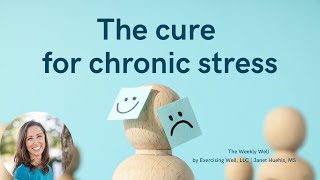
This episode shares a science-based, two-step solution for curing chronic stress by targeting its root causes. It simplifies stress reduction and includes a practical exercise to experience the benefits firsthand.

Is stretching worth your time? Science-based evidence shows its benefits extend beyond warming up to include stress reduction, improved flexibility, and combating sitting disease. Learn the essential elements of…
RT @AndyRenfree: (How) Does Affect Influence the Formation of Habits in Exercise? https://t.co/GZQTCjDJLk
(How) Does Affect Influence the Formation of Habits in Exercise? https://t.co/GZQTCjDJLk