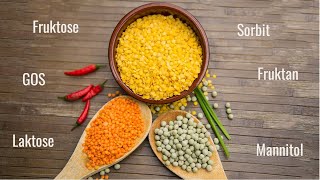
Discussions frequently support the idea that diet influences IBS, with mentions of dietary strategies like lowFODMAP, and emphasize the role of gut bacteria, indicated by phrases like 'modulate gut bacteria' and 'improve symptoms.' The tone is analytical and optimistic, reflecting a recognition of the research’s significance without overly enthusiastic language.
AgreementModerate agreement
Most discussions acknowledge the importance of diet in managing IBS and support the article’s findings, reflecting general agreement.
InterestHigh interest
High interest is evident as users discuss dietary interventions like lowFODMAP and the role of gut bacteria, indicating engagement with the topic.
EngagementModerate engagement
Comments reference the research and its implications for treatment, showing a moderate depth of engagement and curiosity.
ImpactModerate impact
While some discussions highlight potential clinical impact, many posts are exploratory rather than transformational.
Abstract in brief
Diet plays a significant role in the development and management of irritable bowel syndrome (IBS), which affects a considerable portion of the global population and varies between Asian and Western countries.
Dietary interventions like lowFODMAP and NICE diets can improve IBS symptoms and enhance patients' quality of life by modulating gut bacteria and restoring normal levels of gut endocrine cells.
The hypothesis suggests that diet acts as a prebiotic, fostering bacteria that influence intestinal cells, and that changes in these cells' density are linked to IBS symptoms, which can be improved through dietary modifications.
Many FODMAPs like lactose, fructose, and galacto-oligosaccharides can be confusing. Recent studies suggest not all FODMAP categories equally worsen IBS symptoms. This video explores which FODMAPs are problematic and…
Is the Low FODMAP Diet more than symptom relief? Recent Cambridge data show approximately 50 of IBS patients have a specific gut dysbiosis. The video explains how this dysbiosis underpins FODMAP intolerance and how…
 MA
MA SP
SP C
C FP
FP