 DM
DMDr T. Comeau , MD
@SCTNB · X
Concise review: how do red blood cells born, live, and die? | SpringerLink https://t.co/k2y0AAoX5D
Oct 1, 2021 · 1 like · 2,881 followers
View post →
Mentions
Extended reach
Total likes
Video views
AI synopsis
The discussion centers around clarifying the biological nature of red blood cells and their lifecycle, exemplified by comments like 'they are alive' and questions about the article's framing, with tone reflecting curiosity and a desire to understand the science rather than outright agreement or controversy.
The discussion suggests some confusion about the article's focus, with a slight tendency to disagree with the framing of red blood cell life cycles, but no strong disagreement is evident.
Participants show mild interest, primarily seeking clarification or framing the topic around broader concepts like cell life and reproduction.
Comments indicate a moderate level of engagement, questioning and attempting to interpret the scientific concepts rather than dismissing or deeply analyzing them.
The discussion does not seem to have a significant influence on opinions or knowledge, mainly focusing on clarifying the basic idea rather than on implications or applications.
Concise review: how do red blood cells born, live, and die? | SpringerLink https://t.co/k2y0AAoX5D
@TheRealJen07 @Liz_Wheeler This isn't saying what you think it's saying. You have cells in your body that are alive. They are "life" in a sense. https://t.co/sJNBwfWZe9 They're trying to explain something, here, the mammal's life cycle, specifically, reproduction. They frame the process. They...
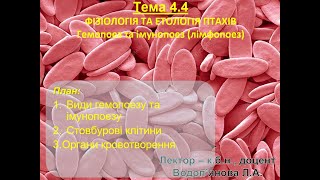
This video explores the ecological drivers behind skeletal pneumaticity, a key trait in avian species. We analyze how this characteristic affects bird physiology and evolution, drawing on recent studies including…
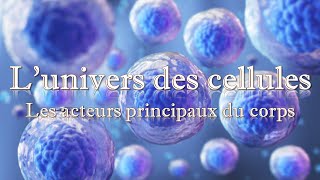
This video illustrates the essence of the human body with presentation of major systems and their key cells. It highlights how each cell type contributes to optimal body functions, emphasizing the importance of cellular…
@TheRealJen07 @Liz_Wheeler This isn't saying what you think it's saying. You have cells in your body that are alive. They are "life" in a sense. https://t.co/sJNBwfWZe9 They're trying to explain something, here, the mammal's life cycle, specifically, reproduction. They frame the process. They...
Concise review: how do red blood cells born, live, and die? | SpringerLink https://t.co/k2y0AAoX5D
 IG
IG