 FD
FD DC
DC DR
DR SR
SR SS
SS CF
CF F
F DJ
DJ JM
JM R
R JP
JP CS
CS TL
TL EK
EK MB
MB NS
NS AS
AS SM
SM L
L MA
MA JD
JD FC
FC GB
GB Jด
Jด DG
DG TU
TU F
F JD
JD ꛊ
ꛊShark Docs
Facebook
... 10.1111/j. 1365-2435.2012.01973.x Heim et al ... 2020.105683 Smukall et al., 2022 → Tiger shark population stability: https://doi.org/10.1111/jfb.15067.
Dec 14, 2025
View →
Mentions
Extended reach
Total likes
Video views
AI synopsis
The collective discussions demonstrate strong support for the study’s optimistic findings, with posts highlighting its implications for conservation success, such as 'Tiger Sharks appear to be on the rebound' and 'conservation efforts have led to slight increases.' The tone emphasizes the importance of the long-term data in understanding shark populations, contributing to the perception of meaningful positive impact in marine conservation.
Most posts express support and optimism about the findings, emphasizing conservation success and population recovery.
The discussions show high interest in long-term shark population trends, conservation efforts, and their implications.
Posts actively reference the study's data, highlights of the research, and implications, indicating a moderate depth of engagement.
The posts suggest that the publication reinforces conservation optimism, potentially influencing public attitudes and future policy discussions.
Is the #Bahamas #sharksanctuary doing its job at maintaining #shark populations? 35 years of Fisheries independent survey on the highly mobile
Tiger Sharks appear to be on the rebound in the NW Atlantic! Stable to increasing trends in abundance and length from long term monitoring efforts in the US and Bahamas. Nice work by Smukall et al. #OceanOptimism #SharkScience https://t.co/nExarRK1BW https://t.co/AG95Joz2Qz
Some #Oceanoptimism for a change: long term (35 year!) data from Bahamas suggest conservation efforts have led to slight increases in tiger shark populations. https://t.co/WENjUrHROp
A new paper lead by @BiminiSharkLab, in collaboration with Shedd Research, demonstrates the benefits of consistent long-term datasets for monitoring tiger shark abundance trends and assessing the success of shark conservation measures in The Bahamas: https://t.co/hBFondvlyB https://t.co/FCq1OPlQ0P
RT @FelicieDh: Is the #Bahamas #sharksanctuary doing its job at maintaining #shark populations? 35 years of Fisheries independent survey o…
RT @Mojoshark: Tiger Sharks appear to be on the rebound in the NW Atlantic! Stable to increasing trends in abundance and length from long t…
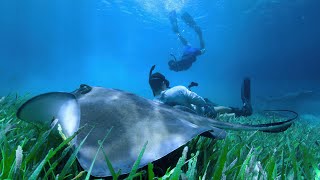
The Bahamas is a shark sanctuary struggling to protect its mangrove forests from development. This video discusses the importance of mangroves for wildlife, ecotourism, and fisheries, emphasizing the need to prioritize…

Sharks conflict and Sanctuary what's really happening in The Bahamas. Decades of data from research stations show that coastal shark populations are steady or recovering, thanks to protective measures like bans and…
#JFB: Thirty-five years of tiger shark Galeocerdo cuvier relative abundance near Bimini, Bahamas, and the Southeastern United States with a comparison across jurisdictional bounds https://t.co/R3vdbO0u6l #FishSci
RT @Mojoshark: Tiger Sharks appear to be on the rebound in the NW Atlantic! Stable to increasing trends in abundance and length from long t…
RT @Mojoshark: Tiger Sharks appear to be on the rebound in the NW Atlantic! Stable to increasing trends in abundance and length from long t…
RT @Mojoshark: Tiger Sharks appear to be on the rebound in the NW Atlantic! Stable to increasing trends in abundance and length from long t…
RT @Mojoshark: Tiger Sharks appear to be on the rebound in the NW Atlantic! Stable to increasing trends in abundance and length from long t…
RT @Mojoshark: Tiger Sharks appear to be on the rebound in the NW Atlantic! Stable to increasing trends in abundance and length from long t…
RT @Mojoshark: Tiger Sharks appear to be on the rebound in the NW Atlantic! Stable to increasing trends in abundance and length from long t…
RT @Mojoshark: Tiger Sharks appear to be on the rebound in the NW Atlantic! Stable to increasing trends in abundance and length from long t…
RT @Mojoshark: Tiger Sharks appear to be on the rebound in the NW Atlantic! Stable to increasing trends in abundance and length from long t…
RT @Mojoshark: Tiger Sharks appear to be on the rebound in the NW Atlantic! Stable to increasing trends in abundance and length from long t…
Tiger Sharks appear to be on the rebound in the NW Atlantic! Stable to increasing trends in abundance and length from long term monitoring efforts in the US and Bahamas. Nice work by Smukall et al. #OceanOptimism #SharkScience https://t.co/nExarRK1BW https://t.co/AG95Joz2Qz
RT @SheddResearch: A new paper lead by @BiminiSharkLab, in collaboration with Shedd Research, demonstrates the benefits of consistent long-…
A new paper lead by @BiminiSharkLab, in collaboration with Shedd Research, demonstrates the benefits of consistent long-term datasets for monitoring tiger shark abundance trends and assessing the success of shark conservation measures in The Bahamas: https://t.co/hBFondvlyB https://t.co/FCq1OPlQ0P
"Thirty-five years of tiger shark Galeocerdo cuvier relative abundance near Bimini, Bahamas" https://t.co/NLTOO4L7aW
Paper: Thirty-five years of tiger shark Galeocerdo cuvier relative abundance near Bimini, Bahamas, and the Southeastern United States with a comparison across jurisdictional bounds https://t.co/2Fa9WWPtSp
@BiminiSharkLab @FelicieDh Help your colleagues avoid a paywall by accessing the article from their libraries: https://t.co/QPDAqATwOF Simply add https://t.co/SXSePSX5De to the DOI URL when sharing articles on Twitter and everywhere else!
RT @FelicieDh: Is the #Bahamas #sharksanctuary doing its job at maintaining #shark populations? 35 years of Fisheries independent survey o…
RT @FelicieDh: Is the #Bahamas #sharksanctuary doing its job at maintaining #shark populations? 35 years of Fisheries independent survey o…
RT @FelicieDh: Is the #Bahamas #sharksanctuary doing its job at maintaining #shark populations? 35 years of Fisheries independent survey o…
RT @FelicieDh: Is the #Bahamas #sharksanctuary doing its job at maintaining #shark populations? 35 years of Fisheries independent survey o…
RT @FelicieDh: Is the #Bahamas #sharksanctuary doing its job at maintaining #shark populations? 35 years of Fisheries independent survey o…
RT @FelicieDh: Is the #Bahamas #sharksanctuary doing its job at maintaining #shark populations? 35 years of Fisheries independent survey o…
RT @sawsharkman: Some #Oceanoptimism for a change: long term (35 year!) data from Bahamas suggest conservation efforts have led to slight i…
RT @FelicieDh: Is the #Bahamas #sharksanctuary doing its job at maintaining #shark populations? 35 years of Fisheries independent survey o…
RT @FelicieDh: Is the #Bahamas #sharksanctuary doing its job at maintaining #shark populations? 35 years of Fisheries independent survey o…
RT @FelicieDh: Is the #Bahamas #sharksanctuary doing its job at maintaining #shark populations? 35 years of Fisheries independent survey o…
RT @FelicieDh: Is the #Bahamas #sharksanctuary doing its job at maintaining #shark populations? 35 years of Fisheries independent survey o…
RT @FelicieDh: Is the #Bahamas #sharksanctuary doing its job at maintaining #shark populations? 35 years of Fisheries independent survey o…
Is the #Bahamas #sharksanctuary doing its job at maintaining #shark populations? 35 years of Fisheries independent survey on the highly mobile
Some #Oceanoptimism for a change: long term (35 year!) data from Bahamas suggest conservation efforts have led to slight increases in tiger shark populations. https://t.co/WENjUrHROp
Thirty‐five years of tiger shark Galeocerdo cuvier relative abundance near Bimini, Bahamas, and the Southeastern United States with a comparison across jurisdictional bounds https://onlinelibrary.wiley.com/doi/10.1111/jfb.15067?af=R
... 10.1111/j. 1365-2435.2012.01973.x Heim et al ... 2020.105683 Smukall et al., 2022 → Tiger shark population stability: https://doi.org/10.1111/jfb.15067.
Panamericana Sur, Km 19, Lima 15067, Peru. ... https://doi. Stevens, J. D., Bonfil, R., Dulvy, N. K., & Walker, P. A. (2000). The effects of org/10.1111/jfb.14624
... ., 2022 → Tiger shark population stability: https://doi.org/10.1111/jfb.15067. more. November 12 · shark_docs's profile picture. shark_docs. •.