 AC
 PS
 C
 TS
 DC
 HA
 A
 TE
 LP
 DH
 DR
 DD
 AC
 AM
 RJ
 MF
 MF
 IW
 GA
 AK
 ΩB
 LH
 M
 FB
 JO
 W
 JD
 C
 I
《悲傷的人可以使用什麼DBT技巧?(3)》 文/周昕韻諮商心理師 ...
Facebook
org/journals/integrative- neuroscience/articles/10.3389/fnint.2022.871227/full [3] https://en.wikipedia.org/wiki/Polyvagal_theory [4] https://www ...
Dec 19, 2025
View →
Mentions
Extended reach
Total likes
Video views
AI synopsis
The overall tone is highly positive, with many posts referencing Stephen Porges' work as game-changing and emphasizing its practical importance for trauma and social connection. The use of phrases like 'supports health and growth' and mentions of webinars and personal stories demonstrate strong engagement and belief in the theory's impact, highlighting its relevance beyond academic discussion into real-world applications.
Most discussions express strong support and validation for the theory, citing its relevance and usefulness in understanding safety and trauma.
Posts show high engagement with the subject, referencing webinars, practical applications, and personal relevance, indicating a genuine interest.
Participants actively discuss concepts like the nervous system and their own experiences, suggesting deep involvement and critical engagement.
Many posts highlight the theory's significance in improving mental health, therapy, and societal health, emphasizing its transformative potential.
"Basically, when humans feel safe, their nervous systems support the homeostatic functions of health, growth, and restoration, while they simultaneously become accessible to others without feeling or expressing threat and vulnerability." Porges 2022 https://t.co/jpGbB4RT2n
https://t.co/xNLDvA8wHJ
Polyvagal Theory: A Science of Safety Presented by Stephen Porges, PhD This webinar will be presented live on Wednesday April 3rd, 2024 at 4pm US Eastern time. #NBO #Polyvagal #infantmentalhealth #safe click link to book⬇️ https://t.co/Vfh3kT7Gkr
https://t.co/YKdv7mHPuS The neuroscience of the sense of safety. Play Therapy helps an individual to channel their sense of safety #EmotionalWellness #playtherapy #polyvagaltheory #interoception @SPT_Institute @WhatWorksIrl @nurtureireland @HsehealthW @tusla
https://t.co/Vop0l3cKmt
@DavidGilbert43 @miriamtaylor55 polyvagal theory ties it in to the body via the nerves that connect the brain to the body https://t.co/p32oVt8rXk

Psychology reveals surprising strategies that protect your energy set boundaries and keep manipulators from controlling your life. This video covers science-backed habits used by emotionally intelligent people to handle…

This video explores how anxiety affects movement and immune response, highlighting recent neurophysiological research and the role of the autonomic nervous system. It emphasizes the importance of safety in promoting…

Today we reflect on one of the most traumatic couples in anime. Understand how their story mirrors our daily relationships, emphasizing neurophysiological processes of safety rooted in the autonomic nervous system…

In this episode, experts discuss how Polyvagal Theory explains our nervous system responses to safety cues, emphasizing touch's role in regulation and connection, with practical insights for bodyworkers and manual…

Discover the connection between eating disorders and the nervous system in this insightful talk with psychological therapist Stefan Walters Stefan explains how emotional dysregulation trauma and attachment patterns can…

Ever walked away from a fight with your partner and thought why did that feel worse than the actual problem? This video explores how certain phrases damage connection and what to say instead, backed by psychological…


Dr. Mo discusses Polyvagal Theory and how feelings of safety originate from neurophysiological processes involving the autonomic nervous system, highlighting implications for health, social connections, and societal…

In this episode, Xavier Bonilla discusses with Stephen Porges the importance of safety, the vagus nerve, and polyvagal theory. They explore how neurophysiological processes underpin feelings of safety and social…
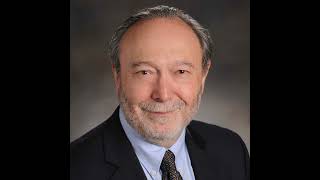
In this episode, Til Luchau and Whitney Lowe explore how our nervous systems respond to safety cues through the lens of Polyvagal Theory, with insights from Dr. Stephen Porges on regulation, trauma, and connection for…


Understanding how kindness and self-compassion influence the brain can improve communication, emotional regulation, and emotional safety. This video explores the science behind these processes and their impact on mental…

La neurocepción de seguridad no es solo a nivel de cognición, sino que está corporeizada a través de los efectos del sistema nervioso autónomo en nuestra fisiología. La comunicación es bidireccional. https://t.co/qMKO6yX5Ub
https://t.co/xNLDvA8wHJ
@KarenWhitworth @FuturebyJana @Liu_eroteme @NTFabiano Boooo clunky theory. try this subconscious constant process of perception concept https://t.co/KhSxmmFJlV
"Internal competence precedes external competence." Stephen Porges, "Polyvagal Theory: A Science of Safety" https://t.co/SmlS6djoWd
迷走神经与消化和情绪的关系(激活迷走神经的10个方法) https://t.co/V4w7nqUcD1 14:45 鹏哥谈健康 24.5萬位訂閱者
https://t.co/Vop0l3cKmt
RT @lesa_painter: @thecoercednurse https://t.co/Cfg0uoK5wj
@thecoercednurse https://t.co/Cfg0uoK5wj
RT @Perinatal_SIG: Polyvagal Theory: A Science of Safety Presented by Stephen Porges, PhD This webinar will be presented live on Wednesday…
RT @Perinatal_SIG: Polyvagal Theory: A Science of Safety Presented by Stephen Porges, PhD This webinar will be presented live on Wednesday…
RT @Perinatal_SIG: Polyvagal Theory: A Science of Safety Presented by Stephen Porges, PhD This webinar will be presented live on Wednesday…
RT @Perinatal_SIG: Polyvagal Theory: A Science of Safety Presented by Stephen Porges, PhD This webinar will be presented live on Wednesday…
Polyvagal Theory: A Science of Safety Presented by Stephen Porges, PhD This webinar will be presented live on Wednesday April 3rd, 2024 at 4pm US Eastern time. #NBO #Polyvagal #infantmentalhealth #safe click link to book⬇️ https://t.co/Vfh3kT7Gkr
Polyvagal Theory: A Science of Safety https://t.co/ZnhvQ411UY Porges gets better and better. #PolyVagal for me!
Frontiers | Polyvagal Theory: A Science of Safety https://t.co/7mlCLfdb6U
@georg_henning @psychokraemer @tkaiser_science @Typdahalt @BeAschenbrenner https://t.co/6JvACGdmcW
For those working on how humans as social mammals can feel safe and secure, individually and collectively. https://t.co/GkLP0bwvGP
@NorbaTuli1970 @drkohilathas https://t.co/7va7NZvy8l
@PsychToday Next stop for those just now learning about the mental health connection between the brain and the gut: polyvagal theory. It's been really helpful to me as a complex trauma survivor. https://t.co/kcTf0iTdao
@DavidGilbert43 @miriamtaylor55 polyvagal theory ties it in to the body via the nerves that connect the brain to the body https://t.co/p32oVt8rXk
https://t.co/YKdv7mHPuS The neuroscience of the sense of safety. Play Therapy helps an individual to channel their sense of safety #EmotionalWellness #playtherapy #polyvagaltheory #interoception @SPT_Institute @WhatWorksIrl @nurtureireland @HsehealthW @tusla
Polyvagal Theory: A Science of Safety https://t.co/iAZKMnOdHF
Polyvagal Theory: A Science of Safety https://t.co/gErpJDsIvt
RT @mr_corcorana: "Basically, when humans feel safe, their nervous systems support the homeostatic functions of health, growth, and restora…
RT @mr_corcorana: "Basically, when humans feel safe, their nervous systems support the homeostatic functions of health, growth, and restora…
RT @mr_corcorana: "Basically, when humans feel safe, their nervous systems support the homeostatic functions of health, growth, and restora…
RT @mr_corcorana: "Basically, when humans feel safe, their nervous systems support the homeostatic functions of health, growth, and restora…
RT @mr_corcorana: "Basically, when humans feel safe, their nervous systems support the homeostatic functions of health, growth, and restora…
RT @mr_corcorana: "Basically, when humans feel safe, their nervous systems support the homeostatic functions of health, growth, and restora…
RT @mr_corcorana: "Basically, when humans feel safe, their nervous systems support the homeostatic functions of health, growth, and restora…
"Basically, when humans feel safe, their nervous systems support the homeostatic functions of health, growth, and restoration, while they simultaneously become accessible to others without feeling or expressing threat and vulnerability." Porges 2022 https://t.co/jpGbB4RT2n
#Polyvagal Theory: A #Science of Safety https://t.co/6bV7W8TZfi
org/journals/integrative- neuroscience/articles/10.3389/fnint.2022.871227/full [3] https://en.wikipedia.org/wiki/Polyvagal_theory [4] https://www ...
frontiersin.org/journals/integrative- neuroscience/articles/10.3389/fnint. 2022.871227/full? * “Evidence of altered cardiac autonomic regulation in myalgic ...
... 10.3389/fnint.2022.871227/full Coregulation: A Multilevel Approach via Biology and Behavior National Institutes of Health (NIH) https://pmc.ncbi.nlm.nih.gov ...
(May 2022): 871227, https://doi.org/10.3389/fnint.2022.871227. GO TO NOTE REFERENCE IN TEXT. the human voice sounds special: Porges, “Polyvagal Theory.” GO ...
10.3389/fnint.2022.871227. Riccardi, M., Hinz, L. D., Gingras, G., & Bat‐Or, M. (2023, October). Connecting through the Expressive Therapies Continuum: The ...
https://doi.org/10.3389/fnint.2022.871227. Rajabalee, N., Kozlowska, K., Lee, S. Y., Savage, B., Hawkes, C., Siciliano, D., Porges, S. W., Pick, S., & Torbey ...
org/articles/10.3389/fnint.2022.871227/full. ... disability in severely mentally ill Company. ... .nih.gov/30836316/. Emergence of Polyvagal-Informed Therapies.
https://doi.org/10.3389/fnint.2022.871227. Porges, S. W. (2023). The vagal paradox: A polyvagal solution. Comprehensive. Psychoneuroendocrinology, 16, 100200 ...
... 10.3389/fnint.2022.871227 therapeutic relationships. Journal of Psychotherapy Porges, S. W., & Dana, D. (2018). Clinical applications of the. Integration, 24 ...
16:871227. doi. 10.3389/fnint.2022.871227. Porges, S. W. (2017): Die Polyvagal-Theorie und die Suche nach Sicherheit. Lichtenau/ Westfalen: ...
Polyvagal Theory: A science of safety. Frontiers in Integrative Neuroscience, 16, 871227. https://doi.org/10.3389/fnint. 2022.871227.
https://doi.org/10.3389/fnint.2022.871227. Tibbitts DC, Aicher SA, Sugg J, Handloser K, Eisman L, Booth LD, Bradley RD. Program evaluation of trauma-informed ...
neuroscience, 16, 871227. https://doi.org/10.3389/fnint.2022.871227 A relentless search? A hopeless experience? © 2024 Deb Dana, LCSW © 2024 ...
10.3389/fnint.2022.871227Poquérusse, J., Pastore, L., Lisboa: Papa-Letras, 2016. Dellantonio, S., & Esposito, G. (2018). Alexithymia and Autism Tsigos, C ...
... 10.3389/fnint.2022.871227 Disclaimer: This content is for informational purposes only and does not constitute medical advice. Please consult ...
https://www.frontiersin.org/articles/10.3389/fnint.2022.871227 #astucedujour #soutienmental #partagebienêtre #routineantistress ...
... 10.3389/fnint.2022.871227 Disclaimer: This content is for informational purposes only and does not constitute medical advice. Please consult ...
... 10.3389/fnint.2022.871227 Disclaimer: This content is for informational purposes only and does not constitute medical advice. Please consult ...
... 10.3389/fnint.2022.871227 Disclaimer: This content is for informational purposes only and does not constitute medical advice. Please consult ...
... 10.3389/fnint.2022.871227 Disclaimer: This content is for informational purposes only and does not constitute medical advice. Please consult ...
... 10.3389/fnint.2022.871227 Disclaimer: This content is for informational purposes only and does not constitute medical advice. Please consult ...
... 10.3389/fpsyt.2020.601519 A review of visual sustained attention ... fnint.2022.871227 Disclaimer: This content is for informational ...
org/journals/integrative- neuroscience/articles/10.3389/fnint. 2022.871227/full. frontiersin.org. Frontiers | Polyvagal Theory: A Science of ...
... 10.3389/fnint.2022.871227 Disclaimer: This content is for informational purposes only and does not constitute medical advice. Please consult ...
... 10.3389/fnint. 2022.871227/full? * “Evidence of altered cardiac autonomic regulation in myalgic encephalomyelitis/chronic fatigue syndrome ...
... 10.3389/fnint.2022.871227 Disclaimer: This content is for informational purposes only and does not constitute medical advice. Please consult ...
... 10.3389/fnint.2022.871227 Disclaimer: This content is for informational purposes only and does not constitute medical advice. Please consult ...
https://doi.org/10.3389/fnint.2022.871227. Rosenberg, M. A. S., et al. (2020). A scoping review of interventions targeting allostatic load ...
https://doi.org/10.3389/fnint.2022.871227. Annotation: Porges presents polyvagal theory, showing how perceptions of safety or threat shape ...
... 10.3389/fnint. 2022.871227/full? * “Evidence of altered cardiac autonomic regulation in myalgic encephalomyelitis/chronic fatigue syndrome ...
... 10.3389/fnint.2022.871227 Disclaimer: This content is for informational purposes only and does not constitute medical advice. Please consult ...
... 10.3389/fnint.2022.871227 Disclaimer: This content is for informational purposes only and does not constitute medical advice. Please consult ...
" https://www.frontiersin.org/articles/10.3389/fnint. 2022.871227/full?fbclid=IwAR2CU0KbVQjKLhnpbI06 NmxHVnq_f7SrbX1UJKrkmyfYiZQx2HJvKpNlDC8.
... 10.3389/fnint. 2022.871227/full? * “Evidence of altered cardiac autonomic regulation in myalgic encephalomyelitis/chronic fatigue syndrome ...
Polyvagal theory: A science of safety. Frontiers in Integrative Neuroscience, 871227. https://doi.org/10.3389/fnint.2022.871227.
doi: 10.3389/fnint.2022.871227 PMCID: PMC9131189 PMID: 35645742. green to blue (slowed + reverbed) - daniel.mp3. 40Likes. 2 ...
... 10.3389/fnint. 2022.871227/full? * “Evidence of altered cardiac autonomic regulation in myalgic encephalomyelitis/chronic fatigue syndrome ...
... 10.3389/fnint.2022.871227 Disclaimer: This content is for informational purposes only and does not constitute medical advice. Please consult ...
frontiersin.org/journals/integrative- neuroscience/articles/10.3389/fnint. 2022.871227/full? * “Evidence of altered cardiac autonomic ...
" https://www.frontiersin.org/articles/10.3389/fnint. 2022.871227/full?fbclid=IwAR2CU0KbVQjKLhnpbI06 NmxHVnq_f7SrbX1UJKrkmyfYiZQx2HJvKpNlDC8.
... 10.3389/fnint.2022.871227 Disclaimer: This content is for informational purposes only and does not constitute medical advice. Please consult ...
... 10.3389/fnint.2022.871227 Disclaimer: This content is for informational purposes only and does not constitute medical advice. Please consult ...
Photo by Flavia Pereira on October 03, 2025. May be a meme of poster.
... 10.3389/fnint.2022.871227 Disclaimer: This content is for informational purposes only and does not constitute medical advice. Please consult ...
... 10.3389/fnint.2022.871227 Disclaimer: This content is for informational purposes only and does not constitute medical advice. Please consult ...
... 10.3389/fnint.2022.871227 Disclaimer: This content is for informational purposes only and does not constitute medical advice. Please consult ...
https://doi.org/10.3389/fnint.2022.871227 #NeuroNow #Neuroscience #BiologicalLife #Learning #CognitiveWellbeing · May be a graphic of text.
... 10.3389/fnint. 2022.871227/full? * “Evidence of altered cardiac autonomic regulation in myalgic encephalomyelitis/chronic fatigue syndrome ...
... 10.3389/fnint. 2022.871227/full? * “Evidence of altered cardiac autonomic regulation in myalgic encephalomyelitis/chronic fatigue syndrome ...
... 10.3389/fnint. 2022.871227/full? * “Evidence of altered cardiac autonomic regulation in myalgic encephalomyelitis/chronic fatigue syndrome ...
... 10.3389/fnint.2022.871227 Disclaimer: This content is for informational purposes only and does not constitute medical advice. Please consult ...
... 10.3389/fnint.2022.871227 Disclaimer: This content is for informational purposes only and does not constitute medical advice. Please consult ...
... 10.3389/fnint.2022.871227 Disclaimer: This content is for informational purposes only and does not constitute medical advice. Please consult ...
... 10.3389/ fnint.2022.871227 #Glimmers #FindingGlimmers #MentalWellbeing #Wellbeing #Neurodiversity #Neurodivergence #Neurodivergent #Safety ...
... 10.3389/fnint.2022.871227 Disclaimer: This content is for informational purposes only and does not constitute medical advice. Please consult ...
" https://www.frontiersin.org/articles/10.3389/fnint. 2022.871227/full?fbclid=IwAR2CU0KbVQjKLhnpbI06 NmxHVnq_f7SrbX1UJKrkmyfYiZQx2HJvKpNlDC8.
... 10.3389/fnint. 2022.871227/full? * “Evidence of altered cardiac autonomic regulation in myalgic encephalomyelitis/chronic fatigue syndrome ...
https://doi.org/10.3389/fnint.2022.871227. Rogers, C. (1959). A theory of therapy, personality and interpersonal relationships as developed ...
" https://www.frontiersin.org/articles/10.3389/fnint. 2022.871227/full?fbclid=IwAR2CU0KbVQjKLhnpbI06 NmxHVnq_f7SrbX1UJKrkmyfYiZQx2HJvKpNlDC8.
" https://www.frontiersin.org/articles/10.3389/fnint. 2022.871227/full?fbclid=IwAR2CU0KbVQjKLhnpbI06 NmxHVnq_f7SrbX1UJKrkmyfYiZQx2HJvKpNlDC8.
... 10.3389/fnint.2022.871227 Disclaimer: This content is for informational purposes only and does not constitute medical advice. Please consult ...
... 10.3389/fnint. 2022.871227/full? * “Evidence of altered cardiac autonomic regulation in myalgic encephalomyelitis/chronic fatigue syndrome ...
... 10.3389/fnint.2022.871227 Disclaimer: This content is for informational purposes only and does not constitute medical advice. Please consult ...
... 10.3389/fnint.2022.871227 Disclaimer: This content is for informational purposes only and does not constitute medical advice. Please consult ...
... 10.3389/fnint. 2022.871227/full? * “Evidence of altered cardiac autonomic regulation in myalgic encephalomyelitis/chronic fatigue syndrome ...
... 10.3389/fnint.2022.871227 Disclaimer: This content is for informational purposes only and does not constitute medical advice. Please consult ...
... 10.3389/fnint. 2022.871227/full? * “Evidence of altered cardiac autonomic regulation in myalgic encephalomyelitis/chronic fatigue syndrome ...
https://doi.org/10.3389/fnint.2022.871227 #NeuroNow #Neuroscience #BiologicalLife #Learning #CognitiveWellbeing · May be a graphic of text.
... 10.3389/fnint. 2022.871227/full? * “Evidence of altered cardiac autonomic regulation in myalgic encephalomyelitis/chronic fatigue syndrome ...
... 10.3389/fnint.2022.871227/full https://www.mdpi.com/1660-4601/18/22/11778 https://pmc.ncbi.nlm.nih.gov/articles/PMC5859128/ https://www ...
Boston, MA: Springer. Porges SW (2022) Polyvagal Theory: A Science of Safety. Front. Integr. Neurosci. 16:871227. doi: 10.3389/fnint.2022.871227.
That's your fight, flight, or freeze response in action - your body's built-in survival system trying to protect you. But sometimes, our body still senses ...
... 10.3389/fnint.2022.871227/full [3] https://en.wikipedia.org/wiki/Polyvagal_theory [4] https://www.lawsonpsychology.com.au/understanding ...
... /integrative-neuroscience/articles/10.3389/fnint.2022.871227/full. more. View all 4 comments. March 5 · imge_psikolojik_hizmetler. •. Follow.
... 10.3389/fnint.2022.871227/full. more. View all 4 comments. March 5 · Sign up • Instagram · Meta · About · Blog · Jobs · Help · API · Privacy.
... 10.3389/fnint. 2022.871227/full? * “Evidence of altered cardiac autonomic regulation in myalgic encephalomyelitis/chronic fatigue syndrome ...
... 10.3389/fnint. 2022.871227/full? * “Evidence of altered cardiac autonomic regulation in myalgic encephalomyelitis/chronic fatigue syndrome ...
... 10.3389/fnint.2022.871227 Porges, S. W. (2021). Polyvagal Theory: A biobehavioral journey to sociality. Comprehensive ...
... ://doi.org/10.3389/fnint.2022.871227 Porges, S. W. (2021). Polyvagal Theory: A biobehavioral journey to sociality. Comprehensive ...
... 10.3389/fnint. 2022.871227/full? * “Evidence of altered cardiac autonomic regulation in myalgic encephalomyelitis/chronic fatigue syndrome ...
" https://www.frontiersin.org/articles/10.3389/fnint. 2022.871227/full?fbclid=IwAR2CU0KbVQjKLhnpbI06 NmxHVnq_f7SrbX1UJKrkmyfYiZQx2HJvKpNlDC8.
" https://www.frontiersin.org/articles/10.3389/fnint. 2022.871227/full?fbclid=IwAR2CU0KbVQjKLhnpbI06 NmxHVnq_f7SrbX1UJKrkmyfYiZQx2HJvKpNlDC8.
... 10.3389/fnint. 2022.871227/full? * “Evidence of altered cardiac autonomic regulation in myalgic encephalomyelitis/chronic fatigue syndrome ...
Frontiers in Integrative Science, 16. https://doi.org/10.3389/fnint.2022.871227. More references. Share on Facebook Share · Share on X Tweet.
... ://www.frontiersin. org/articles/10.3389/fnint.2022.871227. frontiersin.org. Polyvagal Theory: A Science of Safety. 2 yrs. 5. Daniel Shaw.
https://doi.org/10.3389/fnint.2022.871227. 38. Mercer J, Erickson-Owens D, Rabe H, Jefferson K, Andersson 56. Ludwig RJ, Welch MG. Wired to ...
... 10.3389/fnint. 2022.871227/full? * “Evidence of altered cardiac autonomic regulation in myalgic encephalomyelitis/chronic fatigue syndrome ...
doi: 10.3389/ fnint.2022.871227 #Glimmers #FindingGlimmers #MentalWellbeing #Wellbeing #Neurodiversity #Neurodivergence #Neurodivergent ...
... 10.3389/fnint. 2022.871227/full? * “Evidence of altered cardiac autonomic regulation in myalgic encephalomyelitis/chronic fatigue syndrome ...
DOI: https://doi.org/10.3389/fnint/2022.871227. Soussignan, R. (2002). Duchenne smile, emotional experience, and autonomic reactivity: A test ...
... 10.3389/fnint. 2022.871227/full? * “Evidence of altered cardiac autonomic regulation in myalgic encephalomyelitis/chronic fatigue syndrome ...
... 10.3389/fnint.2022.871227/full https://drstephensideroff.com/mirror-neurons-on-the-wall/ Wishing you all success in your journey to create a ...
Sehen Sie sich diese Artikel über Spiegelneuronen an https://www.frontiersin.org/articles/10.3389/fnint.2022.871227/full https ...
... 10.3389/fnint.2022.871227. More references. Share on Facebook Share. Share on X Tweet. Share on Bluesky. Share on LinkedIn Share.
... 10.3389/fnint. 2022.871227/full? * “Evidence of altered cardiac autonomic regulation in myalgic encephalomyelitis/chronic fatigue syndrome ...
... 10.3389/fnint. 2022.871227/full? * “Evidence of altered cardiac autonomic regulation in myalgic encephalomyelitis/chronic fatigue syndrome ...
" https://www.frontiersin.org/articles/10.3389/fnint. 2022.871227/full?fbclid=IwAR2CU0KbVQjKLhnpbI06 NmxHVnq_f7SrbX1UJKrkmyfYiZQx2HJvKpNlDC8.
" https://www.frontiersin.org/articles/10.3389/fnint. 2022.871227/full?fbclid=IwAR2CU0KbVQjKLhnpbI06 NmxHVnq_f7SrbX1UJKrkmyfYiZQx2HJvKpNlDC8.
... 10.3389/fnint. 2022.871227/full? * “Evidence of altered cardiac autonomic regulation in myalgic encephalomyelitis/chronic fatigue syndrome ...
... 10.3389/fnint. 2022.871227/full? * “Evidence of altered cardiac autonomic regulation in myalgic encephalomyelitis/chronic fatigue syndrome ...
... 10.3389/fnint. 2022.871227/full? * “Evidence of altered cardiac autonomic regulation in myalgic encephalomyelitis/chronic fatigue syndrome ...
" https://www.frontiersin.org/articles/10.3389/fnint. 2022.871227/full?fbclid=IwAR2CU0KbVQjKLhnpbI06 NmxHVnq_f7SrbX1UJKrkmyfYiZQx2HJvKpNlDC8.
" https://www.frontiersin.org/articles/10.3389/fnint. 2022.871227/full?fbclid=IwAR2CU0KbVQjKLhnpbI06 NmxHVnq_f7SrbX1UJKrkmyfYiZQx2HJvKpNlDC8.
frontiersin.org/journals/integrative- neuroscience/articles/10.3389/fnint. 2022.871227/full? * “Evidence of altered cardiac autonomic ...
... 10.3389/fnint. 2022.871227/full? * “Evidence of altered cardiac autonomic regulation in myalgic encephalomyelitis/chronic fatigue syndrome ...
" https://www.frontiersin.org/articles/10.3389/fnint. 2022.871227/full?fbclid=IwAR2CU0KbVQjKLhnpbI06 NmxHVnq_f7SrbX1UJKrkmyfYiZQx2HJvKpNlDC8.