Discussions reflect a recognition of the study's importance, as exemplified by posts sharing the article and noting its relevance to understanding PD symptoms, with language like 'new understanding' and 'advancements' indicating respect and interest, though only a few posts delve into detailed implications or critique.
AgreementNeither agree nor disagree
The discussions neither strongly agree nor disagree but acknowledge the importance of the research, recognizing its relevance to clinical practice and understanding of PD-related constipation.
InterestModerate interest
The posts show moderate interest, highlighting the publication's significance and sharing related content, but lack deep critical engagement.
EngagementModerate engagement
Some posts reference clinical experiences and emphasize the study's implications, indicating a basic level of engagement that moves beyond surface-level sharing.
ImpactModerate impact
The discussions suggest that the publication may influence ongoing research and clinical approaches, particularly in recognizing constipation as an early symptom and treatment target.
Abstract in brief
Constipation is a common early nonmotor symptom of Parkinson's disease (PD) that often predates motor symptoms by several years, with its prevalence increasing as the disease progresses.
The underlying mechanisms of PD-related constipation are not fully understood, but it is known that chronic constipation can slow gastric emptying and impair absorption of PD medications like levodopa and dopamine agonists.
The review emphasizes the need to understand the molecular basis of constipation in PD and highlights recent advancements in treatment strategies to manage this symptom effectively.]
New Research: New Understanding on the Pathophysiology and Treatment of Constipation in Parkinson’s Disease: Constipation, one of the most common prodromal non-motor symptoms of Parkinson’s disease (PD), usually occurs several years… https://t.co/pQq13upuGo #ageing #neuroscience
@sameerjauhar Clinically I have some great cases ! With transformations that I use in teaching. Dopaminergic agents ( or dopaminergic & noradrenergic potentiation is key. The clinical picture is deceptive. Hence the misdiagnosis in my opinion https://t.co/EDJOAXNssV
Sharing an article from Weidong Le, Editor-in-Chief of @OAE_AgeNeuDis. @FrontNeurosci
Title: New Understanding on the Pathophysiology and Treatment of #Constipation in #Parkinson’s Disease
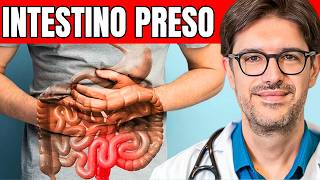
Constipation is a common symptom in Parkinson's disease that impacts quality of life. This video explains its causes, common mistakes in treatment, and how proper management—including probiotic use—can restore…
This video explores the connection between Parkinson's disease and intestinal constipation, highlighting symptoms, causes, and available treatments. It emphasizes the importance of early recognition and management of…
@sameerjauhar Clinically I have some great cases ! With transformations that I use in teaching. Dopaminergic agents ( or dopaminergic & noradrenergic potentiation is key. The clinical picture is deceptive. Hence the misdiagnosis in my opinion https://t.co/EDJOAXNssV
Sharing an article from Weidong Le, Editor-in-Chief of @OAE_AgeNeuDis. @FrontNeurosci
Title: New Understanding on the Pathophysiology and Treatment of #Constipation in #Parkinson’s Disease
New Research: New Understanding on the Pathophysiology and Treatment of Constipation in Parkinson’s Disease: Constipation, one of the most common prodromal non-motor symptoms of Parkinson’s disease (PD), usually occurs several years… https://t.co/pQq13upuGo #ageing #neuroscience
 FN
 DM
 AD
 H