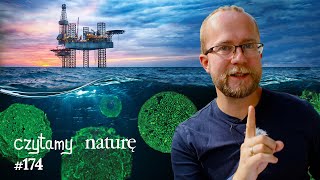
The discussions reveal a strong interest and approval of the work done on Alcanivorax borkumensis, with phrases like 'excellent research' and 'very impressive work' highlighting the enthusiasm. The context emphasizes importance by linking the research to real-world applications, such as oil spill remediation, giving a sense of urgency and relevance to the findings.
AgreementStrong agreement
Almost all discussions align positively with the findings of the article, showing strong support for the research regarding the role of biofilms in oil degradation.
InterestHigh interest
The discussions reflect a high level of curiosity about the implications of the findings, particularly in the context of environmental science.
EngagementModerate engagement
While some users showed deep engagement by recommending related research, others maintained a more superficial level of interaction.
ImpactHigh impact
Many discussions suggest that the findings have significant implications for managing oil spills and understanding microbial action in environmental cleanup efforts.
Abstract in brief
The consumption of alkanes leads to the formation of a biofilm around oil droplets, though the exact role of this biofilm in degradation is not fully understood.
Researchers observed changes in biofilm structure over time, specifically the development of dendritic forms that enhance oil consumption through interface tubulation.
A microfluidic tracking method allowed the team to link tubulation to defects in how cells are structured at the interface, demonstrating that these defects can manipulate droplet shapes and are connected to lower interfacial tension and higher cell hydrophobicity.
After an oil spill, humans rush to the scene to minimize impacts. But if the oil sticks around long enough, nature’s responders—bacteria such as Alcanivorax borkumensis—start to roll in.
Research from last year shows how this bacterium breaks oil down: https://t.co/l2v7dWRI9S https://t.co/Hj20EpFcvi
“Oil-eating” Alcanivorax borkumensis bacteria form “dendritic” biofilms that reshape oil droplets to speed up the rate of consumption, a new Science study finds. The results reveal how this particular bacterium optimizes oil biodegradation and consumption. https://t.co/EZCBAKccQ3 https://t.co/CL8mZ65qwq
Aug 25, 2023 · 110 likes · 29 shares · 4,515,916 followersView post →
SM
Science Magazine
@ScienceMagazine · X
“Oil-eating” Alcanivorax borkumensis bacteria form “dendritic” biofilms that reshape oil droplets to speed up the rate of consumption, a new Science study finds. The results reveal how this particular bacterium optimizes oil biodegradation and consumption. https://t.co/iMI3ZvUUbJ https://t.co/BE3i88EuWl
Aug 23, 2023 · 87 likes · 28 shares · 4,515,916 followersView post →
SM
Science Magazine
@ScienceMagazine · X
After an oil spill, humans rush to the scene to minimize impacts. But if the oil sticks around long enough, nature’s responders—bacteria such as Alcanivorax borkumensis—start to roll in.
Research from last year shows how this bacterium breaks oil down: https://t.co/7cnCuZ9UQl https://t.co/aHm03vx8zf
In this episode of Czytamy naturę, we explore how biofilms enhance oil degradation around oil droplets. We discuss the intricate connection between biofilm structure and oil consumption, revealing how dendritic designs…
After an oil spill, bacteria such as Alcanivorax borkumensis contribute to cleanup by consuming oil. Researchers studied how a biofilm forms around oil droplets, facilitating the breakdown process through dendritic…
After an oil spill, humans rush to the scene to minimize impacts. But if the oil sticks around long enough, nature’s responders—bacteria such as Alcanivorax borkumensis—start to roll in.
Research from last year shows how this bacterium breaks oil down: https://t.co/7cnCuZ9UQl https://t.co/aHm03vx8zf
After an oil spill, humans rush to the scene to minimize impacts. But if the oil sticks around long enough, nature’s responders—bacteria such as Alcanivorax borkumensis—start to roll in.
Research from last year shows how this bacterium breaks oil down: https://t.co/l2v7dWRI9S https://t.co/Hj20EpFcvi
I also highly recommend the accompanying paper by Prasad et al. for further analysis of how these droplets are degraded. Very impressive work!
https://t.co/8hwYEGm7io
Sep 14, 2023 · 1 like · 1 share · 30 followersView post →
RT @mprasad0214: Today, a major part of my 5 yrs postdoc work at @UNIV_TSUKUBA_EN is out in @ScienceMagazine. Congratulation to all authors…
Aug 28, 2023 · 13 shares · 1,791 followersView post →
L
Lily
@Rin_lilies · X
RT @ScienceMagazine: “Oil-eating” Alcanivorax borkumensis bacteria form “dendritic” biofilms that reshape oil droplets to speed up the rate…
Aug 26, 2023 · 29 shares · 35 followersView post →
FA
Francisco Aguilera
@dartagnanfa1 · X
RT @ScienceMagazine: “Oil-eating” Alcanivorax borkumensis bacteria form “dendritic” biofilms that reshape oil droplets to speed up the rate…
Aug 26, 2023 · 29 shares · 214 followersView post →
CC
Compactar Ciudades contra el Cambio Climático
@MaterNaturaONG · X
RT @ScienceMagazine: “Oil-eating” Alcanivorax borkumensis bacteria form “dendritic” biofilms that reshape oil droplets to speed up the rate…
Aug 26, 2023 · 29 shares · 133 followersView post →
FM
Francisco MirandaH
@CescMirHer · X
RT @ScienceMagazine: “Oil-eating” Alcanivorax borkumensis bacteria form “dendritic” biofilms that reshape oil droplets to speed up the rate…
Aug 26, 2023 · 29 shares · 36 followersView post →
طا
طارق بن سعود بن حمد الجابري
@nomadarab · X
RT @ScienceMagazine: “Oil-eating” Alcanivorax borkumensis bacteria form “dendritic” biofilms that reshape oil droplets to speed up the rate…
Aug 26, 2023 · 29 shares · 2,895 followersView post →
M
MblowingScience
@MblowingScience · X
RT @ScienceMagazine: “Oil-eating” Alcanivorax borkumensis bacteria form “dendritic” biofilms that reshape oil droplets to speed up the rate…
Aug 26, 2023 · 29 shares · 190 followersView post →
神
神野圭太
@keita_kamino · X
RT @mprasad0214: Today, a major part of my 5 yrs postdoc work at @UNIV_TSUKUBA_EN is out in @ScienceMagazine. Congratulation to all authors…
Aug 26, 2023 · 13 shares · 480 followersView post →
NT
Norio Takeshita
@NTfungalcell · X
RT @mprasad0214: Today, a major part of my 5 yrs postdoc work at @UNIV_TSUKUBA_EN is out in @ScienceMagazine. Congratulation to all authors…
Aug 26, 2023 · 13 shares · 1,809 followersView post →
SL
Sonya Lindee
@EyeLubSharks · X
RT @ScienceMagazine: “Oil-eating” Alcanivorax borkumensis bacteria form “dendritic” biofilms that reshape oil droplets to speed up the rate…
Aug 25, 2023 · 29 shares · 133 followersView post →
CL
coward lounge
@Subscrib0 · X
RT @ScienceMagazine: “Oil-eating” Alcanivorax borkumensis bacteria form “dendritic” biofilms that reshape oil droplets to speed up the rate…
Aug 25, 2023 · 29 shares · 101 followersView post →
NT
Norio Takeshita
@NTfungalcell · X
RT @NatureMicrobiol:
Aug 25, 2023 · 27 shares · 1,809 followersView post →
KP
Kathleen Hefferon, PhD
@KHefferon · X
RT @ScienceMagazine: “Oil-eating” Alcanivorax borkumensis bacteria form “dendritic” biofilms that reshape oil droplets to speed up the rate…
Aug 25, 2023 · 29 shares · 6,526 followersView post →
T
TweezlyDee
@TweezlyDee · X
RT @ScienceMagazine: “Oil-eating” Alcanivorax borkumensis bacteria form “dendritic” biofilms that reshape oil droplets to speed up the rate…
Aug 25, 2023 · 29 shares · 106 followersView post →
RR
Roger Raymond
@roger_raymond · X
RT @ScienceMagazine: “Oil-eating” Alcanivorax borkumensis bacteria form “dendritic” biofilms that reshape oil droplets to speed up the rate…
Aug 25, 2023 · 29 shares · 202 followersView post →
JE
John Engles
@JohnEngles7 · X
RT @ScienceMagazine: “Oil-eating” Alcanivorax borkumensis bacteria form “dendritic” biofilms that reshape oil droplets to speed up the rate…
Aug 25, 2023 · 29 shares · 1,460 followersView post →
TE
The Data Enthusiast
@XMLAndMore · X
RT @ScienceMagazine: “Oil-eating” Alcanivorax borkumensis bacteria form “dendritic” biofilms that reshape oil droplets to speed up the rate…
Aug 25, 2023 · 29 shares · 316 followersView post →
JO
José Ochoa
@Josjosmar59 · X
RT @ScienceMagazine: “Oil-eating” Alcanivorax borkumensis bacteria form “dendritic” biofilms that reshape oil droplets to speed up the rate…
Aug 25, 2023 · 29 shares · 2,378 followersView post →
JK
Joy Karmakar
@Joy_Karmakar · X
RT @ScienceMagazine: “Oil-eating” Alcanivorax borkumensis bacteria form “dendritic” biofilms that reshape oil droplets to speed up the rate…
Aug 25, 2023 · 29 shares · 2,308 followersView post →
JN
Jaroslav Novotný
@novotnyjarosl · X
RT @ScienceMagazine: “Oil-eating” Alcanivorax borkumensis bacteria form “dendritic” biofilms that reshape oil droplets to speed up the rate…
Aug 25, 2023 · 29 shares · 602 followersView post →
XP
Xeno/Douglas/Pepe
@AllenPepe · X
RT @ScienceMagazine: “Oil-eating” Alcanivorax borkumensis bacteria form “dendritic” biofilms that reshape oil droplets to speed up the rate…
Aug 25, 2023 · 29 shares · 1,150 followersView post →
ஆய
ஆதித்யன்
@Parakesari · X
RT @ScienceMagazine: “Oil-eating” Alcanivorax borkumensis bacteria form “dendritic” biofilms that reshape oil droplets to speed up the rate…
Aug 25, 2023 · 29 shares · 416 followersView post →
JV
Jennifer Vivian
@jenLvivian · X
RT @ScienceMagazine: “Oil-eating” Alcanivorax borkumensis bacteria form “dendritic” biofilms that reshape oil droplets to speed up the rate…
Aug 25, 2023 · 29 shares · 142 followersView post →
SM
Science Magazine
@ScienceMagazine · X
“Oil-eating” Alcanivorax borkumensis bacteria form “dendritic” biofilms that reshape oil droplets to speed up the rate of consumption, a new Science study finds. The results reveal how this particular bacterium optimizes oil biodegradation and consumption. https://t.co/EZCBAKccQ3 https://t.co/CL8mZ65qwq
Aug 25, 2023 · 110 likes · 29 shares · 4,515,916 followersView post →
SP
Science Press Package
@scipak · X
RT @mprasad0214: Today, a major part of my 5 yrs postdoc work at @UNIV_TSUKUBA_EN is out in @ScienceMagazine. Congratulation to all authors…
Aug 25, 2023 · 13 shares · 4,869 followersView post →
Aug 23, 2023 · 6 likes · 3 shares · 40,409 followersView post →
W
wikii
@thejana_wikii · X
RT @ScienceMagazine: “Oil-eating” Alcanivorax borkumensis bacteria form “dendritic” biofilms that reshape oil droplets to speed up the rate…
Aug 23, 2023 · 28 shares · 2,507 followersView post →
SR
Sr RV
@rommelv1 · X
RT @ScienceMagazine: “Oil-eating” Alcanivorax borkumensis bacteria form “dendritic” biofilms that reshape oil droplets to speed up the rate…
Aug 23, 2023 · 28 shares · 2,264 followersView post →
N
Nico.
@Nicolas_Lupo · X
RT @ScienceMagazine: “Oil-eating” Alcanivorax borkumensis bacteria form “dendritic” biofilms that reshape oil droplets to speed up the rate…
Aug 23, 2023 · 28 shares · 712 followersView post →
F
FDA
@anduezafel1 · X
RT @ScienceMagazine: “Oil-eating” Alcanivorax borkumensis bacteria form “dendritic” biofilms that reshape oil droplets to speed up the rate…
Aug 23, 2023 · 28 shares · 496 followersView post →
デイ
ディープ5インパクト
@ChI5lFUIHBtcTa1 · X
RT @ScienceMagazine: “Oil-eating” Alcanivorax borkumensis bacteria form “dendritic” biofilms that reshape oil droplets to speed up the rate…
Aug 23, 2023 · 28 shares · 578 followersView post →
K
Klarsichten
@klarsichten · X
RT @ScienceMagazine: “Oil-eating” Alcanivorax borkumensis bacteria form “dendritic” biofilms that reshape oil droplets to speed up the rate…
Aug 23, 2023 · 28 shares · 1,216 followersView post →
M
Manoj
@mprasad0214 · X
RT @ScienceMagazine: “Oil-eating” Alcanivorax borkumensis bacteria form “dendritic” biofilms that reshape oil droplets to speed up the rate…
Aug 23, 2023 · 28 shares · 81 followersView post →
EB
Eve Beavers
@espacetimeCO · X
RT @ScienceMagazine: “Oil-eating” Alcanivorax borkumensis bacteria form “dendritic” biofilms that reshape oil droplets to speed up the rate…
Aug 23, 2023 · 28 shares · 899 followersView post →
KS
Katsushi Kagaya @katzkagaya.bsky.social
@katzkagaya · X
RT @ScienceMagazine: “Oil-eating” Alcanivorax borkumensis bacteria form “dendritic” biofilms that reshape oil droplets to speed up the rate…
Aug 23, 2023 · 28 shares · 3,671 followersView post →
D
DatHandsomeJerk
@DatHandsomeJerk · X
RT @ScienceMagazine: “Oil-eating” Alcanivorax borkumensis bacteria form “dendritic” biofilms that reshape oil droplets to speed up the rate…
Aug 23, 2023 · 28 shares · 1,834 followersView post →
ME
Micha El
@El_tal_Michael · X
RT @ScienceMagazine: “Oil-eating” Alcanivorax borkumensis bacteria form “dendritic” biofilms that reshape oil droplets to speed up the rate…
Aug 23, 2023 · 28 shares · 1,315 followersView post →
IB
Irene Becker
@justcoachit · X
RT @ScienceMagazine: “Oil-eating” Alcanivorax borkumensis bacteria form “dendritic” biofilms that reshape oil droplets to speed up the rate…
Aug 23, 2023 · 28 shares · 32,472 followersView post →
Sシ
syawal™ シ
@syawal · X
RT @ScienceMagazine: “Oil-eating” Alcanivorax borkumensis bacteria form “dendritic” biofilms that reshape oil droplets to speed up the rate…
Aug 23, 2023 · 28 shares · 3,183 followersView post →
S
Steppenwolf
@ghotar · X
RT @ScienceMagazine: “Oil-eating” Alcanivorax borkumensis bacteria form “dendritic” biofilms that reshape oil droplets to speed up the rate…
Aug 23, 2023 · 28 shares · 392 followersView post →
M
Mariana
@Marifergui · X
RT @ScienceMagazine: “Oil-eating” Alcanivorax borkumensis bacteria form “dendritic” biofilms that reshape oil droplets to speed up the rate…
Aug 23, 2023 · 28 shares · 1,383 followersView post →
VH
Vanna J. Hoodlander
@vjhoodlander · X
RT @ScienceMagazine: “Oil-eating” Alcanivorax borkumensis bacteria form “dendritic” biofilms that reshape oil droplets to speed up the rate…
Aug 23, 2023 · 28 shares · 431 followersView post →
MS
Manuel Sánchez
@ManoloSanchezA · X
RT @ScienceMagazine: “Oil-eating” Alcanivorax borkumensis bacteria form “dendritic” biofilms that reshape oil droplets to speed up the rate…
Aug 23, 2023 · 28 shares · 1,729 followersView post →
SS
Soros-Backed Ukraine Supporter
@ElDon78 · X
RT @ScienceMagazine: “Oil-eating” Alcanivorax borkumensis bacteria form “dendritic” biofilms that reshape oil droplets to speed up the rate…
Aug 23, 2023 · 28 shares · 1,120 followersView post →
?
..
@kar_bapon · X
RT @ScienceMagazine: “Oil-eating” Alcanivorax borkumensis bacteria form “dendritic” biofilms that reshape oil droplets to speed up the rate…
Aug 23, 2023 · 28 shares · 70 followersView post →
SM
Science Magazine
@ScienceMagazine · X
“Oil-eating” Alcanivorax borkumensis bacteria form “dendritic” biofilms that reshape oil droplets to speed up the rate of consumption, a new Science study finds. The results reveal how this particular bacterium optimizes oil biodegradation and consumption. https://t.co/iMI3ZvUUbJ https://t.co/BE3i88EuWl
Aug 23, 2023 · 87 likes · 28 shares · 4,515,916 followersView post →