New CDC study: Teens spending 4+ hrs/day on non-school screen time report more depression, anxiety, poor sleep, weight concerns & less physical activity.
Associations Between Screen Time Use and Health Outcomes Among US Teenagers.
Mentions
Extended reach
Total likes
Video views
Mentions per month
Jul 2025 – Oct 2025Where it's discussed
-
X / Twitter32 posts
-
News5 articles
-
YouTube3 videos
-
Blogs2 articles
AI synopsis
What people are saying
Discussions highlight the connection between screen time and health issues such as depression and poor sleep, with posts sharing related videos and personal opinions, showing a moderate level of engagement and concern. The tone and choice of words reveal a focus on awareness and potential behavioral change, underscoring the relevance of the research findings.
Most discussions support the findings of the publication, emphasizing concerns about excessive screen time and its negative health effects.
Posts show moderate interest, with some sharing videos and personal reflections, indicating engagement but not deep controversy.
Several discussions reference specific aspects of the article, like the 4-hour threshold and health outcomes, demonstrating active reading.
The social discussions reflect awareness of the importance of screen time on health, hinting at potential influence on public opinions or behaviors.
Abstract in brief
- This study used recent data from the National Health Interview Survey to explore how teenagers' self-reported screen time relates to various health outcomes, highlighting that most previous studies relied on parent reports which might not be fully accurate.
- It found that teenagers who spend four or more hours daily on screens outside of school are more likely to face negative health issues such as less physical activity, poor sleep, weight concerns, depression and anxiety symptoms, and lower social and emotional support.
- The findings emphasize the need for further research to understand how different types of screen content and interactions might influence these health outcomes in teenagers.]
Top posts
Most liked on X and Blueskyスマホはgm https://t.co/vTDtsOUYch
さっき言ってたのは、この動画 https://t.co/Fm0DlMDqSt なんかおすすめに出てきて見ちゃった https://t.co/niLQtI3NIu
@khaled @esnho7 #التوعية_توجع الدراسه الاولى https://t.co/wjTJT4GrBH الثانيه https://t.co/lUnPmhjD2o الثالثه https://t.co/u9N02KvLtg الرابعه https://t.co/a3vxxptGiB الخامسه https://t.co/lrzbX1tpXd السادسه https://t.co/X0r8VstZBL https://t.co/rSRFAH76iv
スマートフォンの邪悪な設計 【データストーリーテリング】 https://t.co/jghY1gzXzd @YouTubeより
スマートフォンの邪悪な設計 【データストーリーテリング】 https://t.co/UcjPFYw8vK @YouTubeより
All mentions
Teen Screen Time and Health Outcomes: Analyzing Recent Data
This study examines the relationship between teenagers' self-reported screen time and health outcomes, highlighting increased risks of physical inactivity, poor sleep, depression, and social challenges among those…
Understanding Youth Mental Health and Screen Time Effects
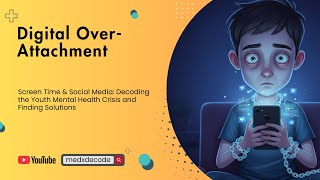
This video explores the links between high digital media use and symptoms of anxiety, depression, and poor sleep among teens. It emphasizes the importance of setting boundaries and promoting a healthy digital balance.
Impact of Excessive Screen Time on Teen Mental and Physical Health
This study, using recent national data, examines how teenagers' self-reported screen time relates to health issues like poor sleep, reduced physical activity, depression, and anxiety, highlighting the importance of…
RT @Wattly_app: New CDC study: Teens spending 4+ hrs/day on non-school screen time report more depression, anxiety, poor sleep, weight conc…
スマートフォンの邪悪な設計 【データストーリーテリング】 https://t.co/XVhaQcNxyY 自分の場合、スマホには依存していない。
RT @Wattly_app: New CDC study: Teens spending 4+ hrs/day on non-school screen time report more depression, anxiety, poor sleep, weight conc…
New CDC study: Teens spending 4+ hrs/day on non-school screen time report more depression, anxiety, poor sleep, weight concerns & less physical activity.
スマホの見過ぎは人生を滅ぼす! 本日はスマホしか見てないおじさんより スマートフォンの邪悪な設計 【データストーリーテリング】 https://t.co/4EyiA0qLQ2 @YouTubeより
@Akashi81905 こんな動画がありまして お気をつけ下さい https://t.co/IEfcEYzOFA
スマートフォンの邪悪な設計 【データストーリーテリング】 https://t.co/4vFkKuDKFX @YouTubeより
https://t.co/qyqqDUZqni この動画で触れられているが、 SNSやYouTubeなどの配色は天才的だ
スマートフォンの邪悪な設計 【データストーリーテリング】 https://t.co/jghY1gzXzd @YouTubeより
スマートフォンの邪悪な設計 【データストーリーテリング】 https://t.co/UcjPFYw8vK @YouTubeより
スマートフォンの邪悪な設計 【データストーリーテリング】 https://t.co/G14Tjszq5f @YouTubeより
スマホねぇ… https://t.co/hgFF39PfaQ
https://t.co/WF2IH4Rqyd
さっき言ってたのは、この動画 https://t.co/Fm0DlMDqSt なんかおすすめに出てきて見ちゃった https://t.co/niLQtI3NIu
スマホはgm https://t.co/vTDtsOUYch
https://t.co/X9dAolAOfg https://t.co/zzRxnxKL8g
スマホに依存してしまう仕組みを端的に教えてくれる動画。 私も無限スクロールの罠に引っかかってます。 https://t.co/9ihV1pkrWz
あんまりみんなスマホ弄ってないんだな。 https://t.co/wo1JisiZTD https://t.co/GDwDFMEn5s
https://t.co/HcXJ4esaju
スマートフォンの邪悪な設計 【データストーリーテリング】 https://t.co/X2Nf6mflgd @YouTubeより
スマートフォンの邪悪な設計 【データストーリーテリング】 https://t.co/zyFxIpyukS @YouTubeより
(。-ω-)zzz https://t.co/rLqYkzsnAK
スマートフォンの邪悪な設計 【データストーリーテリング】 https://t.co/JdgCcq1zm3 @YouTubeより
無限スクロールの方が面倒になってすぐにやめてしまうのだが。 スマートフォンの邪悪な設計 【データストーリーテリング】 https://t.co/HxYJN93WNo
スマホがギャンブルと同じ構造で依存を引き起こす設計になってるってのは面白いな スマートフォンの邪悪な設計 【データストーリーテリング】 https://t.co/75Rq57hCi8 @YouTubeより
@khaled @esnho7 #التوعية_توجع الدراسه الاولى https://t.co/wjTJT4GrBH الثانيه https://t.co/lUnPmhjD2o الثالثه https://t.co/u9N02KvLtg الرابعه https://t.co/a3vxxptGiB الخامسه https://t.co/lrzbX1tpXd السادسه https://t.co/X0r8VstZBL https://t.co/rSRFAH76iv
@LeadingReport https://t.co/oJHQuznchy
Associations Between Screen Time Use and Health Outcomes Among US Teenagers (CDC) https://t.co/UpVezsQVFV https://t.co/0NT3OZ5jV7
【スマホ漬けのティーンは運動不足、寝不足、気分落ち込みやすい】米国ティーン約2万人を対象に、スマホなど非学習時間の利用と健康状態を調査。4時間以上利用すると、運動不足や睡眠問題、抑うつ・不安症状が増える傾向が判明。Prev Chronic Dis誌 https://t.co/0ErCAll1ao