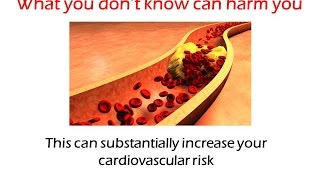
The discussions reflect cautious interest, with posters mentioning the identification of metabolites like TMAO and their links to CVD, but they also highlight the current limitations, such as the study being in mice. The tone suggests curiosity about the biological mechanisms while remaining aware of the need for further research.
AgreementModerate agreement
Most posters acknowledge the research findings and their potential significance, with some questioning the current application to humans since the primary evidence is from mice.
InterestModerate interest
Discussions show moderate curiosity, especially about the metabolites and their implications, but limited enthusiasm or deep engagement is evident.
EngagementNeutral engagement
Comments are brief and mainly confirm understanding or seek clarification, without extensive analysis or debate.
ImpactNeutral impact
The overall view is that the findings are noteworthy but not yet transformative or conclusive regarding human health.
Abstract in brief
Metabolomics research shows potential in identifying pathways associated with cardiovascular disease (CVD), the leading global cause of death.
By analyzing plasma metabolites, three specific compounds—choline, trimethylamine N-oxide (TMAO), and betaine—were found to predict CVD risk in a large clinical study.
The study highlights the connection between dietary phosphatidylcholine, gut bacteria, and atherosclerosis, opening doors for new diagnostic and treatment strategies for heart disease.
@q21407434 @djwilso @StickmanBleedin Three metabolites of the dietary lipid phosphatidylcholine--choline, trimethylamine N-oxide (TMAO) and betaine--were identified and then shown to predict risk for CVD in an independent large clinical cohort. https://t.co/Gxi3R3Ov0O
@fmfclips Gut flora metabolism of phosphatidylcholine promotes cardiovascular disease,
https://t.co/DRI7xBKoiQ
I know it's in mice, but have you read any negative effects?
Discover how to naturally burn visceral fat—the most dangerous kind—using a sustainable plant-based eating style that may include clean meat. Learn how whole foods stabilize blood sugar, enhance metabolism, and promote…
Recent research shows that gut bacteria process dietary phosphatidylcholine into TMAO, linked to increased heart disease risk. Elevated plasma TMAO indicates higher chances of cardiovascular events, and reducing gut…
Exploring how gut bacteria influence weight loss and metabolic health, emphasizing the role of probiotics, prebiotics, and diet. Recent studies demonstrate microbiota's impact on obesity and its potential for health…
Health Journey explores how eggs and gut bacteria may influence cancer risk. Recent research links diet, gut microbiome diversity, and certain bacteria with potential effects on immune response and cancer development.
@fmfclips Gut flora metabolism of phosphatidylcholine promotes cardiovascular disease,
https://t.co/DRI7xBKoiQ
I know it's in mice, but have you read any negative effects?
@q21407434 @djwilso @StickmanBleedin Three metabolites of the dietary lipid phosphatidylcholine--choline, trimethylamine N-oxide (TMAO) and betaine--were identified and then shown to predict risk for CVD in an independent large clinical cohort. https://t.co/Gxi3R3Ov0O