 BS
BSBilly Sperlich
@BillySperlich · X
(06/11) Athletes with pyramidal TID during preparation may (automatically) shift to polarized TID when entering competition period
Jan 11, 2022 · 10 likes · 969 followers
View post →
Mentions
Extended reach
Total likes
Video views
AI synopsis
Discussions highlight that the study shows no clear superiority of polarized over pyramidal training, with comments like 'no difference found' and points about similar Z1 percentages, indicating an interest in optimizing training regimens. The tone remains analytical and somewhat neutral, emphasizing practical implications rather than emotional responses.
Most discussions reflect a neutral to slightly positive stance, emphasizing that the study found no significant difference between the training methods, showing general acceptance of the results.
The conversations focus on practical implications for training strategies, indicating moderate interest from those involved in athletic training or research.
Participants reference specific elements like training percentages and distribution patterns, demonstrating a decent level of detailed engagement.
Overall, the discussions suggest the findings may influence training approaches but are not perceived as a game-changer with widespread significant impact.
(06/11) Athletes with pyramidal TID during preparation may (automatically) shift to polarized TID when entering competition period
Polarized or pyramidal training? This study found no difference (although Z1 was equally high at 93% for both). This may make training prescription easier: mostly low intensity with small amounts at higher intensity (could be Z2 or Z3). https://t.co/Nzqh2K2nxv #210/366
ローイングの競技ですがPolarizedTrainingとピラミッド型トレーニングで低強度の割合が同じだったら違いなかったよという話です。低強度の割合が93%でかなりの割合が低強度の場合は中強度、高強度の割合はあまり関係ないのでは?という感じ。 https://t.co/dzNPbMgg3j
Eleven-Week Preparation Involving Polarized Intensity Distribution Is Not Superior to Pyramidal Distribution in National Elite Rowers. https://t.co/mdBVyrqR80
POL is not superior to a dynamic, real-life PYR distribution when percentage of Z1 is clamped to ~93% https://t.co/Ff54aN4Onv
RT @dwrowland: Polarized or pyramidal training? This study found no difference (although Z1 was equally high at 93% for both). This may…
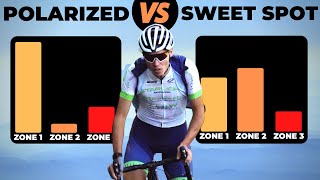

Transitioning from casual cycling to randonneuring can be challenging. This video distills training principles and common pitfalls to help new or returning long-distance cyclists improve fitness and performance…
(06/11) Athletes with pyramidal TID during preparation may (automatically) shift to polarized TID when entering competition period
(06/11) Athletes with pyramidal TID during preparation may (automatically) shift to polarized TID when entering competition period
ローイングの競技ですがPolarizedTrainingとピラミッド型トレーニングで低強度の割合が同じだったら違いなかったよという話です。低強度の割合が93%でかなりの割合が低強度の場合は中強度、高強度の割合はあまり関係ないのでは?という感じ。 https://t.co/dzNPbMgg3j
POL is not superior to a dynamic, real-life PYR distribution when percentage of Z1 is clamped to ~93% https://t.co/Ff54aN4Onv
RT @dwrowland: Polarized or pyramidal training? This study found no difference (although Z1 was equally high at 93% for both). This may…
Polarized or pyramidal training? This study found no difference (although Z1 was equally high at 93% for both). This may make training prescription easier: mostly low intensity with small amounts at higher intensity (could be Z2 or Z3). https://t.co/Nzqh2K2nxv #210/366
Eleven-Week Preparation Involving Polarized Intensity Distribution Is Not Superior to Pyramidal Distribution in National Elite Rowers. https://t.co/mdBVyrqR80
 DR
DR YA
YA C
C FM
FM HM
HM